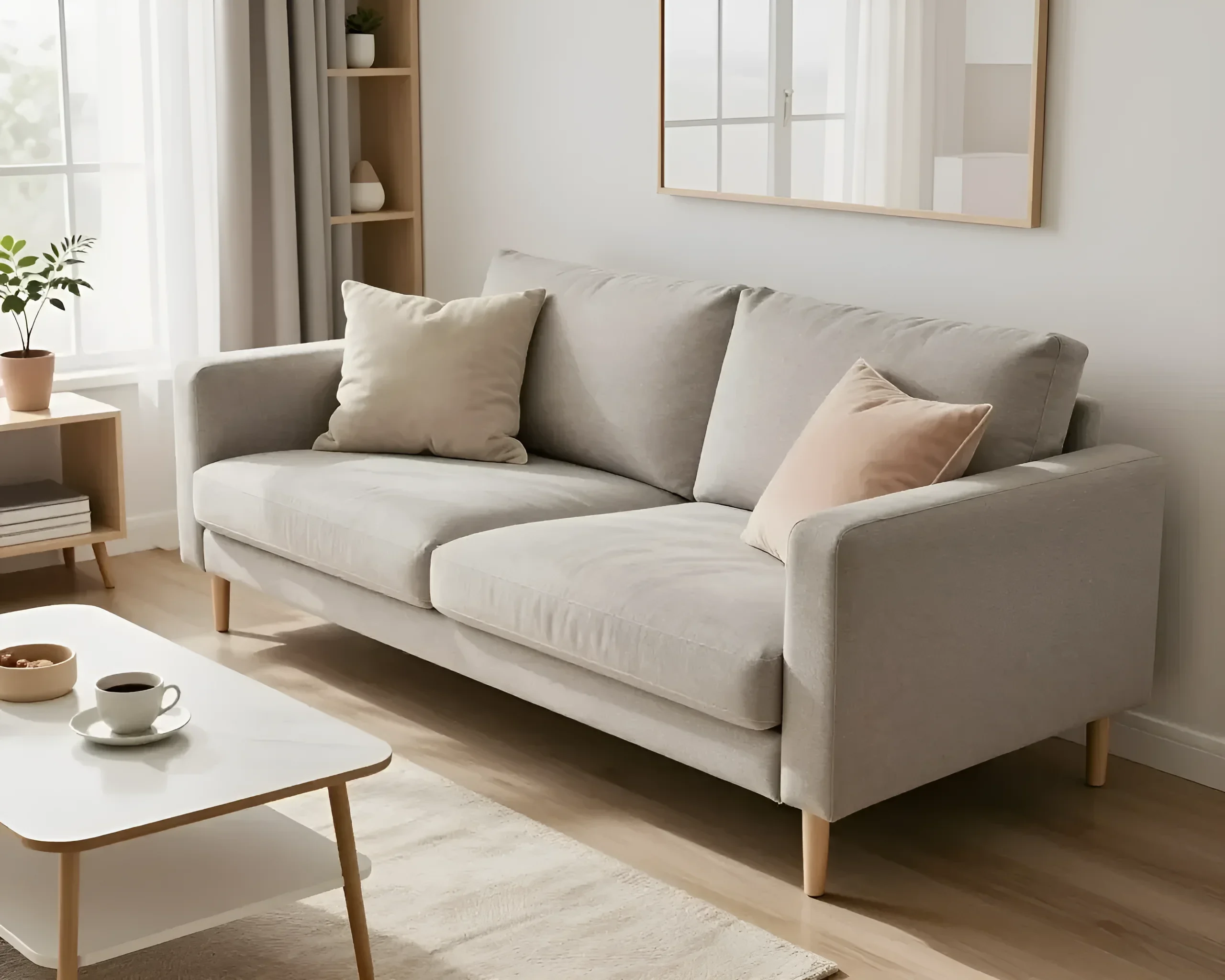
In the limited space of small apartments, every piece of furniture must work to its maximum potential. A sofa bed is not just an interior element, but a real lifesaver for those who value comfort and functionality. It allows you to combine two important zones: the daytime and nighttime areas, saving precious square meters. In this article, we will delve into how to choose the ideal sofa bed, what materials to use, how to properly zone the space, and avoid common purchasing mistakes.
What is a sofa bed and why is it needed in a small apartment
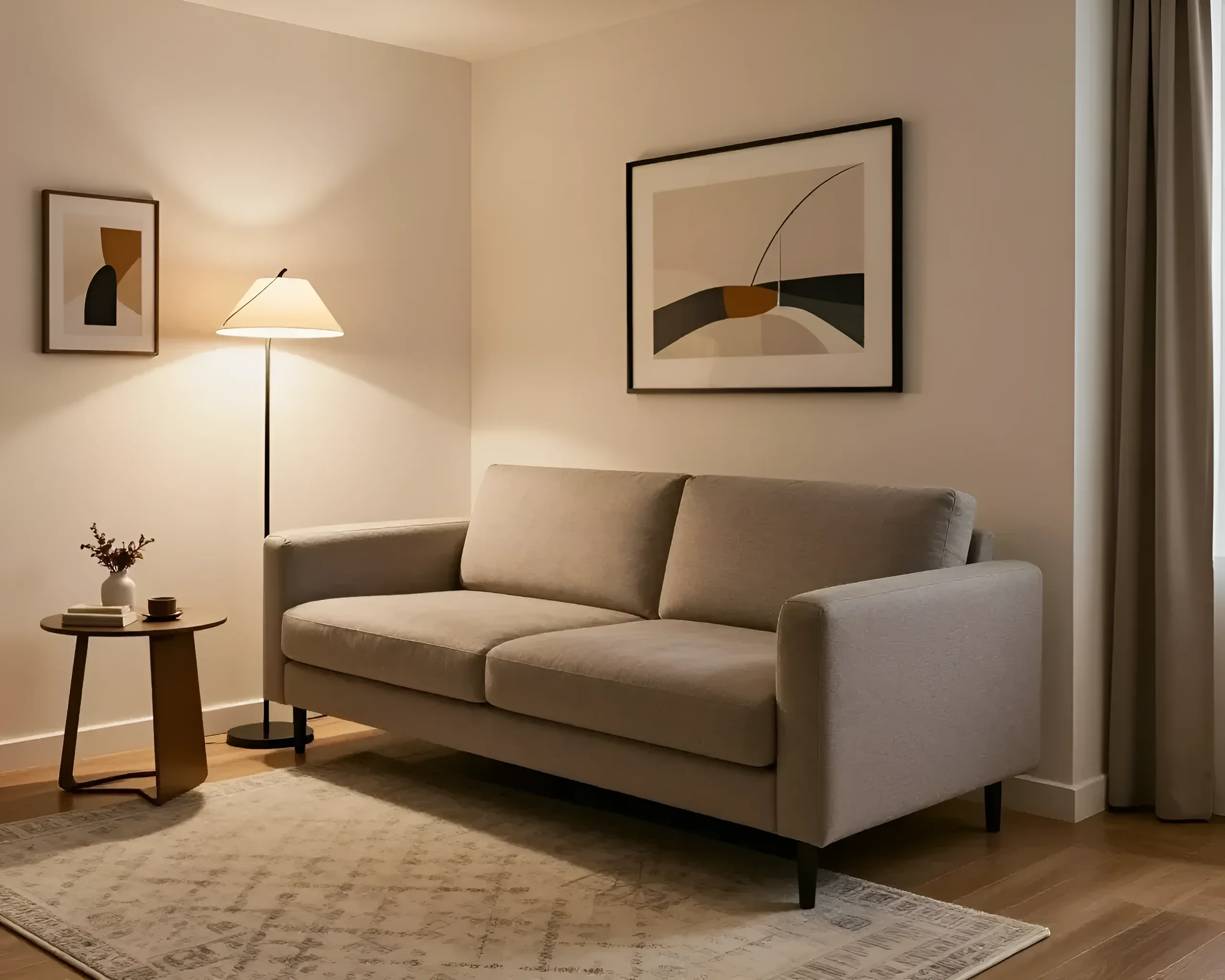
A sofa bed is a multifunctional piece of furniture that serves as a comfortable place to relax during the day and transforms into a full-fledged sleeping space at night. Its main feature is the transformation mechanism, which allows for quick and easy changes to the item’s form. This is especially relevant for small apartments, as it allows for efficient use of space without sacrificing comfort.
Small apartments often lack a separate bedroom, so a sofa bed becomes the primary sleeping place. It helps create a cozy atmosphere in the living room while still providing the ability to accommodate guests or family members. Additionally, many models are equipped with extra features, such as storage drawers for linens or pillows, further enhancing their practicality.
Why is a sofa bed so important for small apartments? Firstly, it saves space. Secondly, it is versatile: suitable for both daily use and temporary accommodation for guests. Thirdly, modern models offer a high level of comfort comparable to regular beds.
Popular styles and models of sofa beds: from classic to minimalist
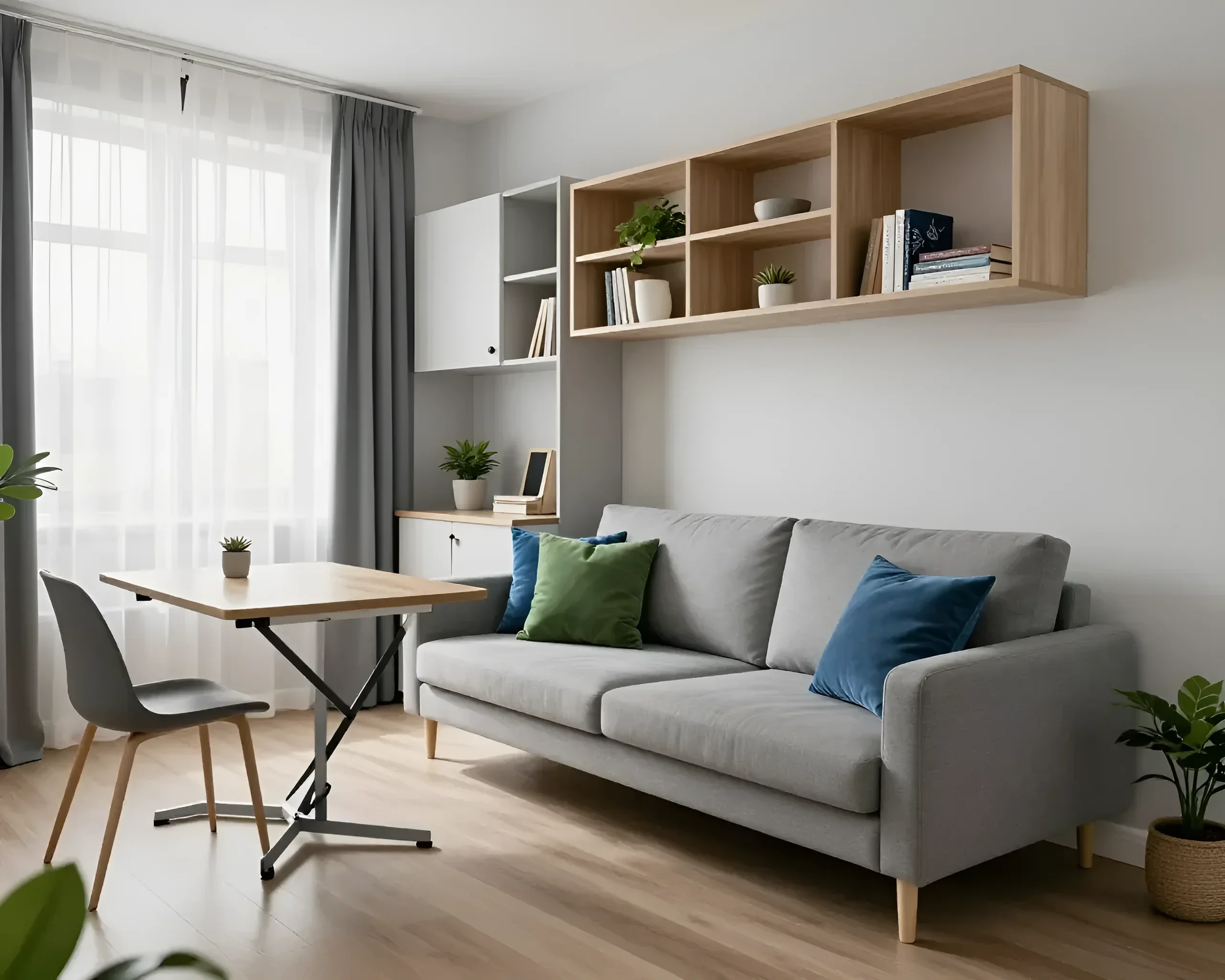
The modern market offers a wide range of sofa beds that differ not only in their transformation mechanisms but also in their stylistic solutions. Let’s consider the most popular options:
- Classic style: Characterized by smooth lines, rich upholstery, and decorative elements. Such models are ideal for interiors in Baroque or Empire styles. Examples: sofas with wood carving, gilded legs, and velvet upholstery.
- Minimalism: Simple forms, absence of unnecessary details, strict lines. Ideal for modern interiors. Examples: sofas with straight angles, solid color upholstery, and metal legs.
- Scandinavian style: Lightness, natural materials, light colors. Fits perfectly into small spaces. Examples: sofas with wooden elements, linen or cotton upholstery.
- Loft: Rough textures, metal details, dark colors. Suitable for industrial interiors. Examples: sofas with leather upholstery, steel legs, and brick walls in the background.
Each model has its advantages and disadvantages. For example, classic sofa beds look luxurious but can take up more space. Minimalist models are compact but sometimes look too simple. The choice depends on your preferences and interior style.
Upholstery materials and fillings: how to choose a comfortable and durable option
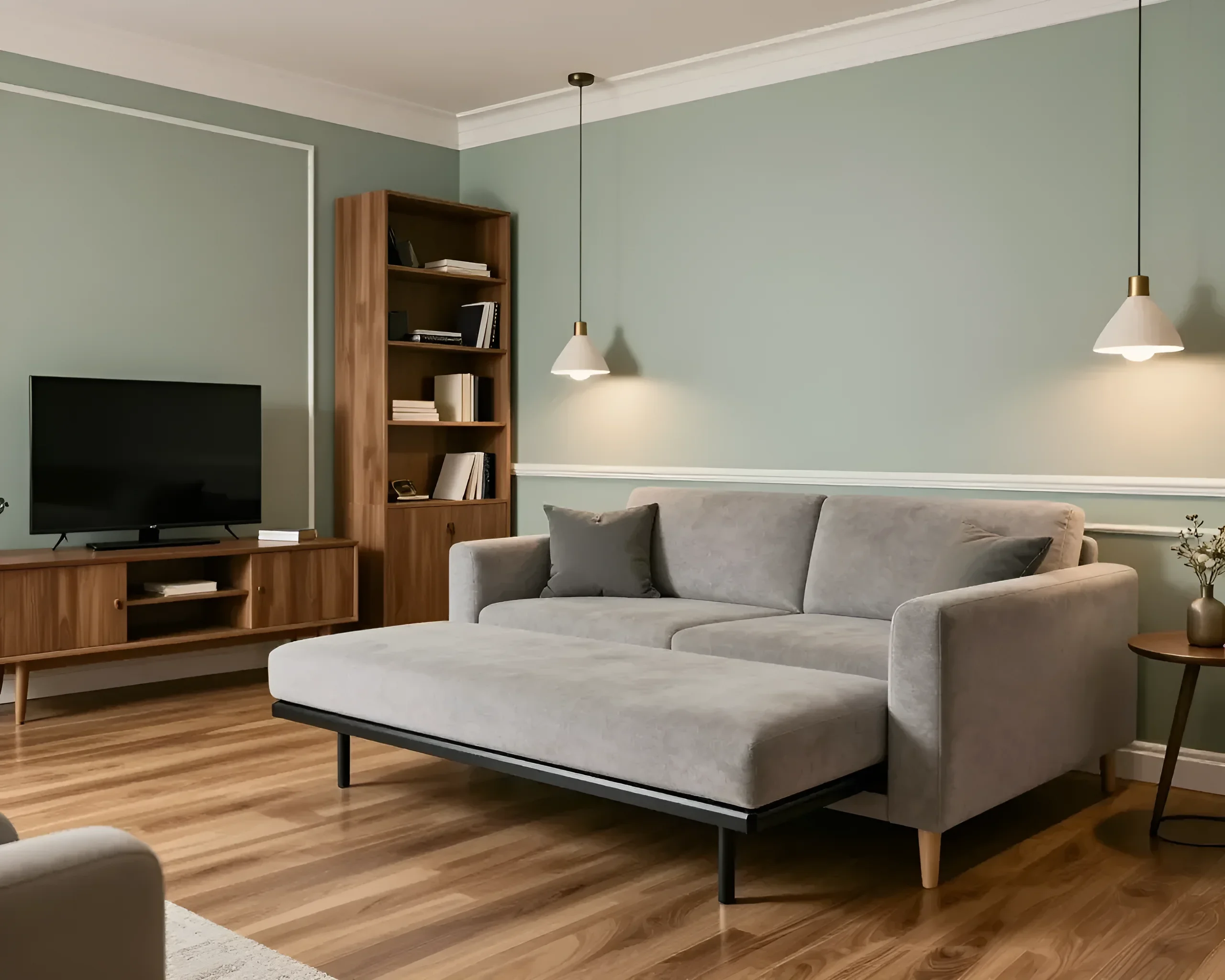
The choice of upholstery materials and fillings directly affects the comfort and durability of the sofa bed. Let’s consider the main options:
- Fabric upholstery: Cotton, linen, velour, jacquard. Advantages: softness, variety of colors and textures. Disadvantages: prone to staining, requires regular cleaning.
- Leather and eco-leather: Advantages: durability, ease of care, aesthetic appearance. Disadvantages: high cost, possible allergies to natural leather.
- Synthetic materials: Advantages: affordable price, wear resistance. Disadvantages: less pleasant to the touch, may release chemical substances.
Fillings also play an important role. The most popular options:
- Foam rubber: Affordable, but quickly loses its shape.
- Spring units: Provide good back support but require quality craftsmanship.
- Latex: High level of comfort, durability, but high cost.
When choosing, pay attention to the thickness and density of the filling. For daily use, it is recommended to choose models with spring units or latex.
Layout and zoning with a sofa bed: ideas for small rooms
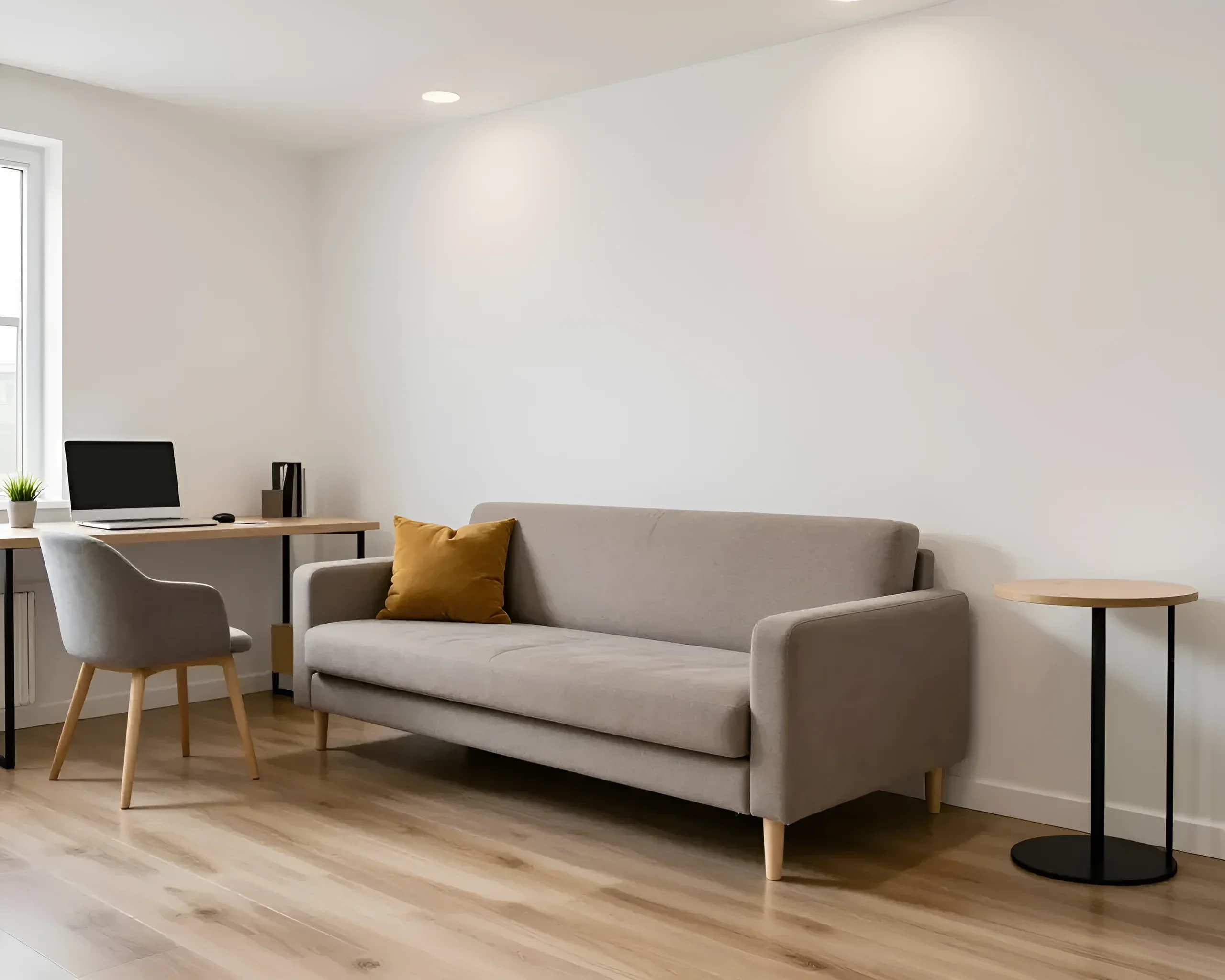
Proper layout and zoning of space with a sofa bed can significantly improve the functionality of a small apartment. Here are a few ideas:
- Separating living room and bedroom: A sofa bed can be used as a boundary between two zones. For example, place it against a wall to create a visual separation.
- Using corner models: Corner sofa beds allow for maximum efficient use of space in room corners.
- Modular systems: Modular sofa beds allow for changing configurations based on needs. For example, you can add extra sections to increase the sleeping area.
- Combining with other elements: Combine the sofa bed with nightstands, shelves, or shelving units to create a unified storage system.
It is important to consider the room’s dimensions and window placement. For example, if the room is narrow, it’s better to choose a straight sofa bed rather than a corner one. If the room is square, a corner model would be more appropriate.
Practical tips for choosing and using a sofa bed
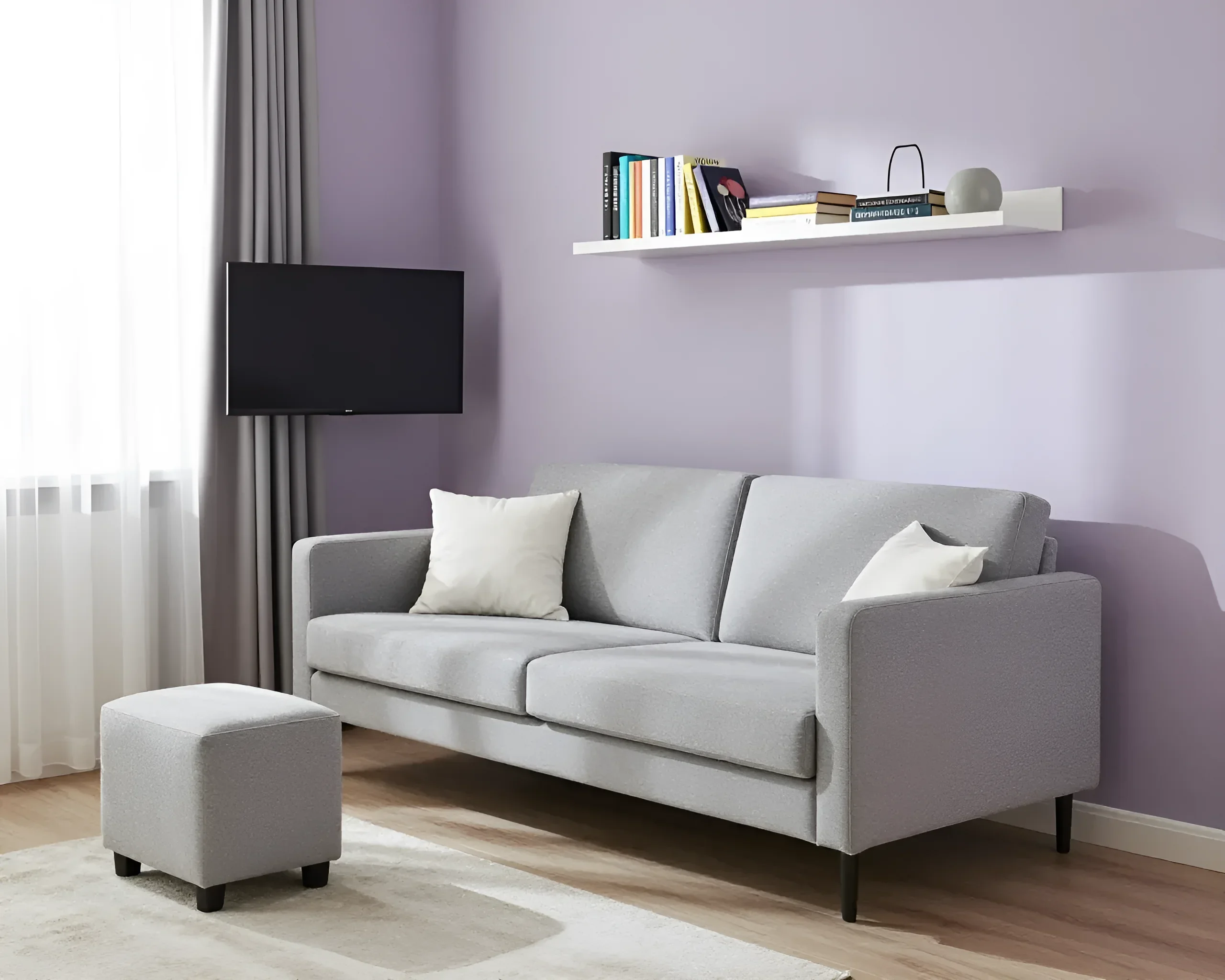
Choosing a sofa bed is a responsible process that requires considering many factors. Here are a few practical tips:
- Measure the space: Before purchasing, be sure to measure the room dimensions and ensure the sofa bed will fit.
- Check the transformation mechanism: Make sure the mechanism operates smoothly and without sticking. It’s best to test it in the store.
- Assess the quality of materials: Pay attention to the durability of the upholstery and fillings. A good sofa bed should last at least 5–7 years.
- Consider the interior style: The sofa bed should harmoniously fit into the overall room style.
- Check for additional features: Storage drawers, adjustable backrests, and other options can significantly enhance usability.
Using a sofa bed also requires attention. Regularly clean the upholstery, check the transformation mechanism, and avoid overloading the sleeping area.
Common mistakes when buying and using sofa beds
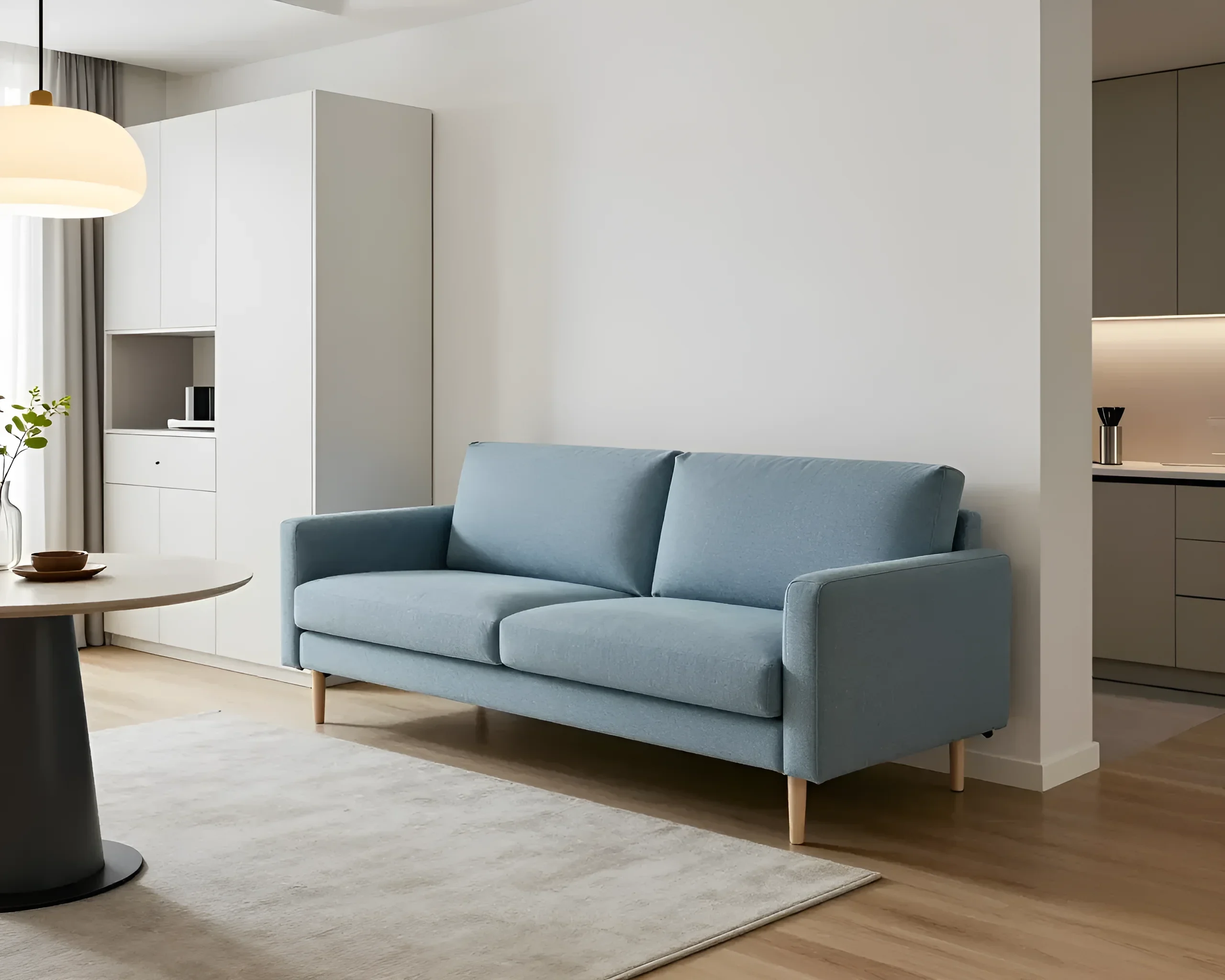
When choosing and using sofa beds, mistakes are often made that can reduce the comfort and durability of the product. Here are the most common ones:
- Incorrect size selection: A sofa bed that is too large can take up all the space, while one that is too small may not provide comfort.
- Ignoring the transformation mechanism: A poorly functioning mechanism can lead to breakage and discomfort.
- Poor quality materials: Cheap materials wear out quickly and lose their shape.
- Failure to consider interior style: A sofa bed that does not match the room’s style can spoil the overall look.
- Improper use: Overloading the sleeping area, lack of regular cleaning and maintenance can shorten the product’s lifespan.
Avoid these mistakes, and your sofa bed will last a long time and provide maximum comfort.
Real examples of interiors with sofa beds: photos and solutions
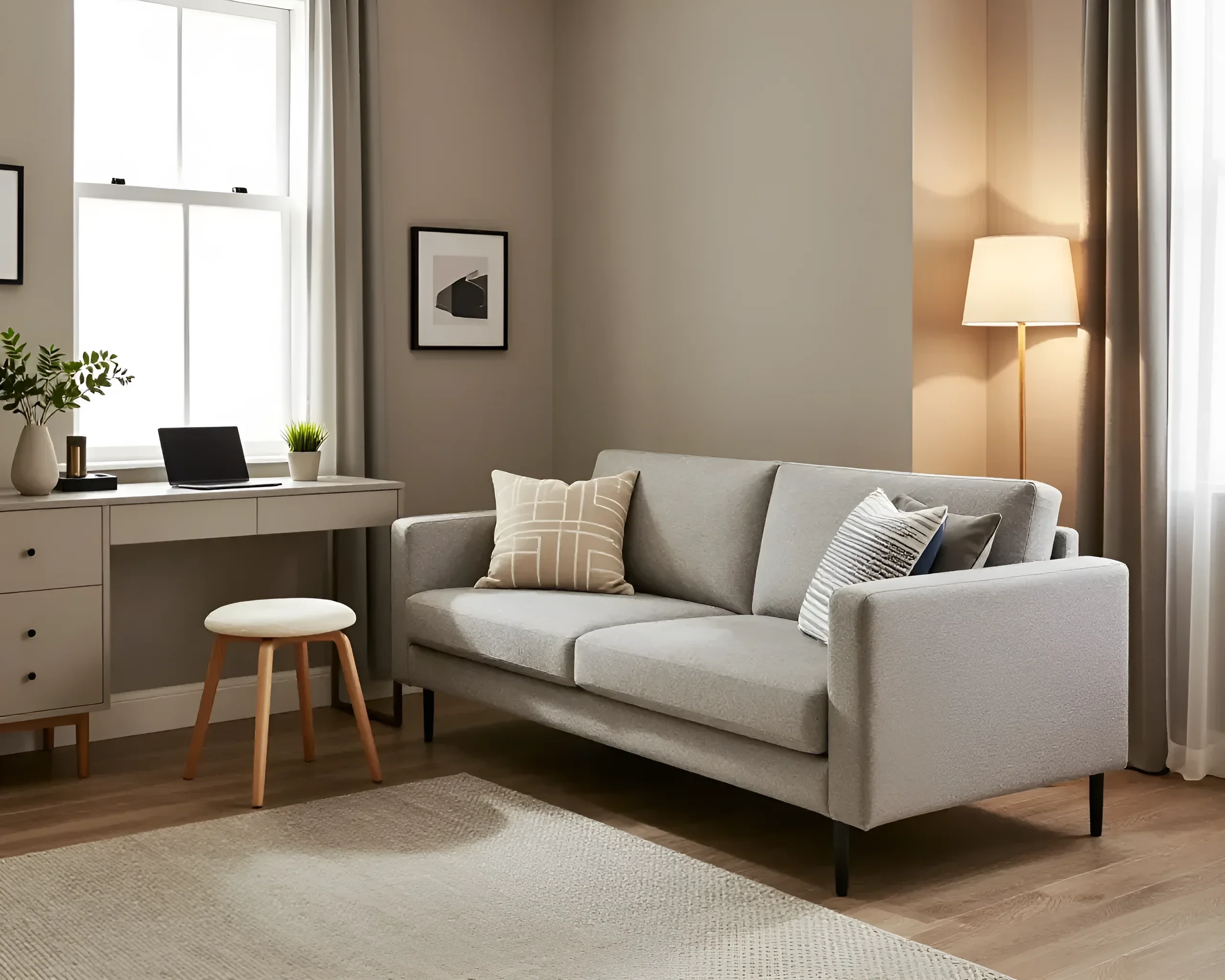
Let’s look at a few real examples of using sofa beds in small apartments:
- Minimalist style living room-bedroom: A straight sofa bed with white upholstery and metal legs. Placed against the wall, next to a small table and lamp. Creates a sense of spaciousness and lightness.
- Scandinavian style corner living room: A corner sofa bed with wooden elements and linen upholstery. Placed in the corner of the room, next to a bookshelf and a plant. Creates a cozy atmosphere.
- Loft style guest room: A sofa bed with leather upholstery and steel legs. Placed against a brick wall, next to an industrial lamp and a metal table. Creates an industrial style.
These examples show how a sofa bed can become a central element of the interior while maintaining functionality and comfort.
FAQ and interesting facts about sofa beds for small spaces
Answers to frequently asked questions and interesting facts:
- Question: Which transformation mechanism is best to choose?
Answer: The best mechanism depends on your preferences. The “book” mechanism is simple and reliable, while the “eurobook” mechanism provides a more comfortable sleeping surface. - Question: Can a sofa bed be used as a primary sleeping place?
Answer: Yes, if you choose a model with a quality filling and transformation mechanism. - Interesting fact: The first sofa beds appeared in Japan in the 19th century and were called “futon”.
- Interesting fact: Modern sofa beds can be equipped with heating and massage systems.
A sofa bed is not just furniture, but a solution for those who value comfort and functionality. The right choice and use of this piece of furniture can significantly improve the quality of life in a small apartment.
Рекомендуем:
 The Perfect Lounge Chair: From Classic to High-Tech – A Complete Guide
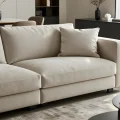 How to Choose Sofa Upholstery: Durability and Beauty – A Complete Guide
 Zoning a One-Room Apartment for a Family: Practical Solutions and Ergonomics
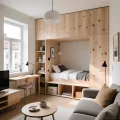 Zoning a Small Apartment: 50+ Expert Ideas for Studios and One-Bedroom Units
 The Ideal Mattress in Ukraine: Choosing with mebeltops for Healthy Sleep
 Wallpapering Corners: Master Secrets
 Photo Gallery: Best Examples of Scandi-Style Upholstered Furniture Design — Practical Solutions for Your Home
 Bedroom and Workspace Zoning: Comfort, Ergonomics, and Productivity
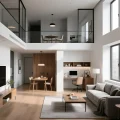 Interior Layout and Zoning: An Expert Guide to Creating Functional Space
 Wall Cladding with Wood Paneling: A Step-by-Step Guide
 Classic and Traditional Interior Styles: A Complete Guide
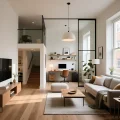 Ideal Studio Layout: How to Divide Zones Without Walls and Save Space
 20 Non-Obvious Ideas for a Classic Living Room Interior: From Baroque to Neoclassicism
 Budget Zoning: How to Create Comfort in a Rented Apartment Without Renovation
 Interior Design and Pets: How to Combine Aesthetics and Pet Comfort
 Classic Bedroom Design: Photo Gallery of the Best Examples and Practical Tips
 Internal Wall Insulation: Materials and Technology
 Modular Sofas: Transform Your Space to Your Liking
 How to Make a Brick Wall in an Interior (Imitation)
 Classic Kitchen: From Layout to Decor – A Practical Guide
