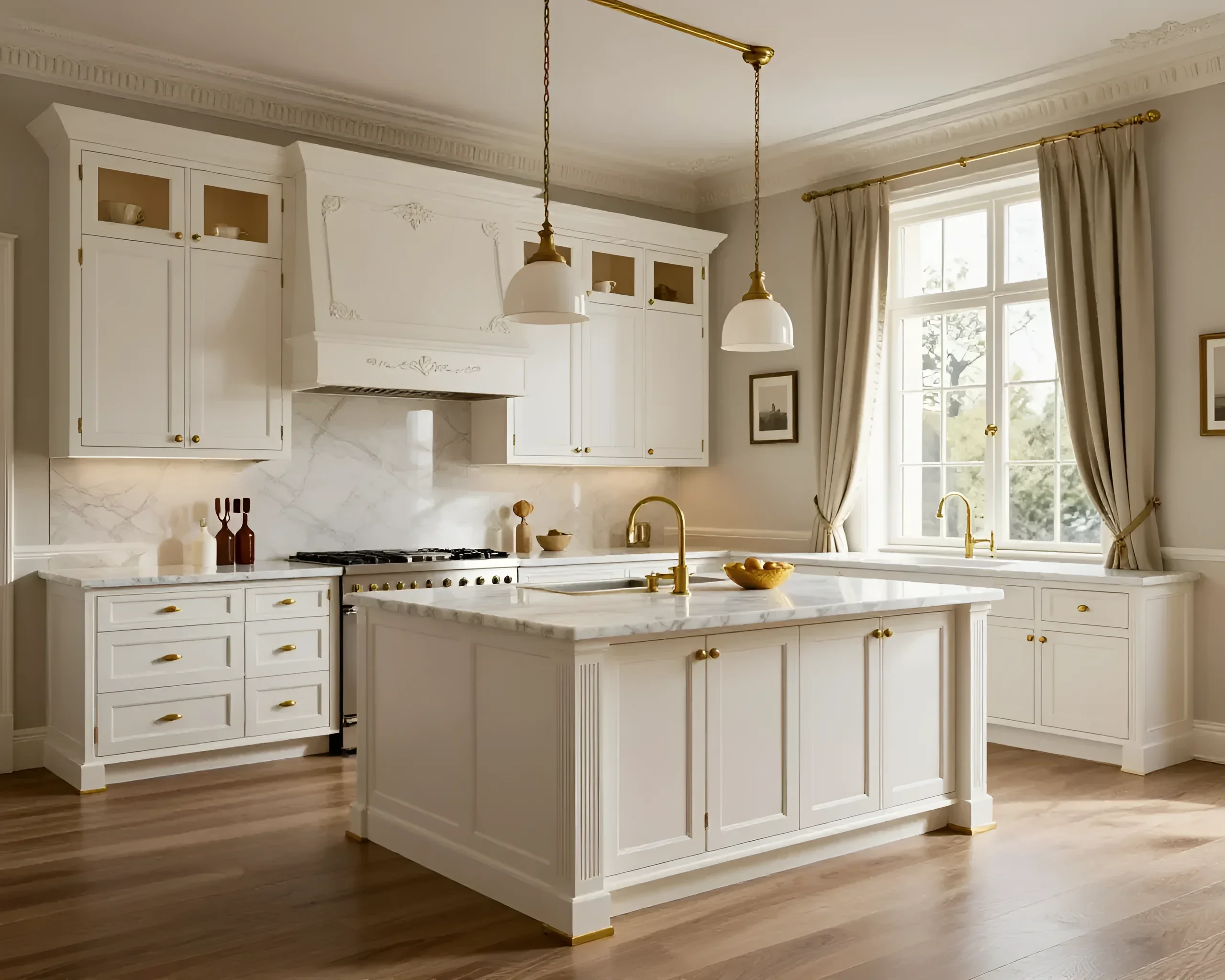
The classic style in kitchen design is not just a trend, but an eternal value that never loses its relevance. This style combines elegance, functionality, and luxury, creating a space where every detail matters. In this article, we will explore how to design a classic-style kitchen, from layout to decor, taking into account all the nuances and practical advice.
What is the Classic Style in Kitchen Design and Why is it Relevant Today
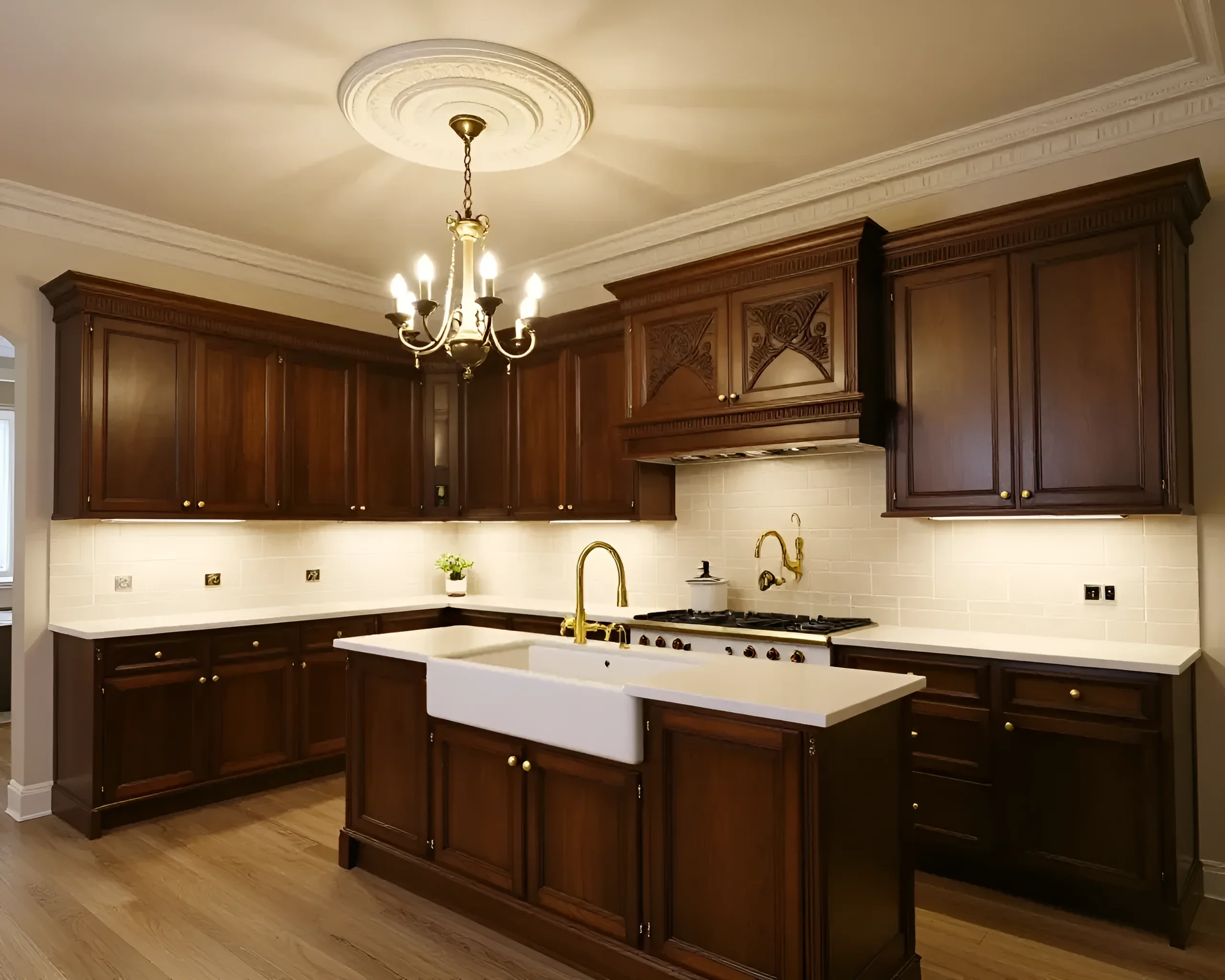
The classic style in kitchen design is a combination of traditional elements and modern technologies. It is characterized by the use of natural materials such as wood, stone, and marble, as well as a rich color palette and decorative elements. This style is relevant today because it creates a sense of coziness and luxury, which is especially important in today’s world where people strive for comfort and quality of life.
The classic style also allows for the creation of a unique space that reflects the owner’s individuality. It is suitable for those who value tradition and want to create a kitchen that will serve for many years. Moreover, the classic style is easily adaptable to modern requirements, making it a versatile solution for any kitchen.
Key Features and Variations of the Classic Style: From Strict to Soft Classic
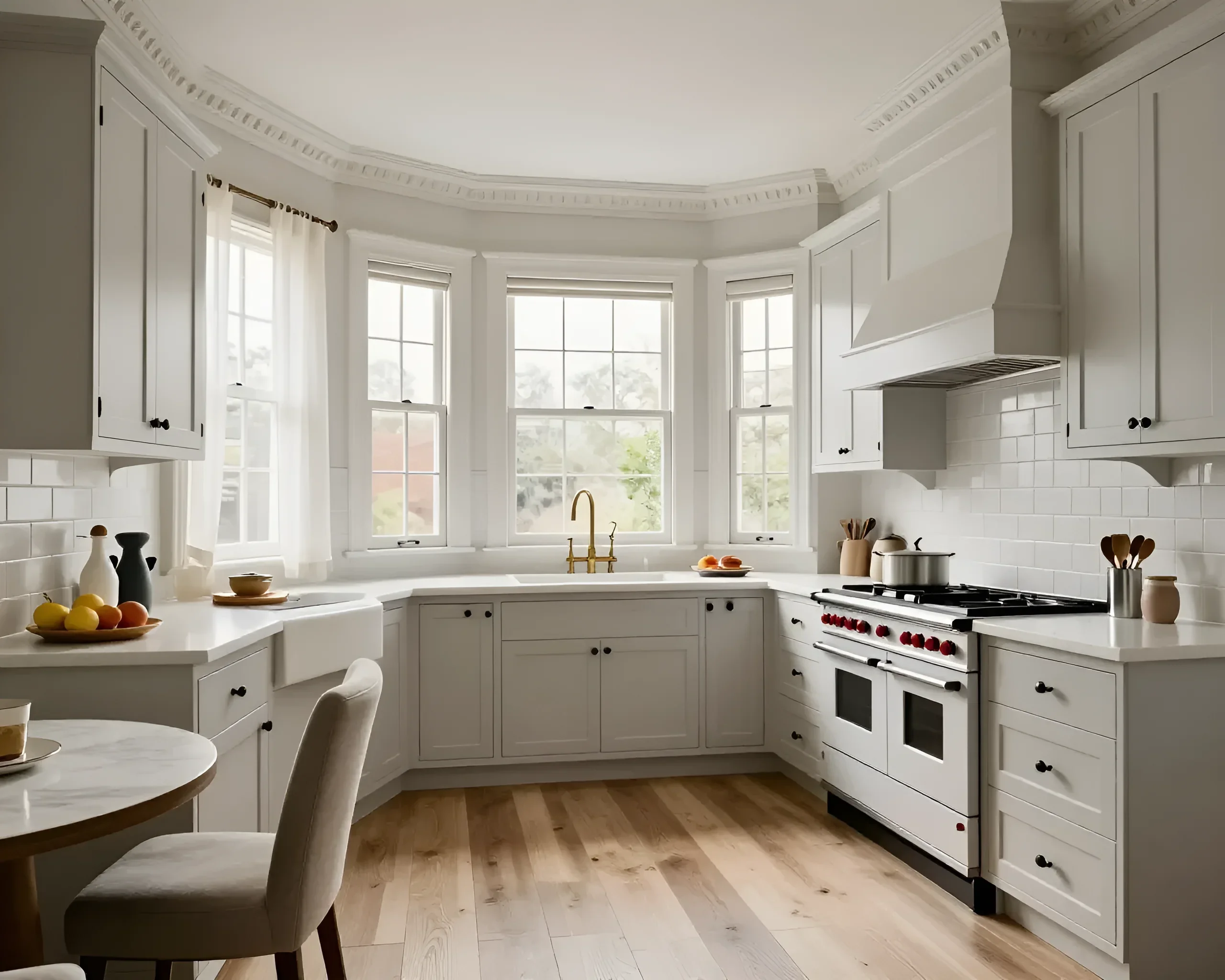
The classic style in kitchen design has several variations, each with its own characteristics. Strict classic is characterized by the use of dark tones such as black, brown, and gray, as well as minimalist decor. This option is suitable for those who prefer rigor and elegance.
Soft classic, in turn, uses lighter tones such as white, beige, and gold, as well as rich decor, including stucco molding, carving, and other elements. This option is suitable for those who want to create a cozy and warm space.
Another option is modern classic, which combines elements of classic style with modern technologies and materials. This option is suitable for those who want to create a kitchen that looks modern yet retains classic elegance.
Materials and Color Schemes for Creating an Authentic Classic Kitchen
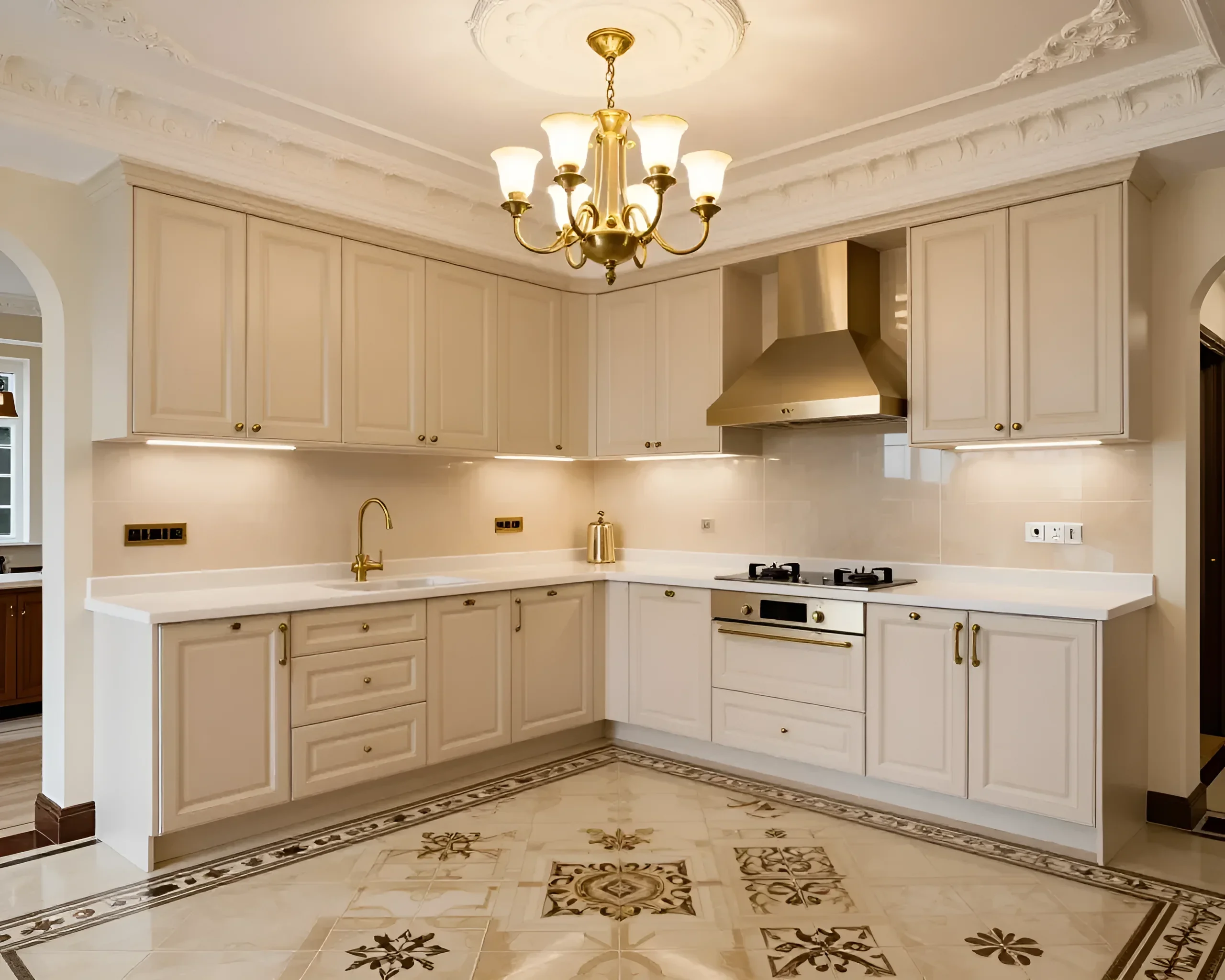
To create an authentic classic kitchen, it is important to choose the right materials and color schemes. Natural materials such as wood, stone, and marble are the foundation of the classic style. They not only look luxurious but are also durable, making them an ideal choice for a kitchen.
Color schemes also play an important role. Dark tones, such as black, brown, and gray, create a sense of rigor and elegance. Light tones, such as white, beige, and gold, create a cozy and warm space. Combining these tones allows for the creation of a unique space that reflects the owner’s individuality.
In addition, lighting is important. The classic style requires good lighting to highlight all the details and create an atmosphere of luxury. Use chandeliers, sconces, and other light sources to create the desired ambiance.
Kitchen Layout and Zoning in the Classic Style: How to Organize Space
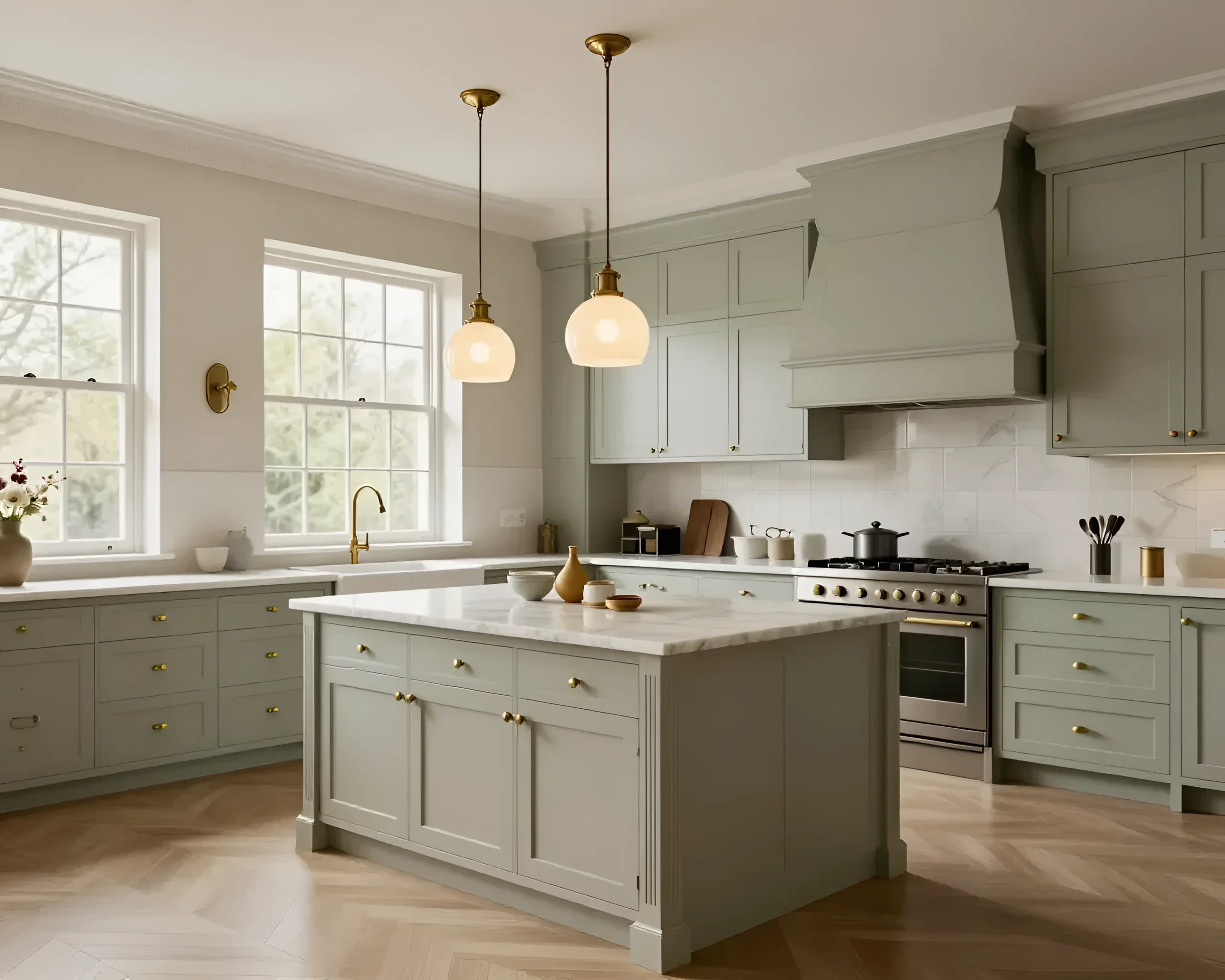
Kitchen layout and zoning in the classic style is an important stage in creating an interior. The classic style requires spaciousness so that all elements can be correctly positioned and function. Therefore, it is important to organize the space correctly to create a comfortable and functional kitchen.
One way to zone is by using an island. An island not only adds functionality but also creates a central element that unites all areas of the kitchen. Additionally, an island can be used as a food preparation area, a dining table, and a storage space.
Another way to zone is by using different materials and colors for different areas. For example, the work area can be designed in dark tones, and the dining area in light tones. This will help create a clear separation between zones and make the kitchen more functional.
Practical Tips for Choosing Furniture, Appliances, and Lighting for a Classic Kitchen
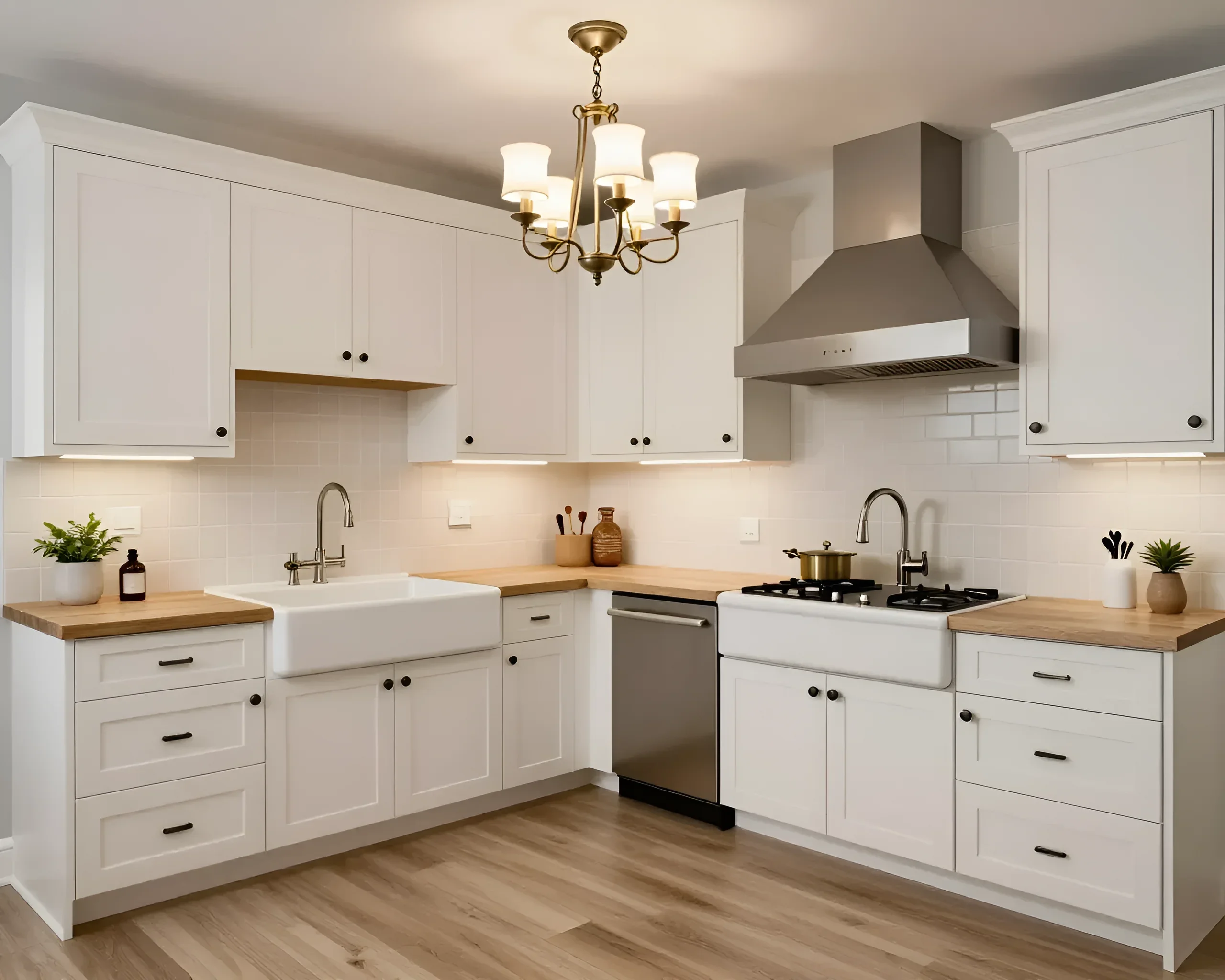
Choosing furniture, appliances, and lighting for a classic kitchen is an important stage in creating the interior. Furniture should be made of natural materials such as wood and stone, and have a classic design. Appliances should be integrated into the furniture so as not to disrupt the overall style of the kitchen.
Lighting also plays an important role. Use chandeliers, sconces, and other light sources to create the desired ambiance. In addition, it is important to consider lighting for the work area to ensure comfort while cooking.
Furthermore, functionality is important. Furniture should be comfortable and functional to ensure comfort during use. Appliances should be modern and efficient to ensure comfort while cooking.
Common Mistakes When Designing a Classic Kitchen and How to Avoid Them
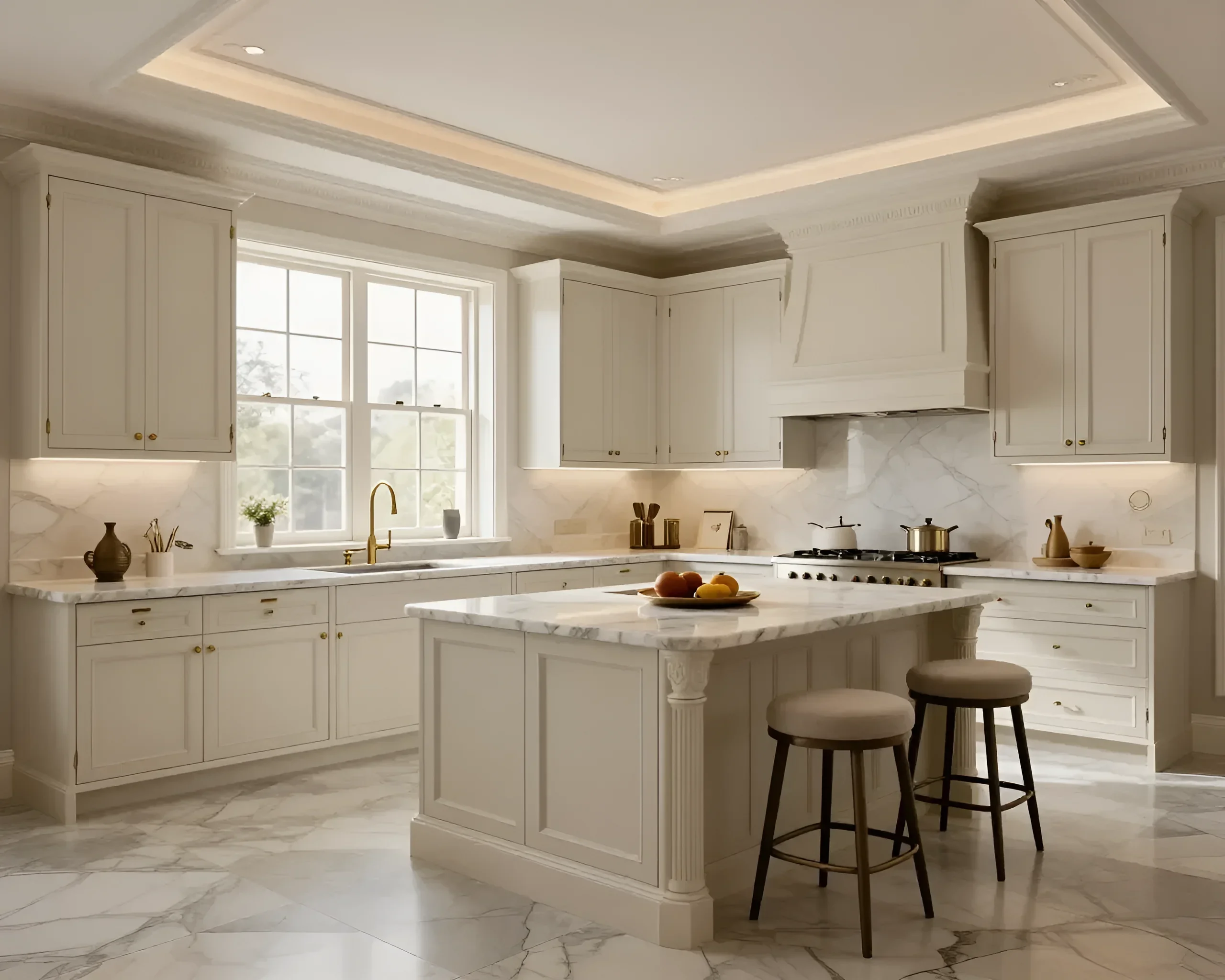
When designing a classic kitchen, it is important to avoid certain mistakes that can spoil the overall look. One of the most common mistakes is using too many decorative elements. This can make the kitchen feel cluttered and uncomfortable.
Another mistake is the incorrect use of materials. For example, using artificial materials instead of natural ones can make the kitchen less authentic. Additionally, it is important to choose the right color schemes to create the desired atmosphere.
To avoid these mistakes, it is important to follow professional recommendations and use quality materials. Furthermore, it is important to consider functionality and comfort when creating the interior.
Examples of Successful Solutions: Real Classic Kitchen Projects
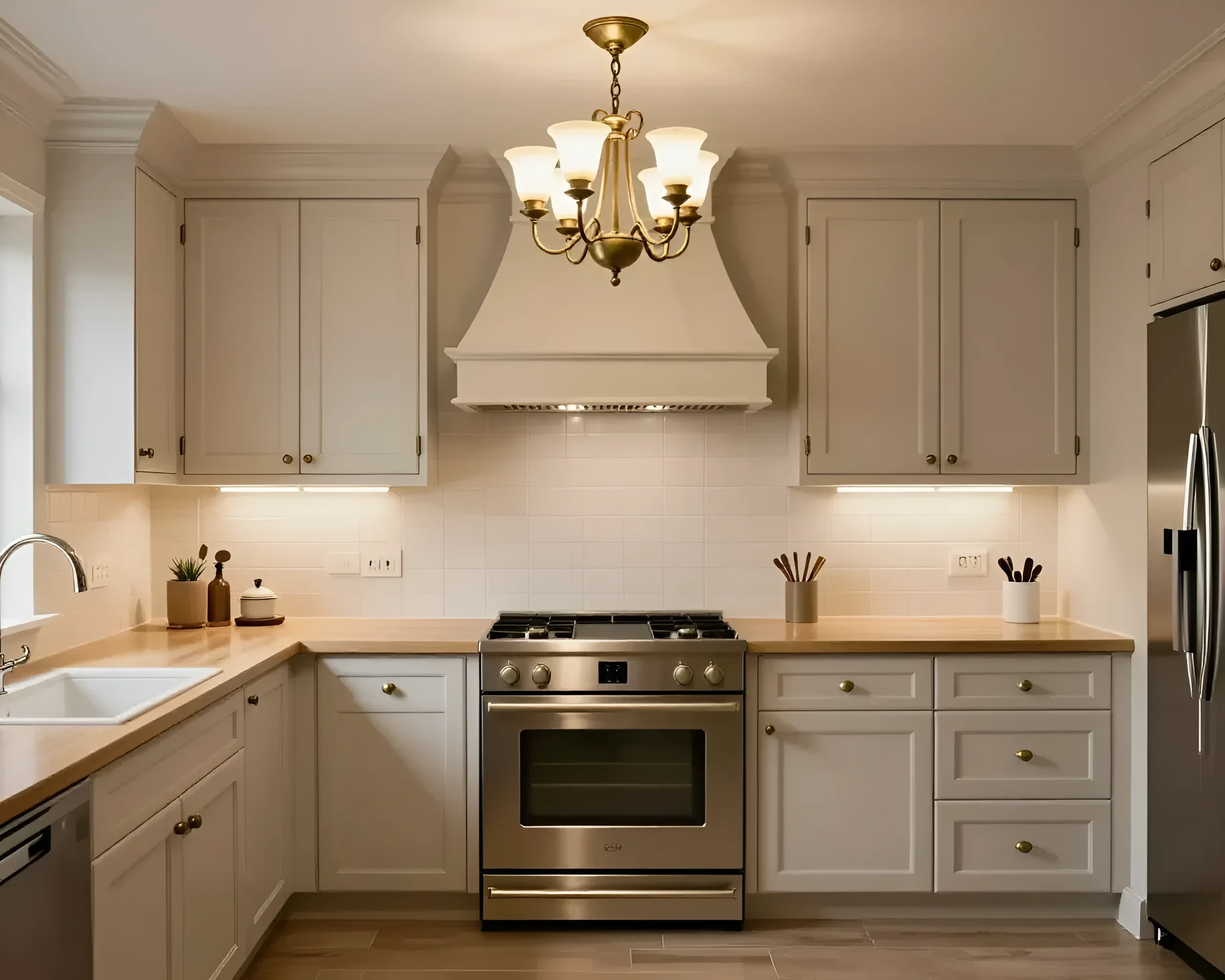
To better understand how to design a classic kitchen, let’s look at a few real projects. The first project is a strictly classic kitchen, using dark tones and minimalist decor. This project demonstrates how to create a rigorous and elegant space.
The second project is a soft classic kitchen, using light tones and rich decor. This project demonstrates how to create a cozy and warm space.
The third project is a modern classic kitchen, combining elements of classic style with modern technologies. This project demonstrates how to create a kitchen that looks modern yet retains classic elegance.
The classic style in kitchen design is a combination of elegance, functionality, and luxury. To maintain harmony and functionality in a classic kitchen, it is important to choose the right materials, color schemes, and layout. Furthermore, it is important to consider functionality and comfort when creating the interior.
The classic style allows for the creation of a unique space that reflects the owner’s individuality. It is suitable for those who value tradition and want to create a kitchen that will serve for many years. Moreover, the classic style is easily adaptable to modern requirements, making it a versatile solution for any kitchen.
FAQ: Answers to Frequently Asked Questions
- What materials are best suited for a classic kitchen? Natural materials such as wood, stone, and marble are the foundation of the classic style.
- What color schemes are best suited for a classic kitchen? Dark tones, such as black, brown, and gray, create a sense of rigor and elegance. Light tones, such as white, beige, and gold, create a cozy and warm space.
- How to properly zone a classic-style kitchen? Use an island to create a central element and different materials and colors for different zones.
- What are the most common mistakes made when designing a classic kitchen? Using too many decorative elements and incorrect use of materials.
- How to maintain harmony and functionality in a classic kitchen? Choose the right materials, color schemes, and layout, considering functionality and comfort.
Рекомендуем:
 The Perfect Lounge Chair: From Classic to High-Tech – A Complete Guide
 20 Non-Obvious Ideas for a Classic Living Room Interior: From Baroque to Neoclassicism
 Classic and Traditional Interior Styles: A Complete Guide
 Classic Bedroom Design: Photo Gallery of the Best Examples and Practical Tips
 Washable wallpaper for the kitchen: why it’s the best idea for your renovation?
 Art Deco Colors: Black, Gold, Emerald, Burgundy – Luxury and Practical Tips for Your Interior
 Фотогалерея: лучшие примеры дизайна мягкой мебели в стиле Сканди — практичные решения для вашего дом
 How to Make a Brick Wall in an Interior (Imitation)
 Empire Style Bathroom: Luxury and Grandeur in Details
 Minimalism in Interior Design: The Secret to Style, Ergonomics, and the Line Between Emptiness
 Bedroom and Workspace Zoning: Comfort, Ergonomics, and Productivity
 Bark Beetle Decorative Plaster: Application Technology
 Functional Zoning of a Kitchen-Living Room: A Practical Guide from an Architect
 Wall Cladding with Wood Paneling: A Step-by-Step Guide
 Zoning a Small Apartment: 50+ Expert Ideas for Studios and One-Bedroom Units
 generatepress
 Zoning a One-Room Apartment for a Family: Practical Solutions and Ergonomics
 Budget Zoning: How to Create Comfort in a Rented Apartment Without Renovation
Photo Gallery: Best Examples of Scandi-Style Upholstered Furniture Design — Practical Solutions for Your Home
 How to Update Old Tiles Without Removing Them: 99 Ways to Transform Your Bathroom and Kitchen
