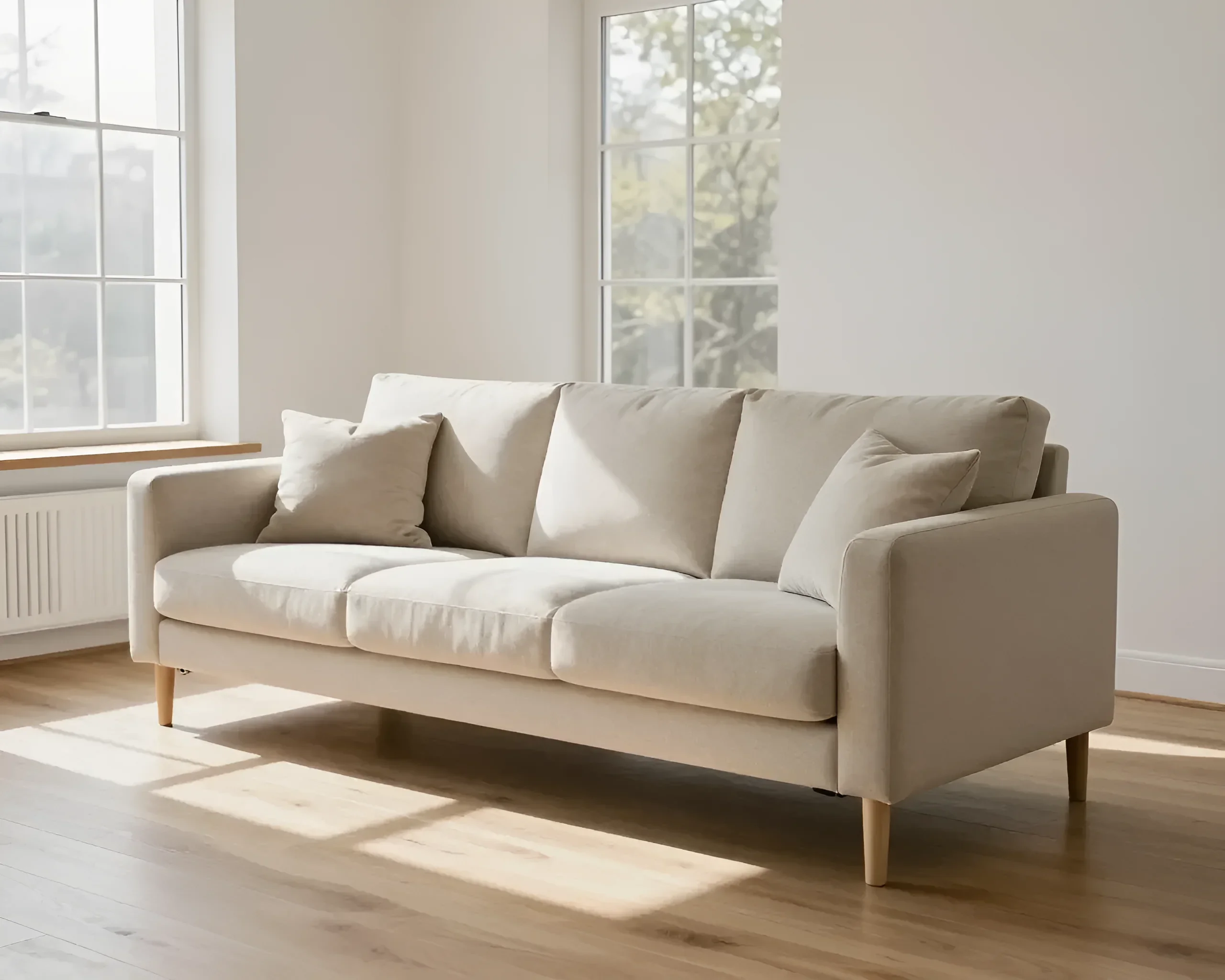
Scandinavian style in interior design is not just a trend, but a philosophy of life where every element has its function and aesthetic value. Upholstered furniture in this style is a key accent that creates an atmosphere of coziness, spaciousness, and harmony. In this article, we will explore what makes Scandi furniture unique, how to choose the right materials and colors, and showcase the best examples from our photo gallery. You will learn how to avoid common mistakes and create an interior that will delight you for years to come.
What is Scandinavian Style in Upholstered Furniture Design and Why is it Popular
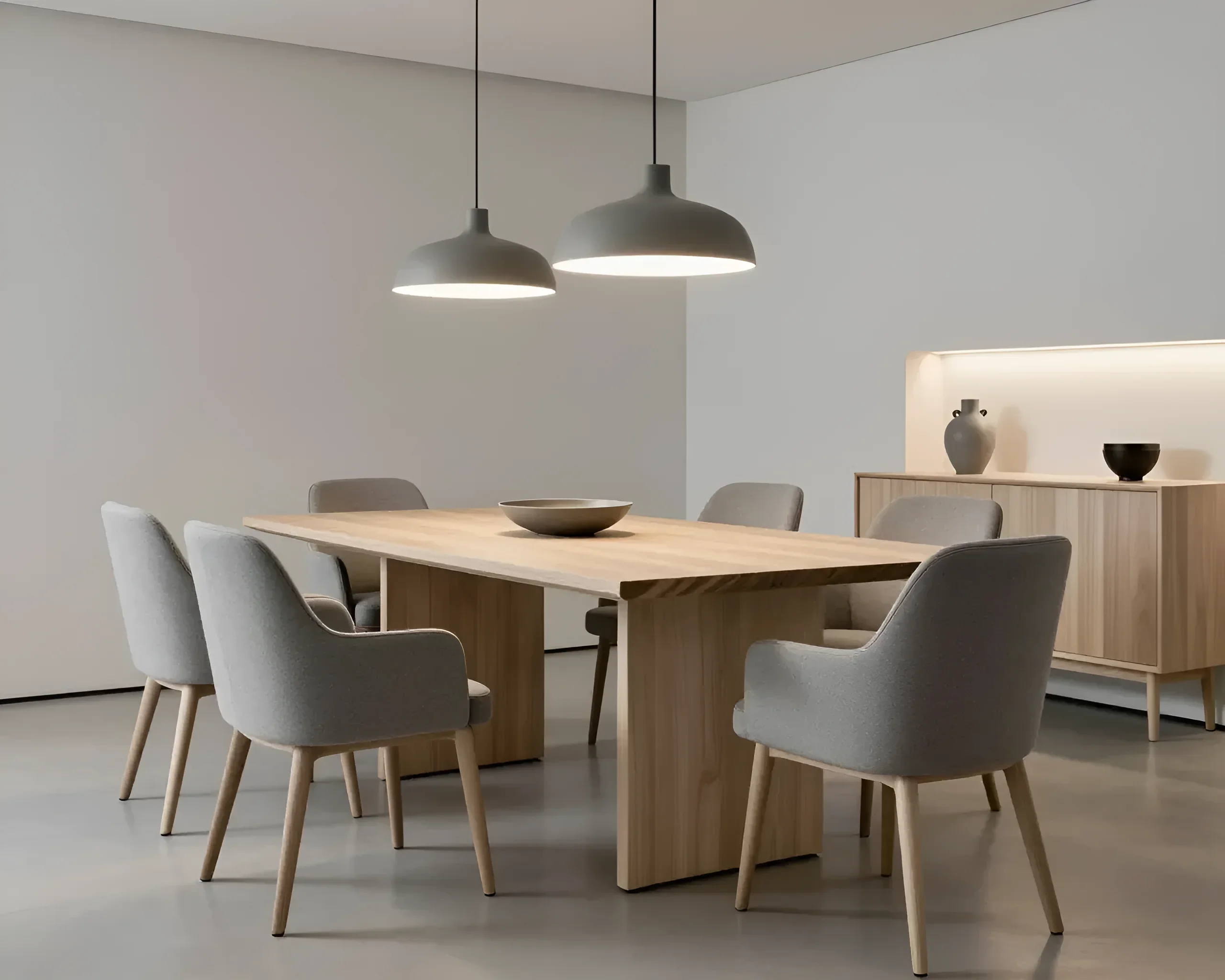
Scandinavian style originated in the Nordic countries — Sweden, Norway, Denmark, Finland, and Iceland. Its foundation is functionality, minimalism, and connection with nature. Upholstered furniture in this style is characterized by simple lines, lack of excess, and an emphasis on comfort. The popularity of Scandi furniture is due to its versatility: it suits both small apartments and spacious houses, easily combines with other styles, and requires no complex maintenance.
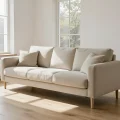
Unlike classical or baroque styles, where furniture is often overloaded with decor, Scandinavian furniture focuses on form and material. For example, a Scandi-style sofa might have straight lines, low armrests, and upholstery made from natural fabrics. This makes it an ideal choice for modern interiors where ergonomics and practicality are important.
Why is Scandi furniture so popular today? Firstly, it aligns with the principles of sustainable development: many manufacturers use recycled materials and eco-friendly technologies. Secondly, it is easy to adapt to any needs: modular sofas, transforming armchairs, and multifunctional ottomans allow you to change the configuration of space without major renovations.
Key Stylistic Directions of Upholstered Furniture in Scandi Interiors
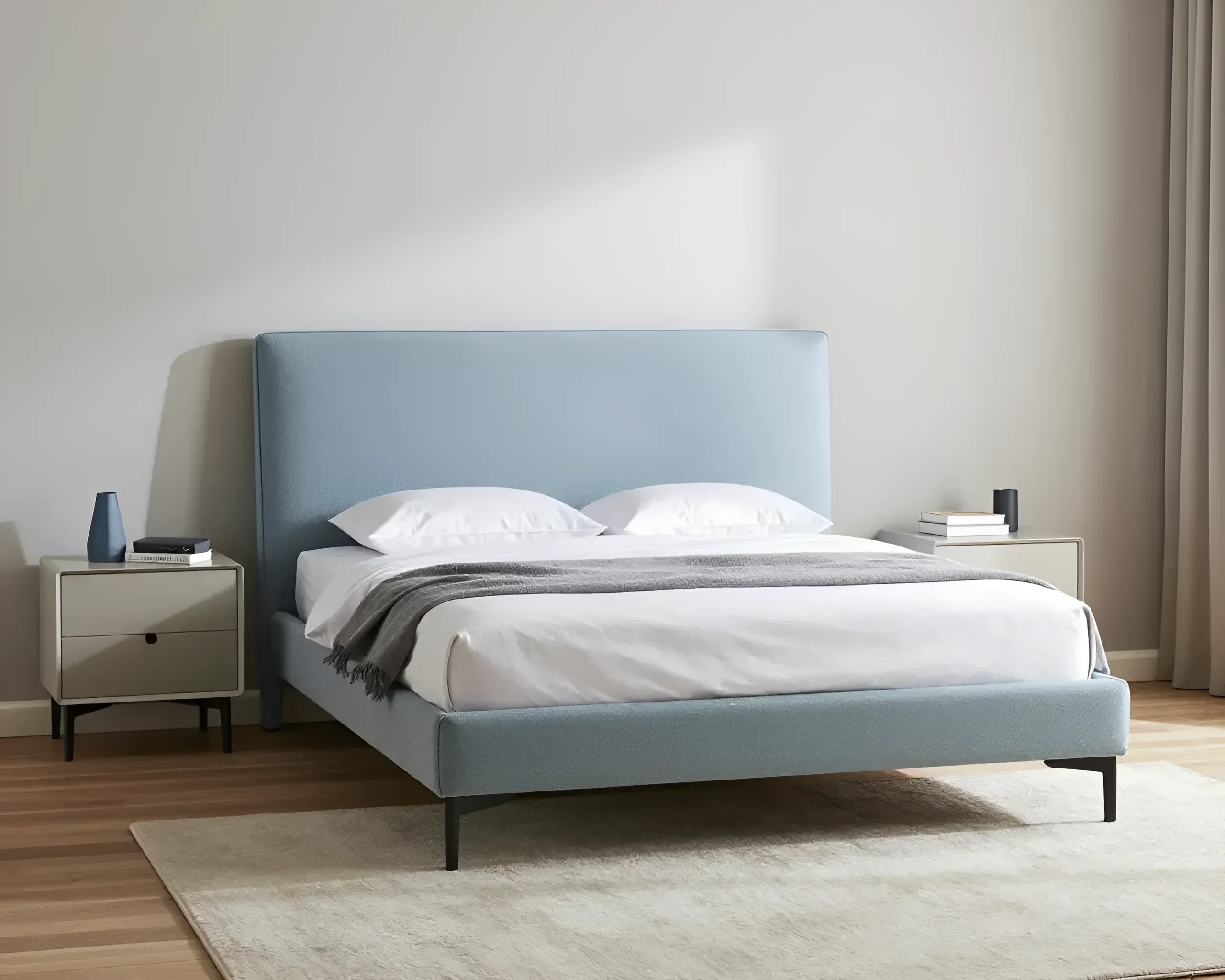
Although Scandinavian style seems monolithic, several directions can be distinguished within it, each with its own characteristics. Let’s examine them in more detail:
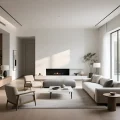
- Minimalism is the foundation of Scandi furniture. Straight lines, lack of decor, monochrome or pastel tones. Example: IKEA Kivik sofa with gray linen upholstery and wooden legs.
- Hyper-functionality is furniture that performs multiple tasks. For example, a sofa bed with storage drawers or an armchair with a built-in table. Such models are particularly popular in city apartments with limited space.
- Eco-style emphasizes natural materials: wood, linen, cotton, wool. Furniture in this direction is often handmade and has unique textures. Example: an armchair from the brand Muuto, upholstered in organic cotton.
- Scandi-loft combines Scandinavian aesthetics with industrial elements. Metal legs, concrete textures, dark shades. This style is suitable for studios and lofts.
Each direction has its advantages, but they are all united by a common idea: furniture should be comfortable, durable, and aesthetic. When choosing, it is important to consider not only the appearance but also the functionality: for example, if you have children or pets, it is better to choose furniture with wear-resistant upholstery and removable covers.
Materials and Color Schemes: How to Choose the Perfect Upholstered Furniture for Scandi Style
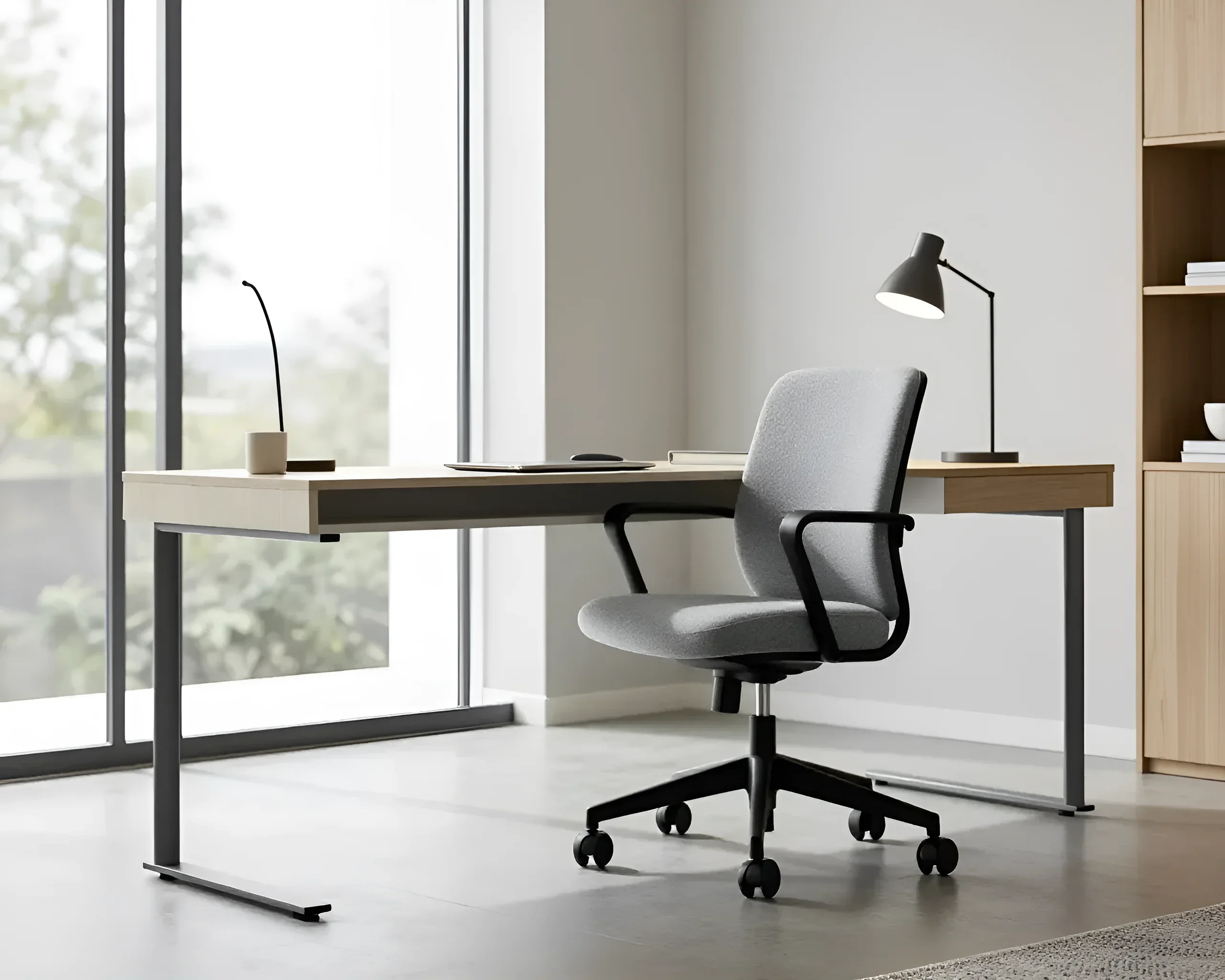
Materials play a key role in creating the atmosphere of a Scandinavian interior. Here are the main recommendations for choosing:
- Fabrics — linen, cotton, wool, velour. Linen and cotton are ideal for light interiors as they are breathable and look natural. Wool adds warmth and coziness, especially in the cold season. Velour is suitable for more formal spaces but requires regular cleaning.
- Leather — although leather is not a traditional material for Scandi furniture, it can be used in combination with wood or metal. Choose natural leather with a matte finish to avoid shine.
- Wood — the legs of sofas, armchairs, and ottomans are often made of light wood: oak, ash, or birch. This adds warmth and connects the furniture with nature.
Color schemes in Scandi style are usually limited to a palette: white, gray, beige, black, and natural wood tones. However, you can add accents with pillows, throws, or rugs. For example, blue or green in accessories will create contrast and liven up the interior.
It is important to remember that light colors visually enlarge the space, so they are particularly popular in small apartments. Dark shades, such as dark gray or black, are best used in spacious rooms to create depth and drama.
Layout and Zoning with Upholstered Furniture in a Scandinavian Interior
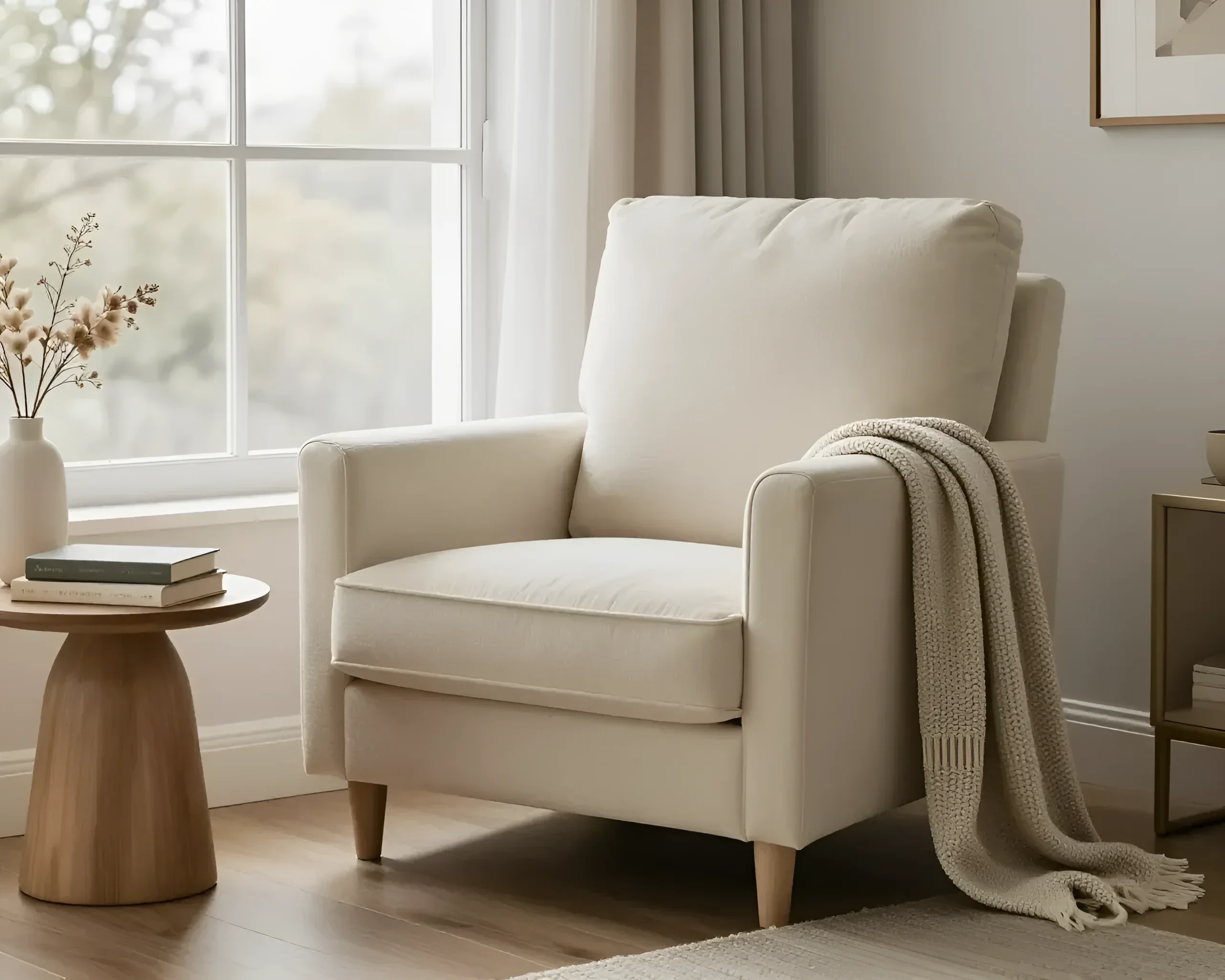
Upholstered furniture is a powerful tool for zoning space. In a Scandinavian interior, this is especially important, as the style strives for open layouts. Here are a few ways to use furniture to create functional zones:
- Sofa as a divider — place the sofa perpendicular to the wall to separate the living room from the kitchen or work area. This creates a visual barrier without the need for partitions.
- Armchairs and ottomans — use them to create cozy corners for reading or relaxation. For example, place an armchair by the window with a floor lamp and a small table — it will be an ideal spot for morning coffee.
- Modular systems — modular sofas allow you to change the configuration of space according to your needs. For example, on weekdays you can use an L-shaped sofa, and on weekends — arrange it in a line to receive guests.
When planning, consider ergonomics: the distance between furniture should be at least 60 cm for free passage. It is also important to leave space for air circulation — this is especially relevant in Scandi interiors, where light fabrics and natural materials are often used.
Practical Tips for Choosing and Caring for Scandi-Style Upholstered Furniture
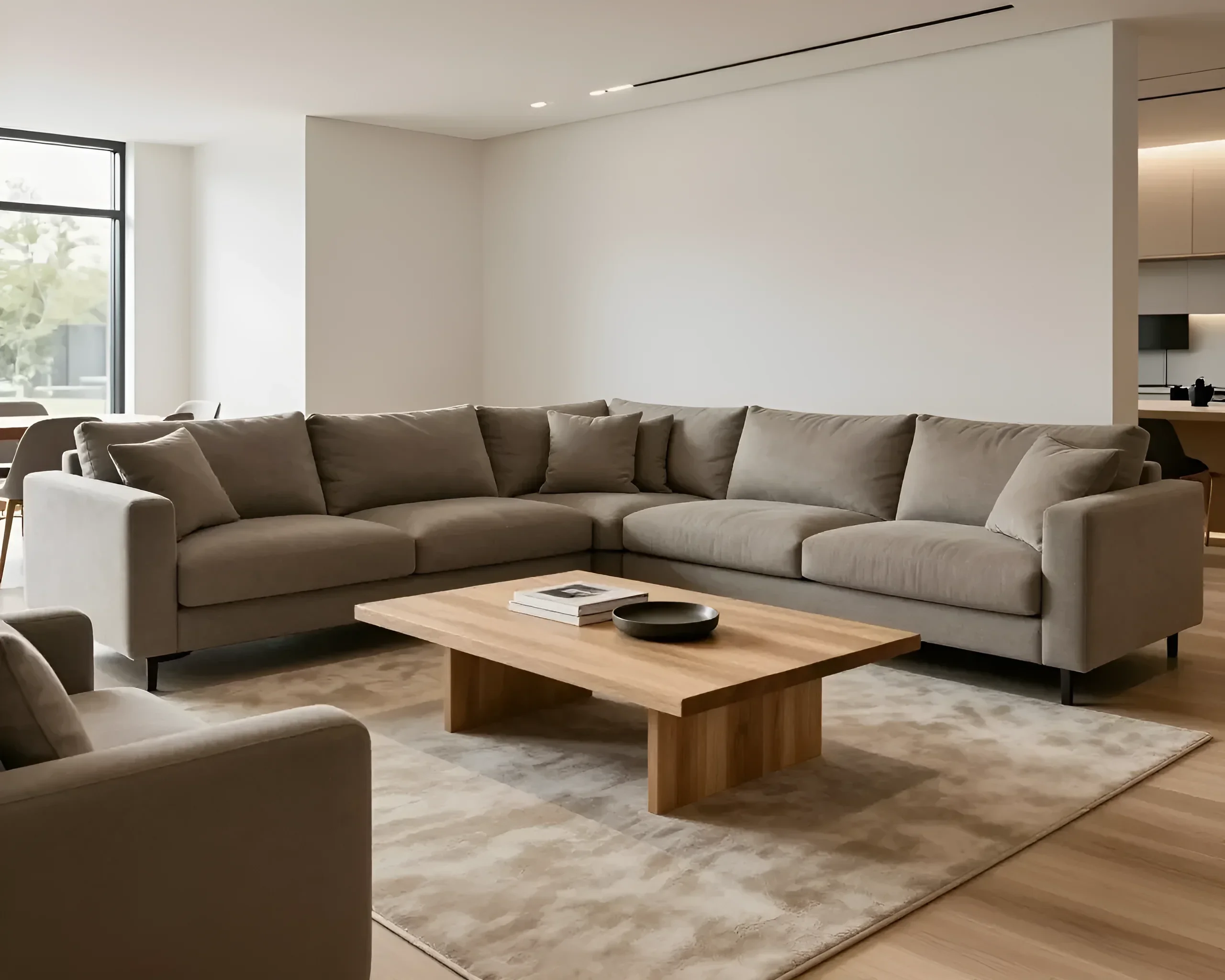
Choosing Scandinavian-style upholstered furniture is not just a matter of aesthetics, but also practicality. Here are a few tips to help you make the right choice:
- Check the quality of the filling — a good sofa should have a spring system or high-density foam. Avoid cheap models with low-quality filling, as they quickly lose their shape.
- Choose removable covers — this will simplify furniture care. Covers can be machine washed, which is especially important if you have children or pets.
- Consider the room size — measure the space before buying and make sure the furniture won’t overcrowd the room. For small apartments, it’s better to choose compact models with low backs.
- Clean furniture regularly — use special products for fabrics or leather. For linen and cotton, a soft brush is suitable; for leather, a moisturizing cream.
It is also important to remember about prevention: do not place furniture close to radiators or windows, as this can lead to fading of fabrics or deformation of wood. Regularly flip the cushions and swap their positions so they wear evenly.
Common Mistakes When Choosing Scandi-Style Upholstered Furniture
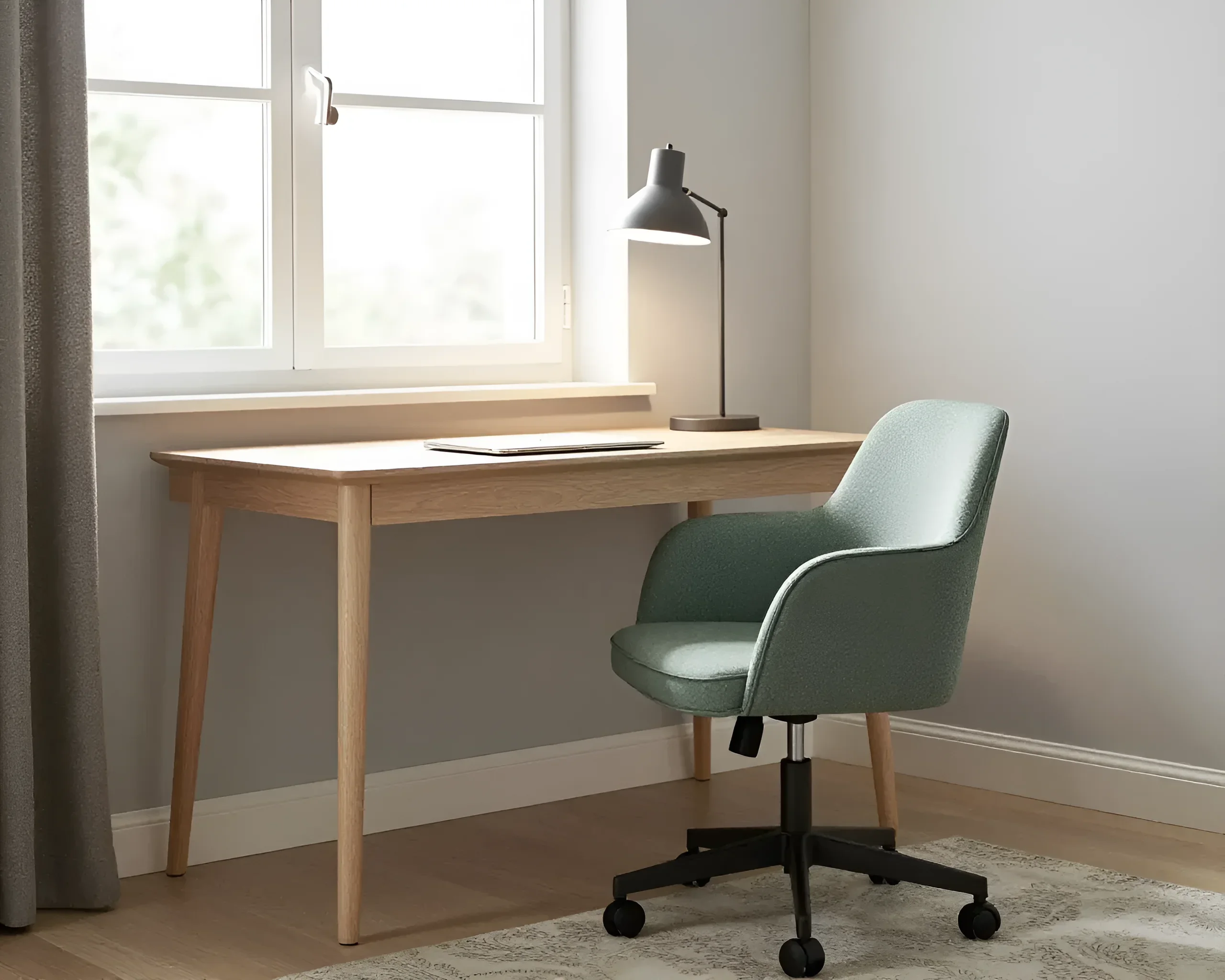
Even experienced designers sometimes make mistakes when choosing furniture. Here are the most common ones:
- Overloading with details — Scandinavian style requires simplicity. Avoid furniture with excessive decor, such as carvings or gilding.
- Incorrect color choice — overly bright or dark tones can disrupt the interior balance. It’s better to stick to neutral shades and add accents with accessories.
- Ignoring ergonomics — furniture should be comfortable. Do not choose sofas with low backs or hard cushions if you plan to spend a lot of time on them.
- Not considering functionality — multitasking is important in Scandi style. If you are choosing furniture for a small apartment, make sure it performs multiple functions, for example, has storage drawers.
Avoid these mistakes, and your interior will look harmonious and functional.
Photo Gallery: Best Examples of Scandi-Style Upholstered Furniture Design
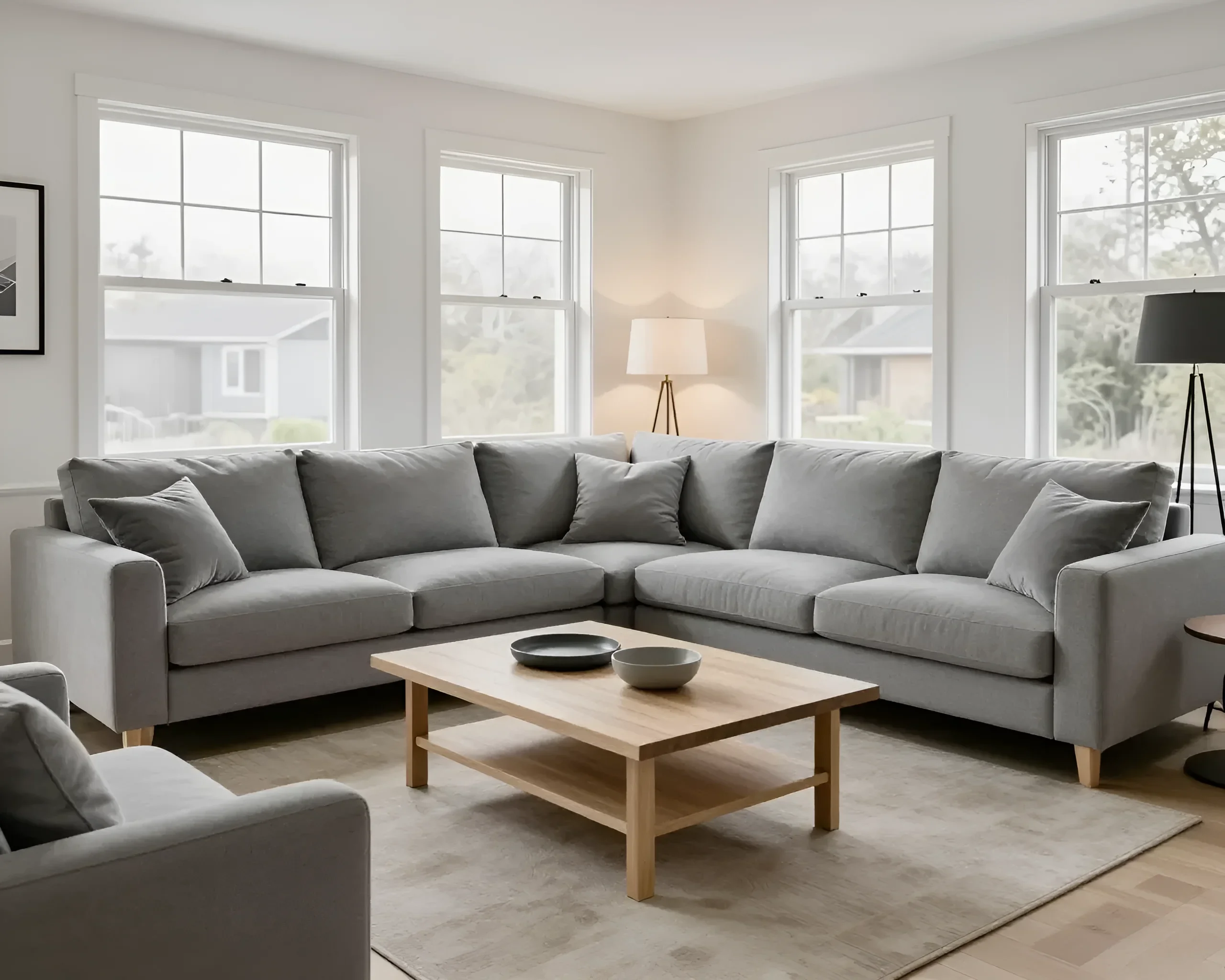
In this section, we will present the best examples of Scandinavian-style upholstered furniture. Each example is accompanied by a description of materials, color schemes, and design features.
- Example 1: IKEA Kivik Sofa — a classic model with gray linen upholstery and wooden legs. Ideal for small living rooms.
- Example 2: Muuto Hang It Armchair — a hanging armchair upholstered in organic cotton. Creates a sense of lightness and airiness.
- Example 3: Hay Halo Modular Sofa — a system of modules that can be combined in different ways. Upholstered in black velour.
- Example 4: Ferm Living Cloud Pouf — a soft pouf upholstered in white linen. Great for children’s rooms or relaxation areas.
These examples show how diverse Scandinavian-style upholstered furniture can be. They can serve as inspiration for your own interior.
FAQ and Interesting Facts about Scandinavian Furniture
Here are the answers to the most frequently asked questions about Scandinavian furniture:
- Question: Can Scandi furniture be combined with other styles?
Answer: Yes, Scandinavian style easily combines with minimalism, loft, and even classic styles. The main thing is to maintain balance and not overload the interior. - Question: How to care for linen upholstery?
Answer: Use a soft brush and special fabric cleaners. Avoid direct sunlight to prevent the fabric from fading. - Question: Which brands produce the best Scandi furniture?
Answer: Popular brands include: IKEA, Muuto, Hay, Ferm Living, String Furniture.
Interesting facts:
- The first Scandinavian sofa was created in the 1950s by architect Arne Jacobsen.
- Scandinavian furniture is often used in hotels and restaurants worldwide due to its versatility.
- Many Scandi furniture manufacturers use recycled materials, making them environmentally friendly.
We hope this article has helped you better understand how to choose and use Scandinavian-style upholstered furniture. If you have any remaining questions, feel free to consult professionals or explore our materials on the website.
Рекомендуем:
 Wall Cladding with Wood Paneling: A Step-by-Step Guide
 The Perfect Lounge Chair: From Classic to High-Tech – A Complete Guide
 Washable wallpaper for the kitchen: why it’s the best idea for your renovation?
 Internal Wall Insulation: Materials and Technology
 Bark Beetle Decorative Plaster: Application Technology
 How to Make a Brick Wall in an Interior (Imitation)
 20 Non-Obvious Ideas for a Classic Living Room Interior: From Baroque to Neoclassicism
 Classic and Traditional Interior Styles: A Complete Guide
 Nautical Style in Interior Design: How to Create a Coastal Atmosphere in a City Apartment
 Sofa beds for small apartments: functionality, comfort, and style
 How to Choose Sofa Upholstery: Durability and Beauty – A Complete Guide
 Living Furniture from Mycelium and Algae: The New Luxury in Interior Design
 PVC Wall Panels: Cheap and Cheerful. Installation Guide
 DIY Decorative Stone Wall Installation: Your Guide to Home Transformation
 Interior Design and Pets: How to Combine Aesthetics and Pet Comfort
 How to Update Old Tiles Without Removing Them: 99 Ways to Transform Your Bathroom and Kitchen
 Фотогалерея: лучшие примеры дизайна мягкой мебели в стиле Сканди — практичные решения для вашего дом
 Mobile Zoning: Screens, Shelving, and Curtains for a Flexible Living Room
 Which Tile to Choose for a Small Bathroom: Color, Size, Texture, and Space-Expanding Secrets
 Minimalism in Interior Design: The Secret to Style, Ergonomics, and the Line Between Emptiness
