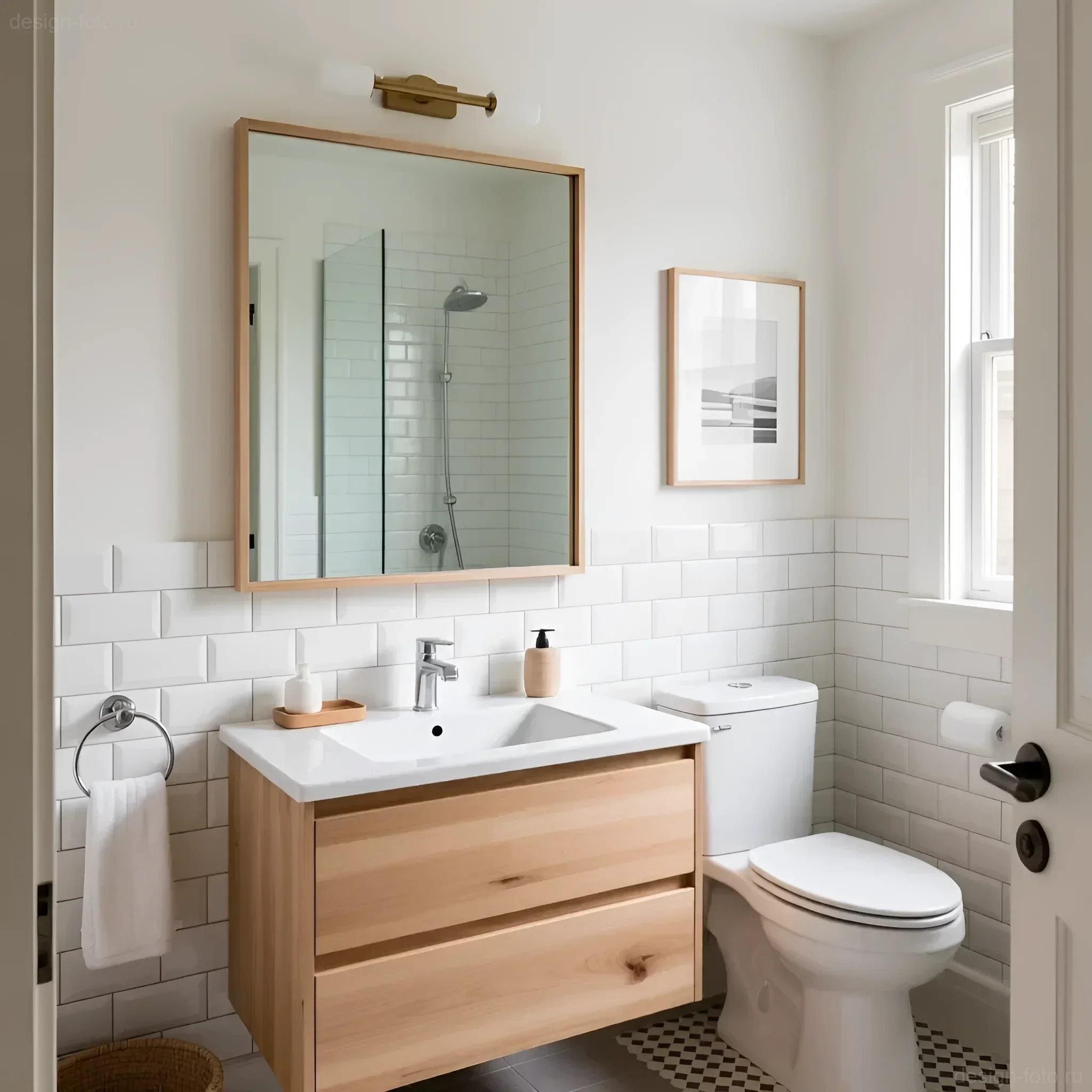
Working with limited spaces, such as standard bathrooms in apartment buildings or guest bathrooms, requires designers to be not only creative but also to strictly adhere to the laws of ergonomics and visual optics. In a small bathroom, tile is not just a finishing material; it is a key tool that determines the perception of volume, light, and cleanliness. Properly selected porcelain stoneware or ceramic can visually “break” walls, add depth, and make the room functionally and aesthetically complete. As professionals, we recommend approaching tile selection as pragmatically as possible, analyzing three key parameters: color, size, and texture.
Minimalism in Interior Design: The Secret to Style, Ergonomics, and the Line Between Emptiness
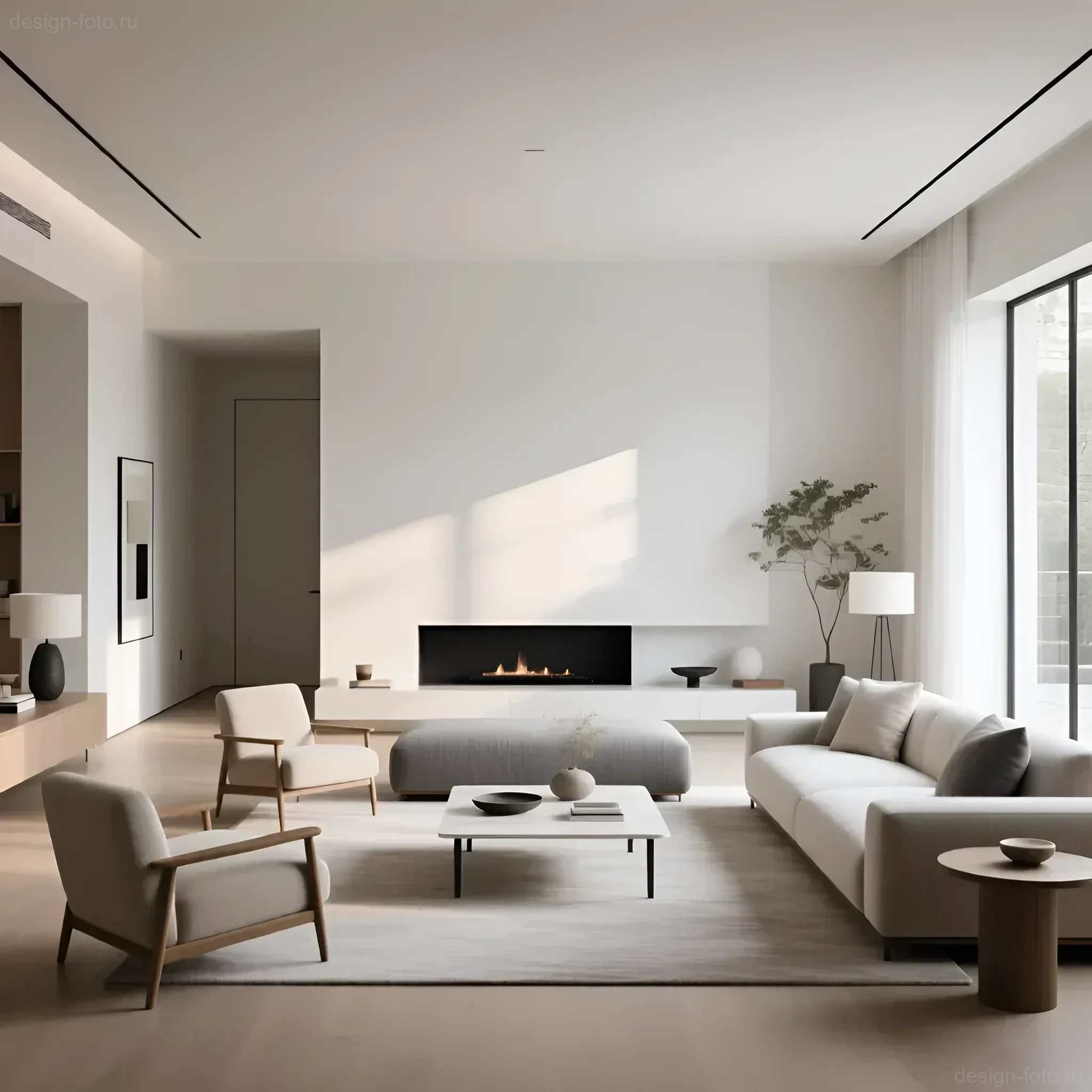
Minimalism is not just an aesthetic choice; it’s a philosophy of space organization that requires a deep understanding of functionality, ergonomics, and architectural purity. In professional practice, we often face a dilemma: how to create a clean, concise interior that is simultaneously warm and livable, rather than resembling a sterile museum hall. Our task as designers is to find that fine line where the absence of the superfluous becomes an advantage, not a sign of incompleteness or emptiness.
How to Maintain Perfect Order in a Minimalist Interior: A Practical Guide
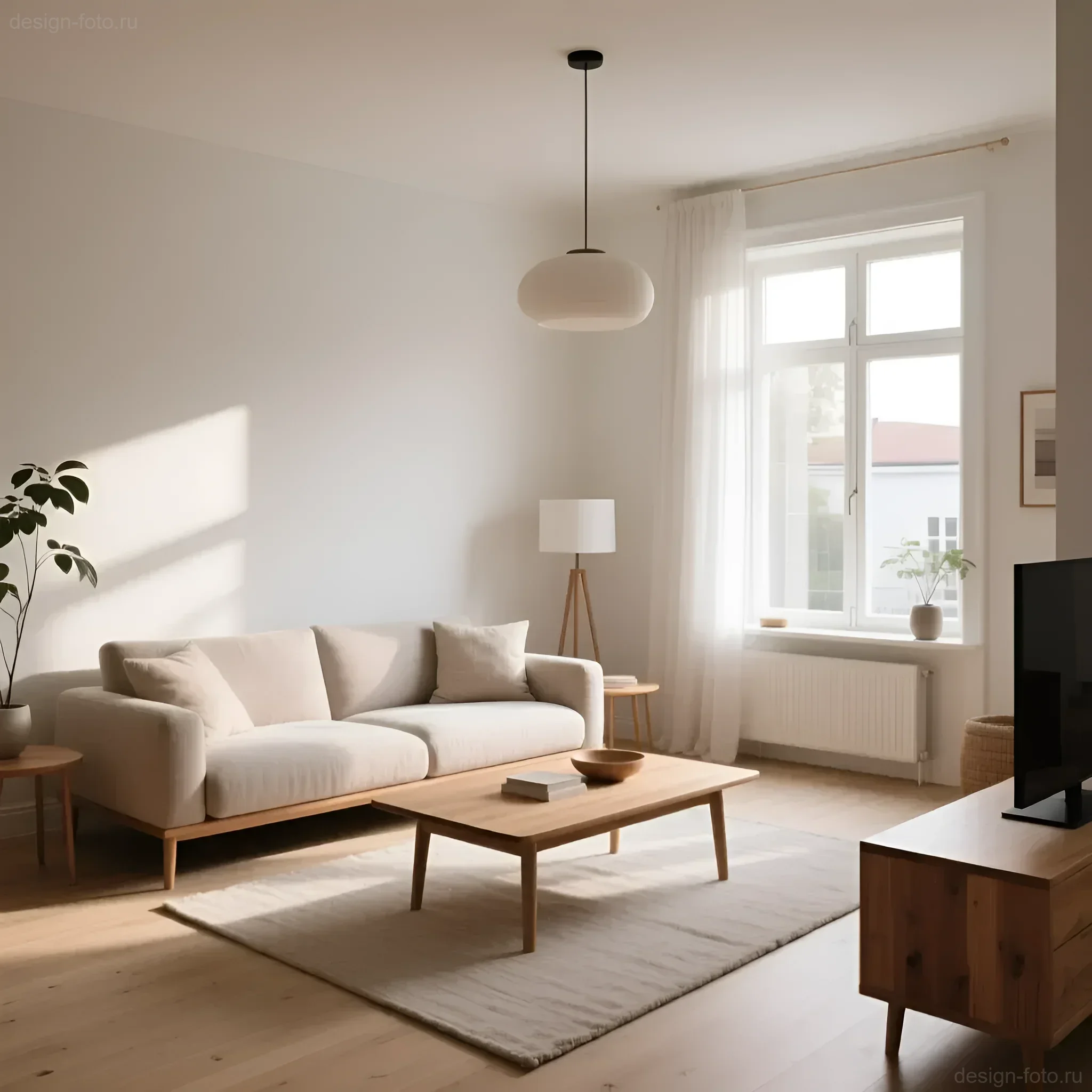
Minimalism is not just an aesthetic choice; it’s a strict philosophy of space organization. Many mistakenly believe that it’s enough to remove decor and paint walls white to achieve a minimalist interior. In reality, minimalism is the highest degree of organization, where every item has its place, and the absence of visual clutter is achieved through the total integration of storage systems. While a little mess in a classic or even Scandinavian interior might be perceived as a “lively” accent, in minimalism, any carelessness destroys the entire concept.
Art Deco Colors: Black, Gold, Emerald, Burgundy – Luxury and Practical Tips for Your Interior
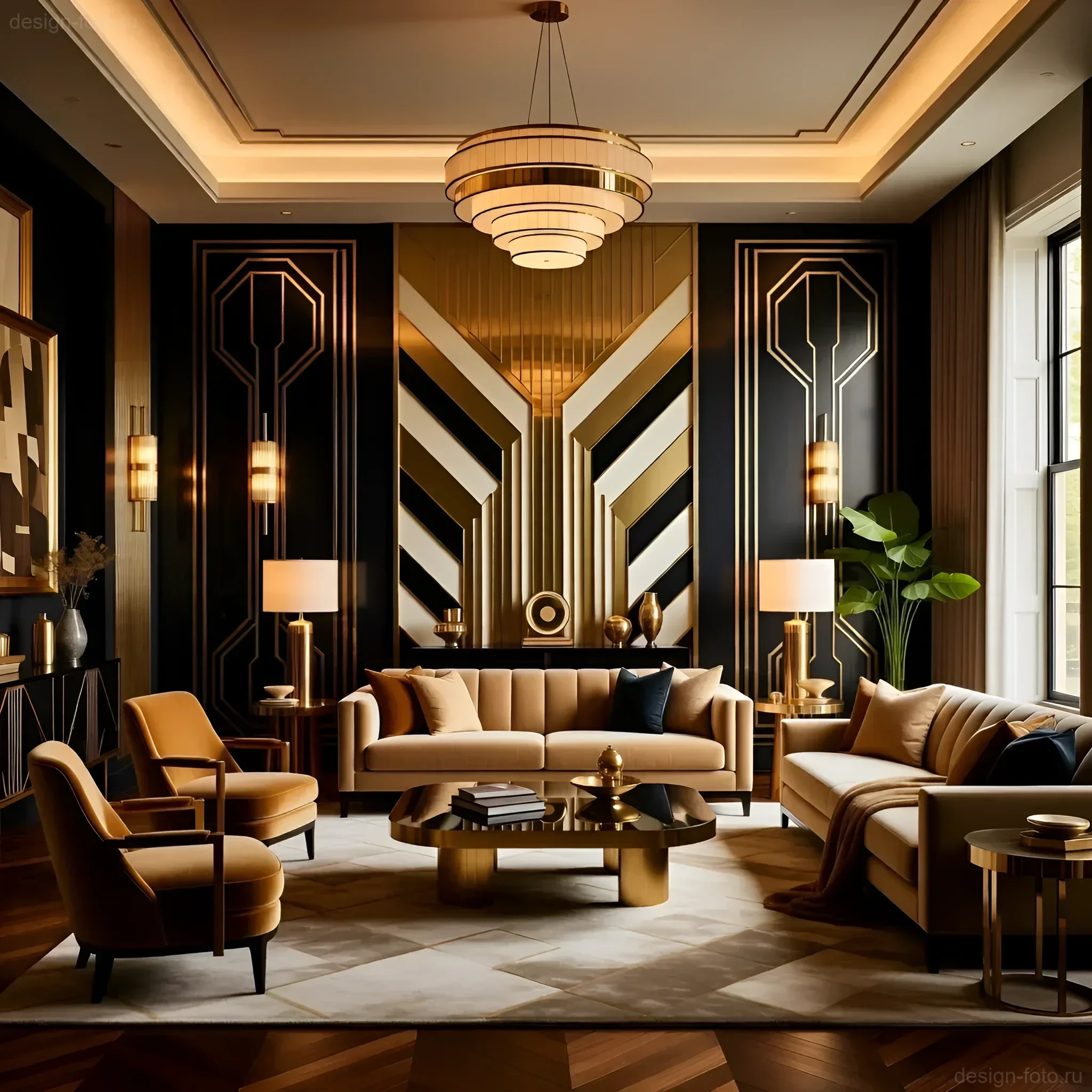
The Art Deco style, which emerged at the dawn of the 20th century, has always been synonymous with luxury, boldness, and geometric precision. However, in today’s context, where functionality and ergonomics are paramount, many consider it excessive. Our task as professionals is to show that the key Art Deco colors – black, gold, emerald, and burgundy – can be integrated even into the most pragmatic interiors, creating a sense of premium quality without compromising comfort. These are not just decorative shades; they are tools for zoning, accentuating, and visually enhancing the depth of space. You will learn how to use this dramatic palette to avoid theatricality and achieve a balanced, expert design.
Art Deco Mirrors: Geometry and Luxury That Transform Interiors
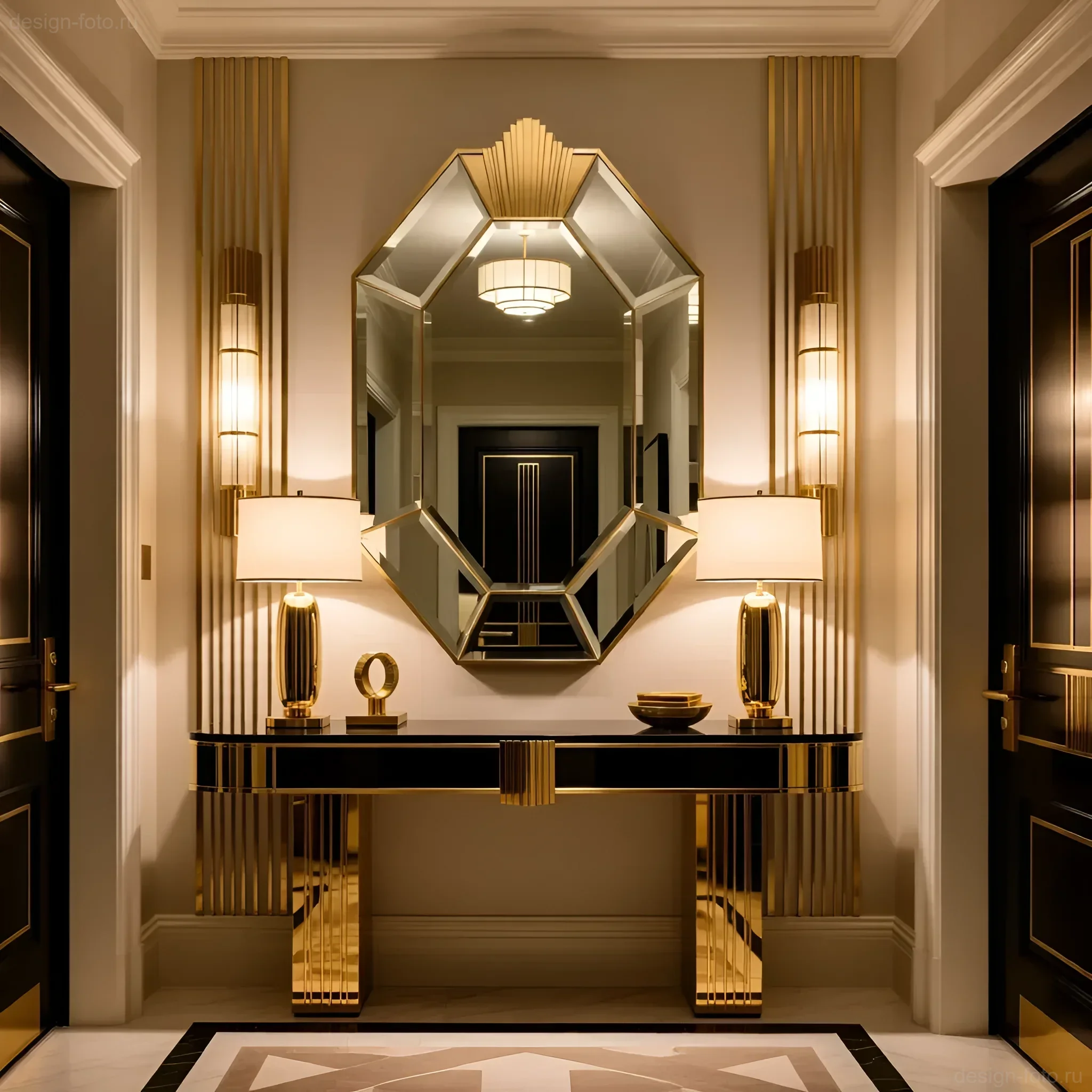
Art Deco mirrors are not just a functional element of the interior, but a powerful architectural tool capable of radically changing the perception of space, adding depth, light, and, undoubtedly, unique luxury. Unlike minimalist solutions, Art Deco demands boldness, precision in geometry, and uncompromising quality of materials. This style, born in the 1920s, remains a synonym for elegance and high status. If you aim to create an interior that is both functional and impressive, you need to understand how these mirror masterpieces work.
Interior Design and Pets: How to Combine Aesthetics and Pet Comfort
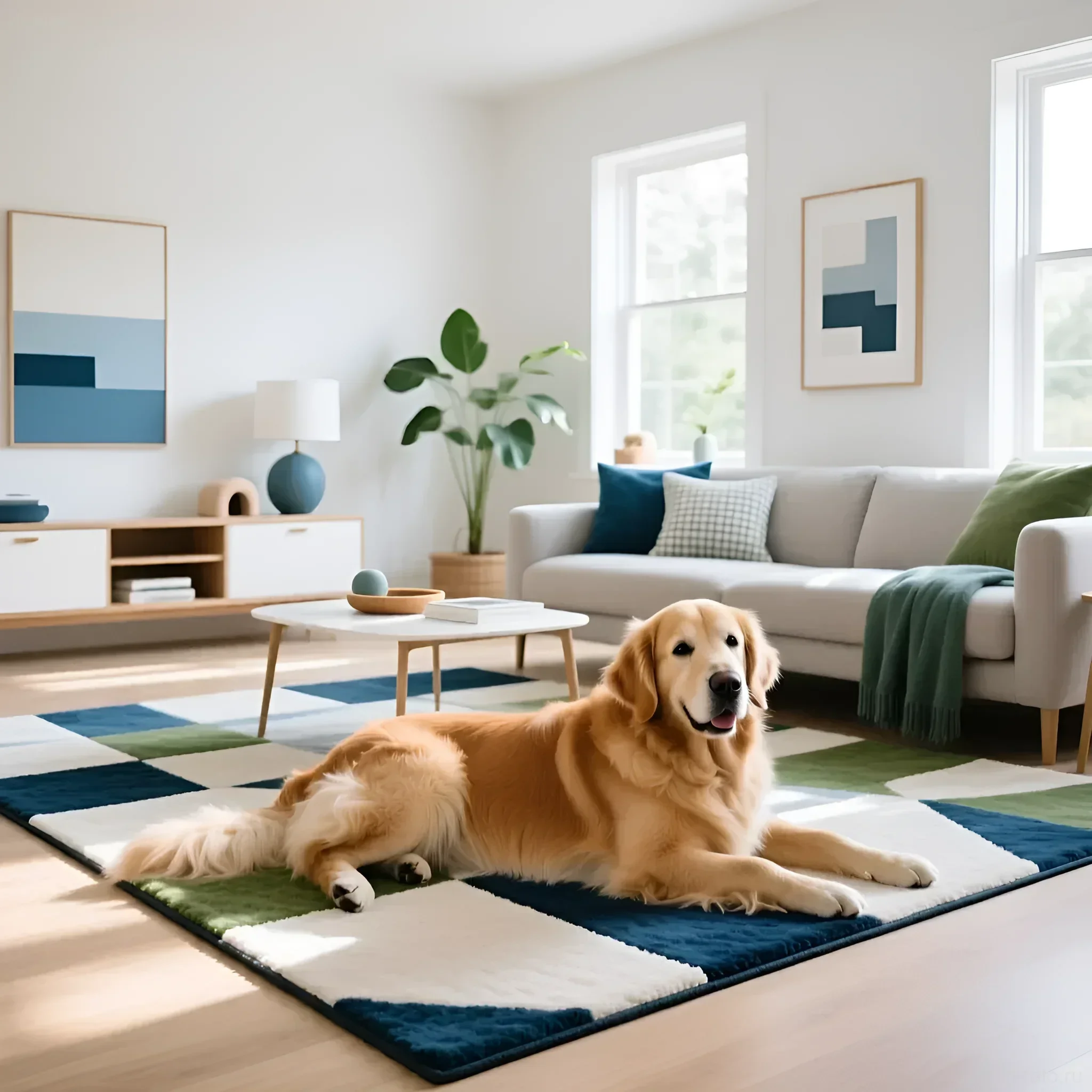
Creating the perfect interior is always a balance between aesthetics, functionality, and personal comfort. When four-legged or feathered family members join the household, this task becomes more complex: the design must be not only beautiful but also durable, safe, and hygienic. As professional designers and architects, we assert that compatibility between high style and the presence of pets is not just possible, it’s essential for harmonious living. It’s not about compromises, but about intelligently integrating pets’ needs into the overall project concept.
Nautical Style in Interior Design: How to Create a Coastal Atmosphere in a City Apartment
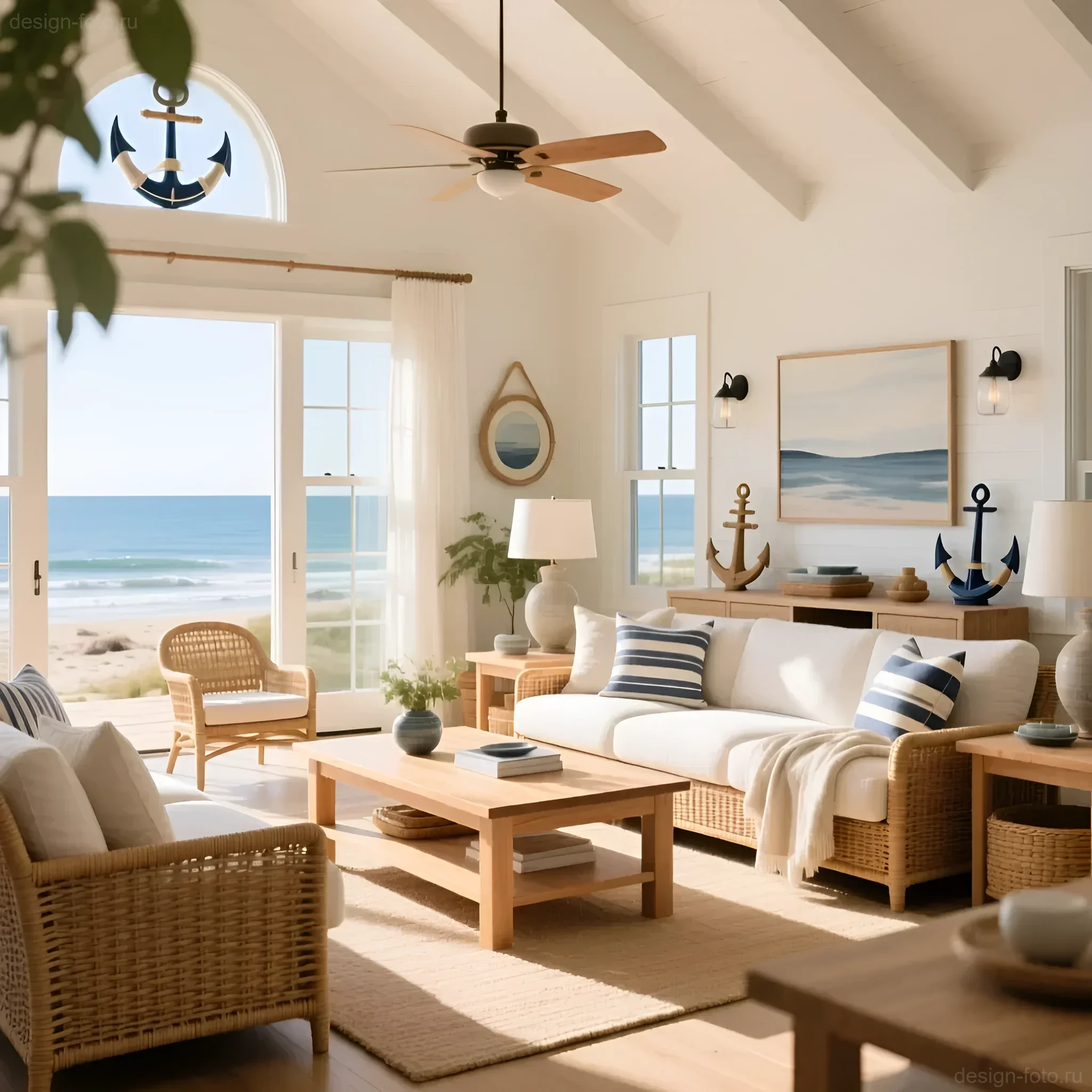
Nautical Style in interior design is not just a collection of clichés from seashells and anchors bought at a souvenir shop. It is a deep philosophy based on the feeling of freedom, purity, and functional aesthetics inherited from ship interiors and coastal villas. Our task as professionals is to transform this romanticism into a practical, ergonomic, and durable living space that will be relevant not only on the ocean shore but also in the heart of a metropolis.
How to Get Rid of Unpleasant Odors in Your Apartment: An Expert Guide to Elimination and Prevention
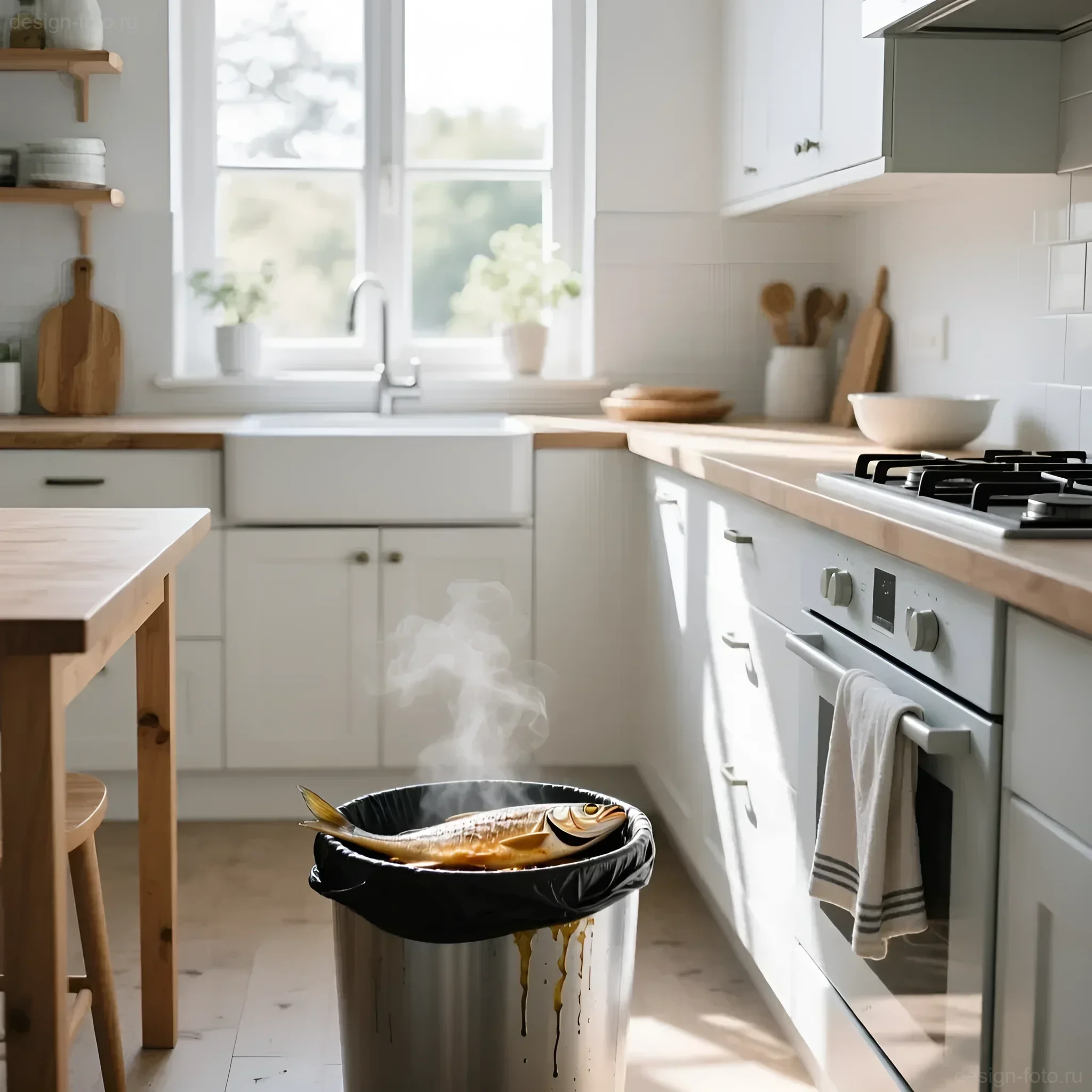
High-quality interior design is not just about visual aesthetics, but primarily about functionality and comfort. In this equation, one of the most underestimated yet critically important elements is air quality. A perfectly designed space filled with unpleasant odors instantly loses its value. As professionals, we approach this problem not from the perspective of masking, but from the standpoint of engineering and hygienic solutions. Eliminating unwanted aromas is a matter of identifying the source, not just buying an air freshener.
Laminate Underlay: Cork, Coniferous, or Polystyrene – Detailed Analysis and Choice
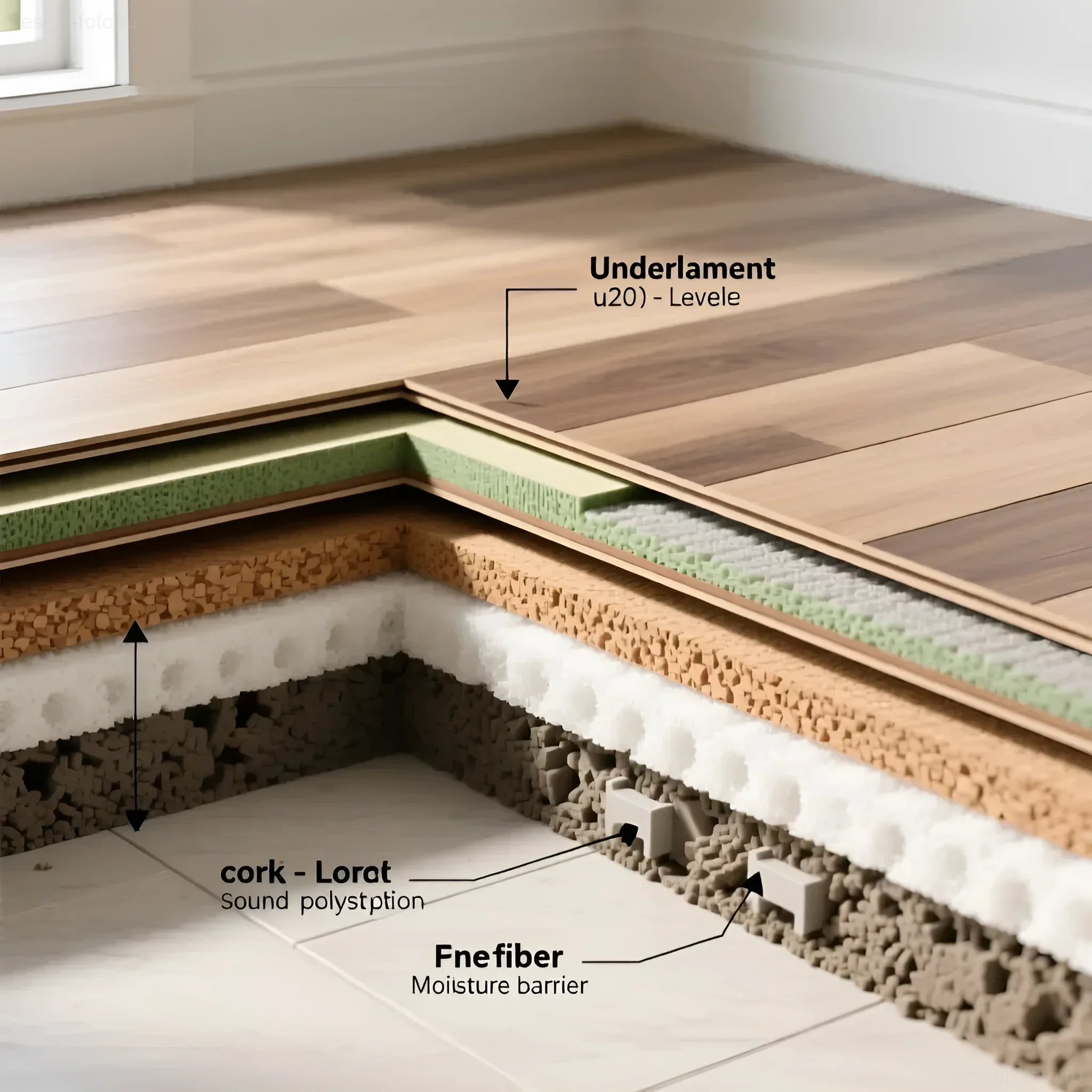
Choosing flooring is only half the battle. The true quality and durability of laminate, as well as acoustic comfort in the room, depend 80% on what is hidden beneath it. As designers and architects, we always insist: an underlay is not an option, but a critically important engineering element of the floor system. And if you are faced with a choice between natural solutions like cork and coniferous boards, and modern synthetic materials like polystyrene, you need a detailed technical analysis.
Priming Walls Before Wallpapering and Painting: The Ideal Foundation for Renovation
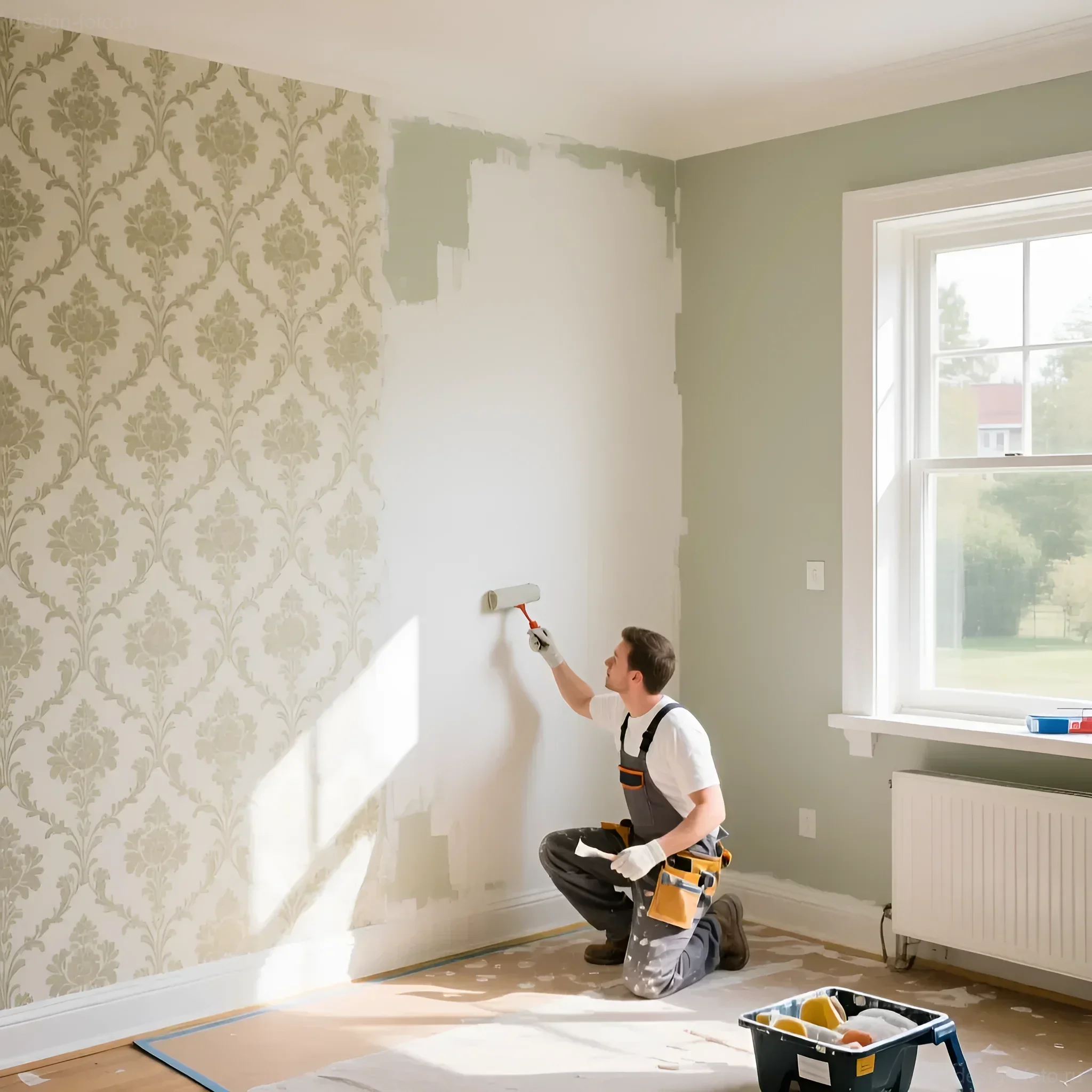
When planning a renovation, especially when it comes to finishing touches like painting or wallpapering, you always want the result to be perfect: a smooth finish, rich color, and durability. Many, trying to save time or money, neglect one of the most important stages of surface preparation – priming. And this, believe me from experience, is the biggest mistake that can lead to catastrophic consequences: peeling wallpaper, uneven paint application, and increased consumption of expensive materials. Priming is not just an extra step; it’s the foundation on which the entire beauty of your interior rests. If you want your wallpaper to last for decades and your paint to look smooth and professional, without spots or streaks, pay due attention to this process. As professional designers and builders, we always insist: quality priming is 80% of the success of the finishing work.