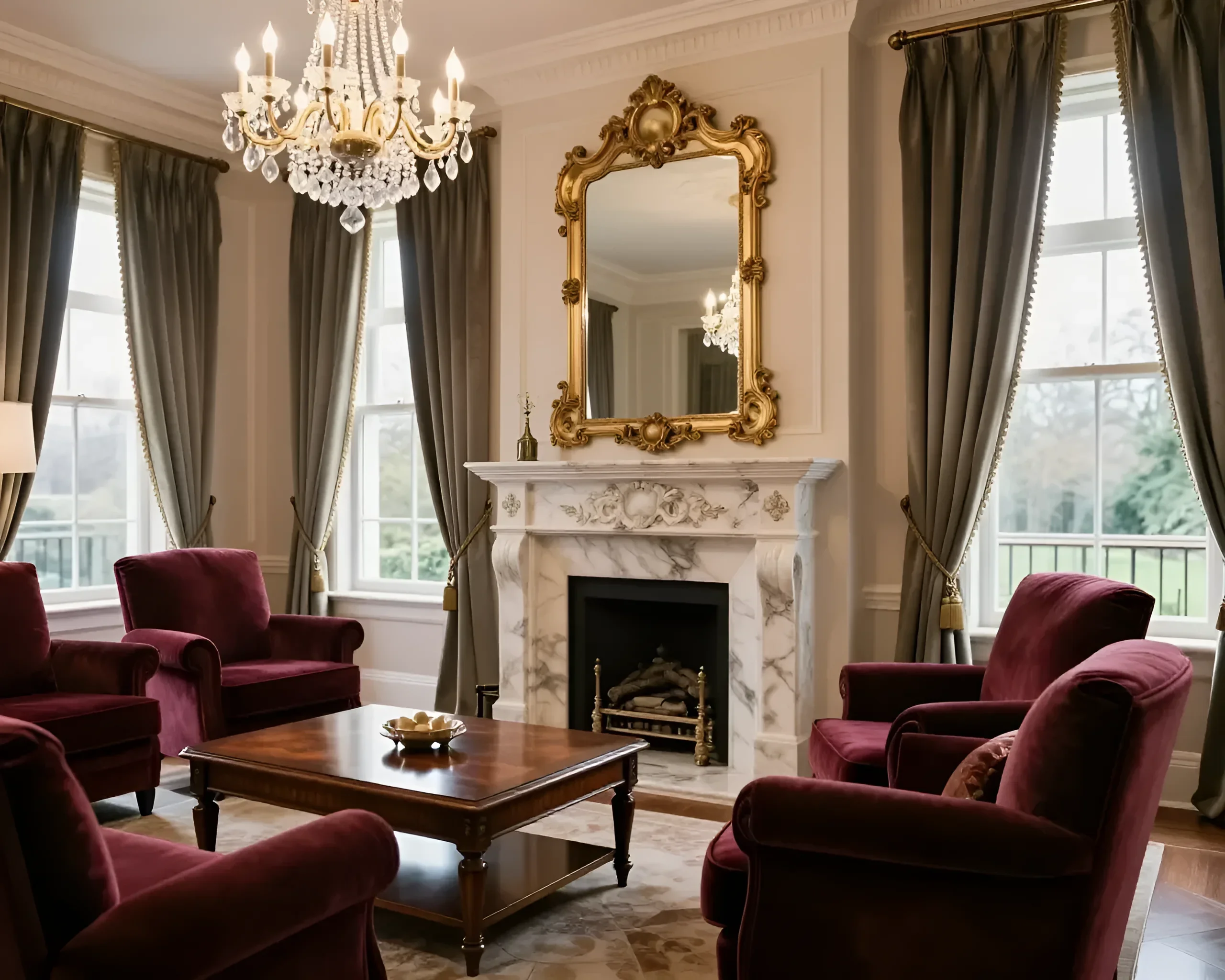
Classic and traditional interior styles are not just a nod to fashion or an aesthetic choice. They are a philosophy of space where every detail matters, and harmony is achieved through balance, proportion, and respect for history. If you want to create an interior that will look elegant for decades, then classic is your path. In this article, we will cover everything: from the main features of the styles to practical tips for choosing furniture and color schemes. You will learn how to avoid common mistakes, how to adapt classic style to modern conditions, and why this approach has remained relevant for over three hundred years.
What are Classic and Traditional Interior Styles and Why Are They Needed
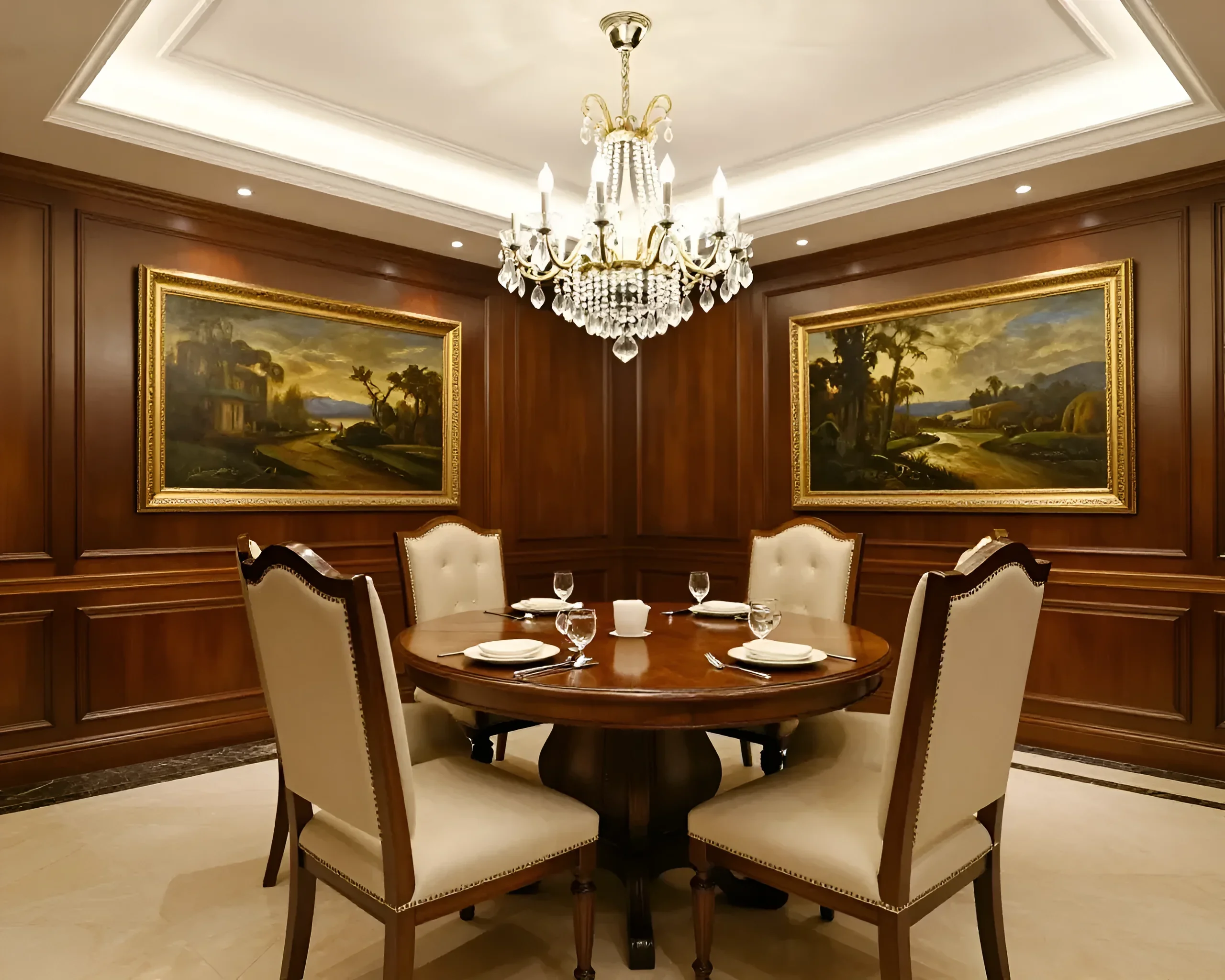
Classic and traditional styles are not a single style, but a whole family of directions united by common principles: symmetry, the use of natural materials, rich finishes, and attention to detail. They include directions such as Baroque, Rococo, Neoclassicism, Empire, Victorian style, Provence, and others. Each has its own peculiarities, but all strive to create an atmosphere of coziness, luxury, and stability.
Why are these styles needed? Because they create a sense of “home” – a place where you can relax, feel protected, and be surrounded by beauty. Classic style does not age. It is not subject to temporary trends. An interior designed in a classic style can serve generations, being passed down as a family heirloom. Moreover, classic style allows you to express the owner’s individuality without losing elegance and restraint.
It is important to understand that classic style does not necessarily mean expensive. You can create a classic interior even on a limited budget if you choose the right materials and furniture. The main thing is to follow the principles: symmetry, proportion, naturalness, and attention to detail.
Main Features of Classic and Traditional Styles: From Baroque to Provence
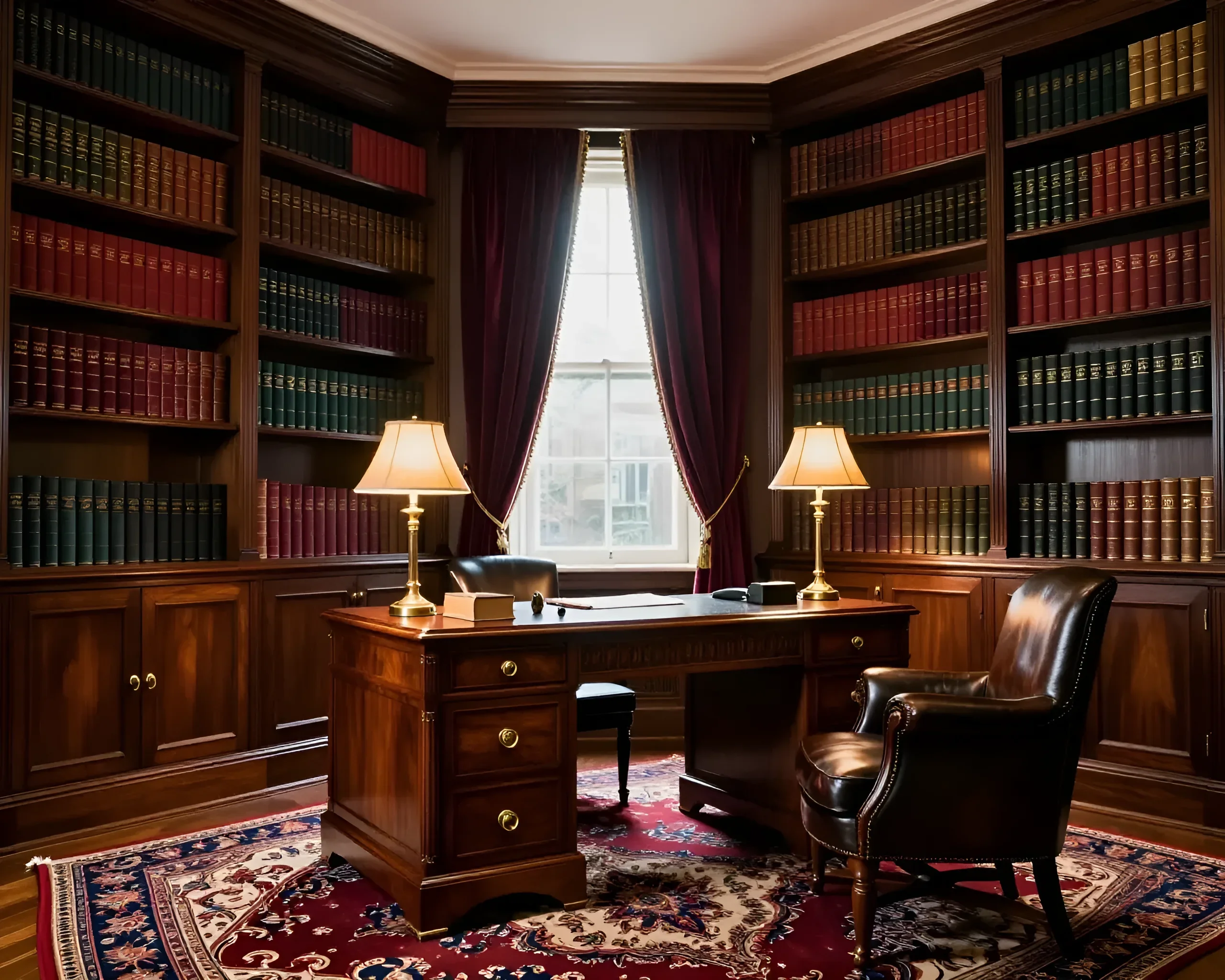
Each classic style has its unique features, but they are all united by common principles. Let’s break down the main directions:
- Baroque – a style of luxury and grandeur. Characterized by an abundance of decor, gold elements, complex shapes, and rich fabrics. Often used in palaces and mansions. Example: ceiling paintings, stucco molding, massive framed mirrors.
- Rococo – a lighter and more playful style than Baroque. Uses pastel colors, curved lines, floral motifs, and small details. Suitable for living rooms and bedrooms. Example: chairs with curved legs, wallpaper with floral patterns.
- Neoclassicism – a modern interpretation of classic style. Retains symmetry and proportions but simplifies decor. Ideal for modern apartments. Example: minimalist columns, smooth cabinet facades.
- Empire – the style of empire, inspired by antiquity. Characterized by rigor, monumentality, and the use of bronze, marble, and dark wood. Example: massive sofas with straight lines, floor lamps with bronze bases.
- Victorian style – the style of the Victorian era in England. Rich decor, abundance of textiles, dark tones, and complex shapes. Example: high-backed chairs, patterned carpets, fringed curtains.
- Provence – French country style. Light, airy, using natural materials and pastel tones. Example: white wooden cabinets, linen curtains, ceramic dishes.
All these styles have common features: symmetry, the use of natural materials, attention to detail, and a striving for harmony. However, each of them has its own peculiarities that make it unique.
Color Schemes and Materials for Creating a Classic Interior
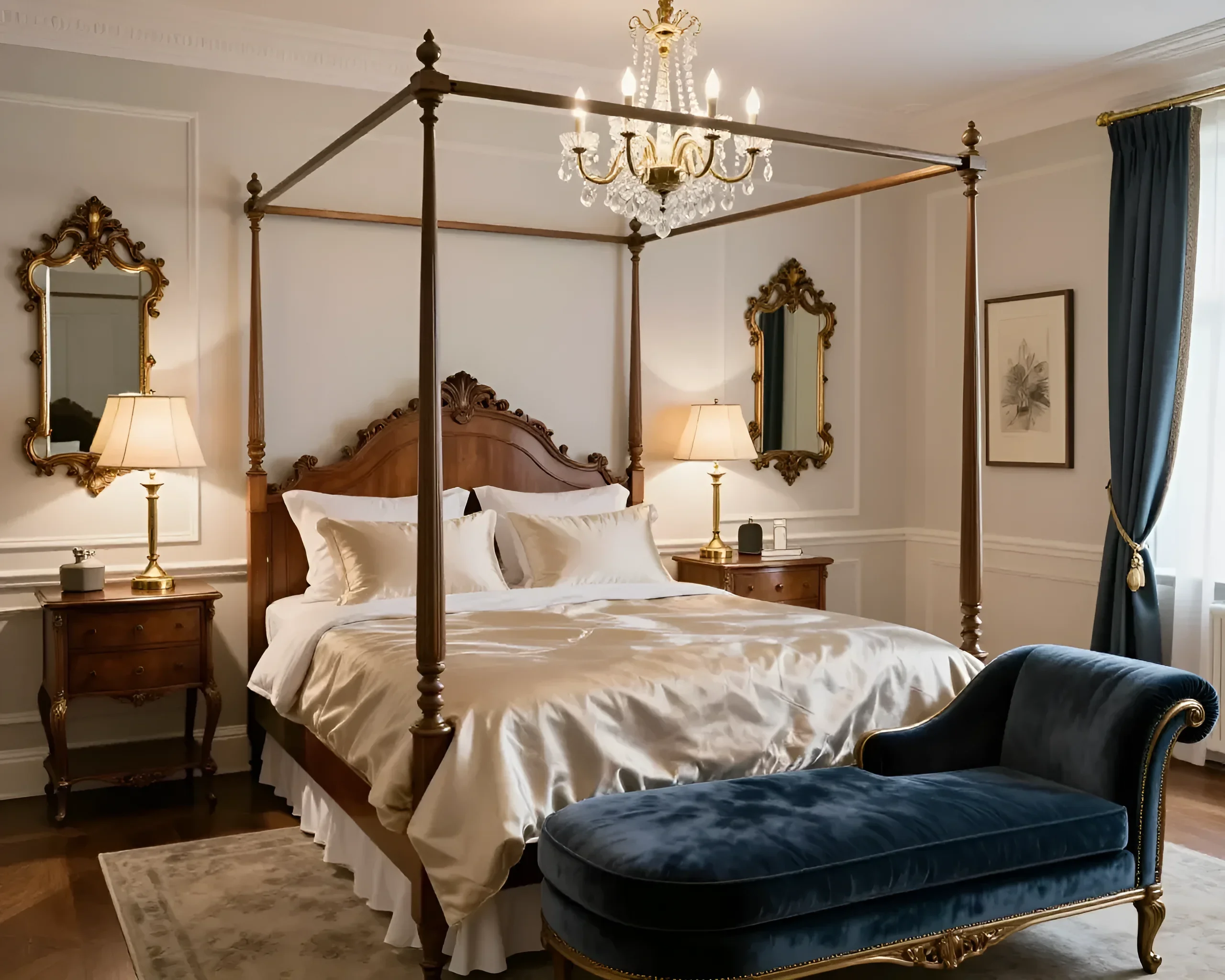
The color palette in a classic interior plays a key role. It should be restrained, yet rich. Main colors: white, beige, gray, gold, burgundy, green, and blue. These colors create a sense of calm and elegance.
Materials are also important. A classic interior requires the use of natural materials: wood, stone, marble, leather, linen, and silk. Artificial materials can be used, but only if they are high-quality imitations of natural ones.
Examples of combinations:
- White + Gold – creates a sense of luxury and light. Ideal for living rooms and dining rooms.
- Beige + Brown – creates a sense of coziness and warmth. Suitable for bedrooms and studies.
- Gray + Green – creates a sense of calm and harmony. Ideal for bathrooms and kitchens.
- Burgundy + Gold – creates a sense of grandeur and luxury. Suitable for halls and libraries.
It is important to remember that colors should be balanced. Do not use too many bright colors. It is better to focus on one or two colors and complement them with neutral shades.
Layout and Zoning in Classic Style: How to Organize Space
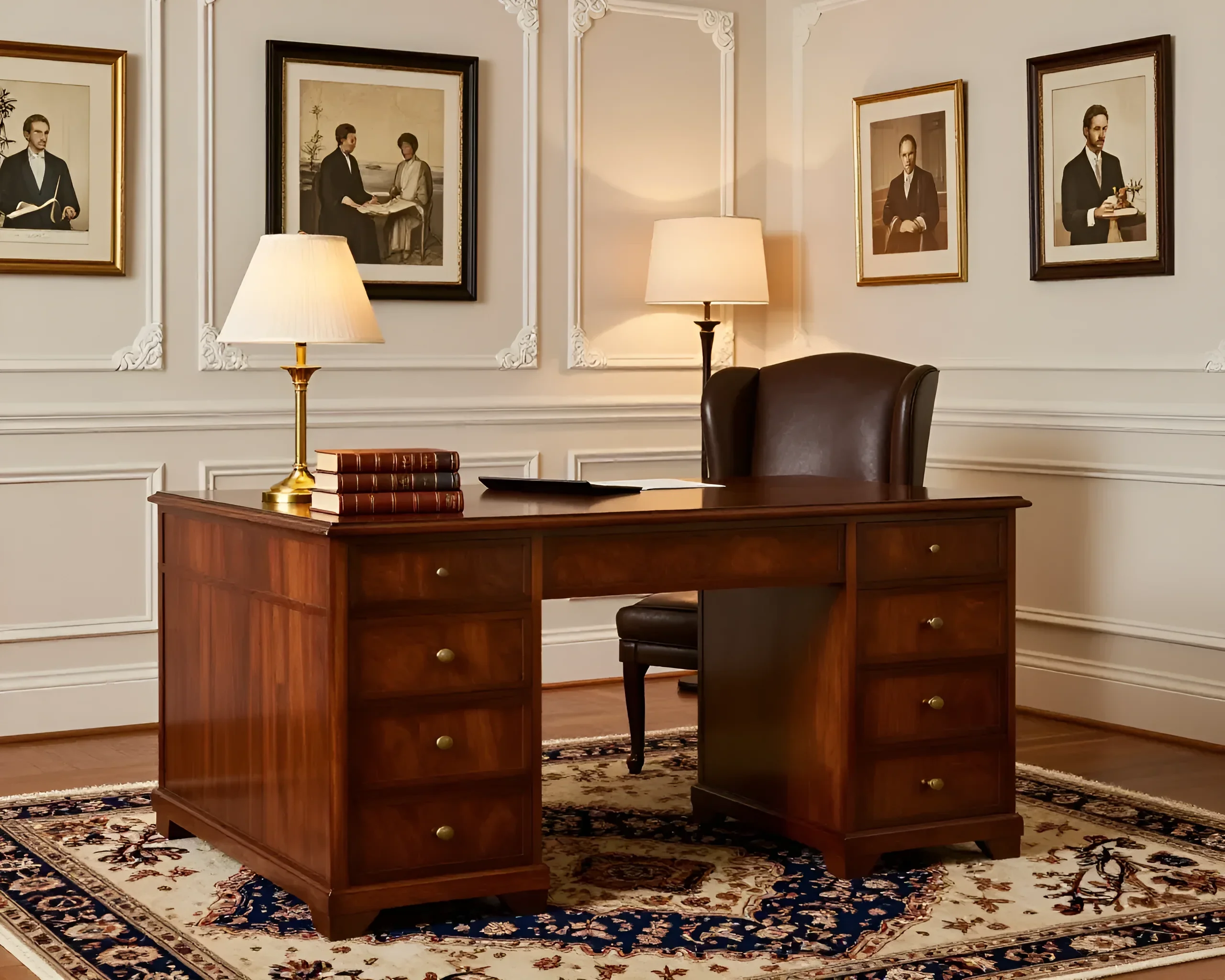
The layout in classic style should be symmetrical and balanced. This means that all elements of the interior should be arranged in a way that creates a sense of harmony and order.
Basic layout principles:
- Symmetry – all elements should be arranged symmetrically relative to the central axis of the room. For example, two armchairs on either side of a fireplace or two floor lamps on either side of a sofa.
- Proportion – all elements should be proportional to each other. For example, the size of the sofa should correspond to the size of the room, and the ceiling height should be sufficient to accommodate a chandelier.
- Zoning – the room should be divided into zones: a relaxation area, a work area, a dining area, etc. Each zone should have its own furniture and decor elements.
Examples of zoning:
- Living room – a relaxation area with a sofa, armchairs, and a coffee table. A guest reception area with a fireplace and floor lamps.
- Bedroom – a sleeping area with a bed and bedside tables. A relaxation area with an armchair and a floor lamp.
- Kitchen – a cooking area with a stove and sink. A dining area with a dining table and chairs.
It is important to remember that the layout should be convenient and functional. Do not sacrifice comfort for aesthetics.
Practical Tips for Choosing Furniture and Decor for a Classic Interior
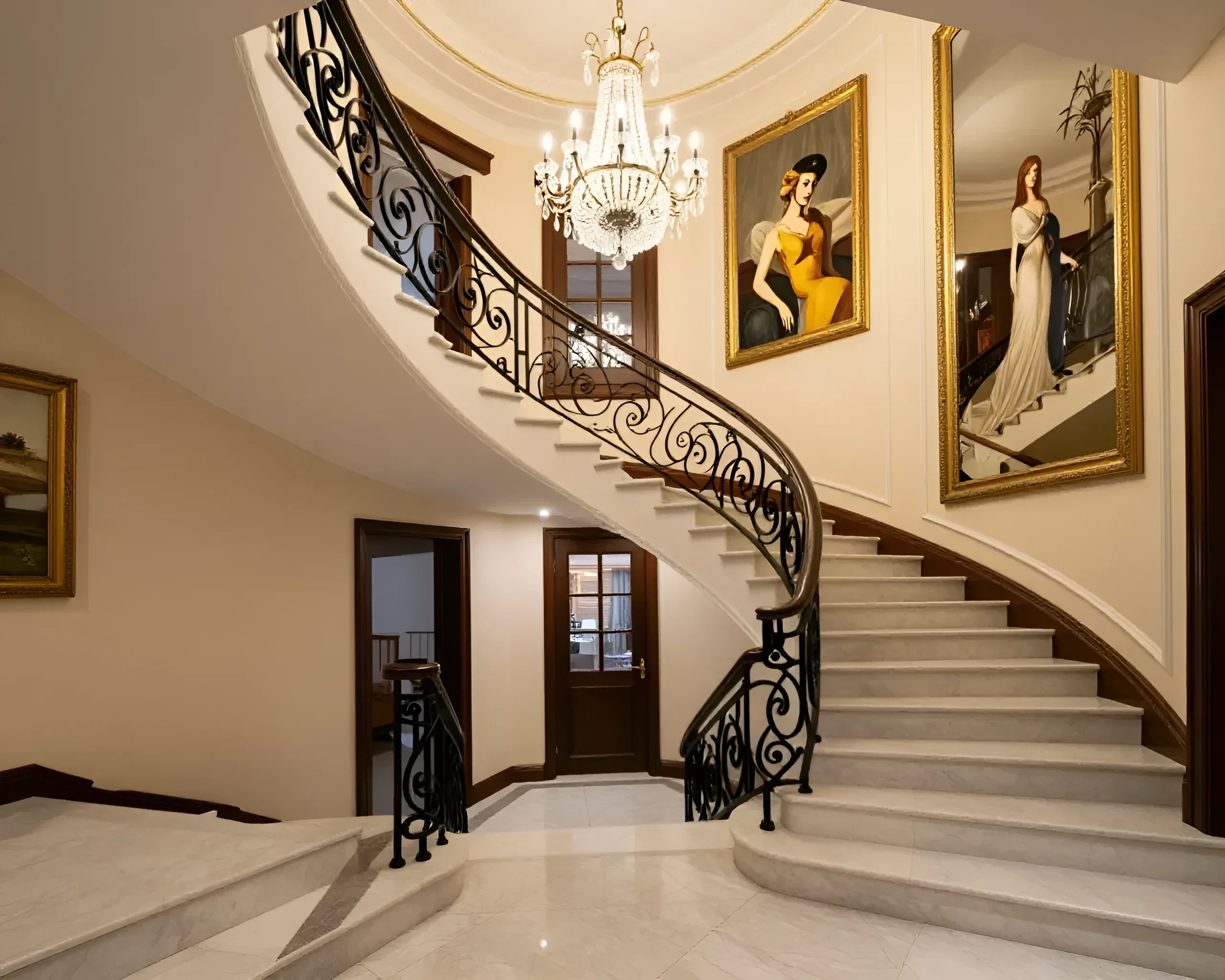
Choosing furniture and decor is a key stage in creating a classic interior. Furniture should be high-quality, comfortable, and in keeping with the style. Decor should be restrained, yet add coziness and elegance.
Tips for choosing furniture:
- Sofas and armchairs – choose models with high backs and soft cushions. Material – leather or velvet. Color – neutral or dark.
- Tables and chairs – choose models with straight lines and massive legs. Material – wood or metal. Color – dark or gold.
- Cabinets and chests of drawers – choose models with wooden or glass fronts. Material – wood or metal. Color – dark or gold.
Tips for choosing decor:
- Mirrors – choose models with wooden or metal frames. Size – large, to reflect light and enlarge the space.
- Paintings – choose models with classic subjects: landscapes, portraits, still lifes. Size – medium or large.
- Vases and statuettes – choose models made of ceramic, bronze, or marble. Size – medium or small.
It is important to remember that furniture and decor should be balanced. Do not overload the room with too many elements. It is better to focus on a few key pieces.
Common Mistakes When Creating a Classic Interior and How to Avoid Them
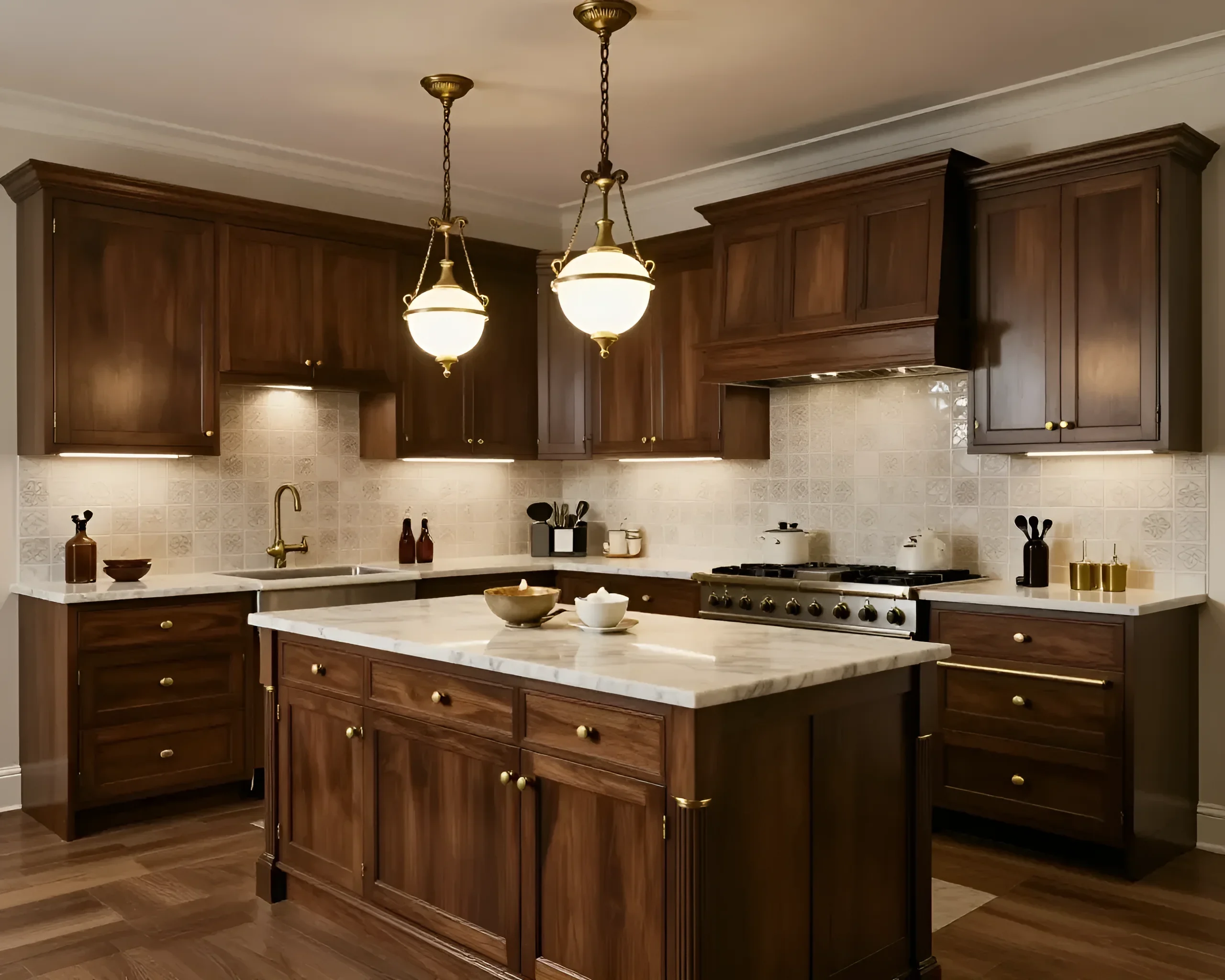
Creating a classic interior is a complex process that requires attention to detail. However, many people make common mistakes that spoil the overall look of the interior. Here are the most frequent ones:
- Overcrowding with decor – too many mirrors, paintings, vases, and statuettes. This creates a sense of chaos and disrupts harmony. Solution: choose a few key elements and focus on them.
- Incorrect color choices – too bright or contrasting colors. This disrupts the restraint and elegance of classic style. Solution: use neutral shades and add accents with textiles or decor.
- Incorrect layout – asymmetrical furniture arrangement or violation of proportions. This creates a sense of imbalance. Solution: follow the principles of symmetry and proportion when planning.
- Use of artificial materials – plastic, synthetics, and other artificial materials. This violates the naturalness of classic style. Solution: use natural materials or high-quality imitations.
Avoid these mistakes, and your classic interior will look elegant and harmonious.
Examples of Completed Projects: Classic Style in Modern Conditions
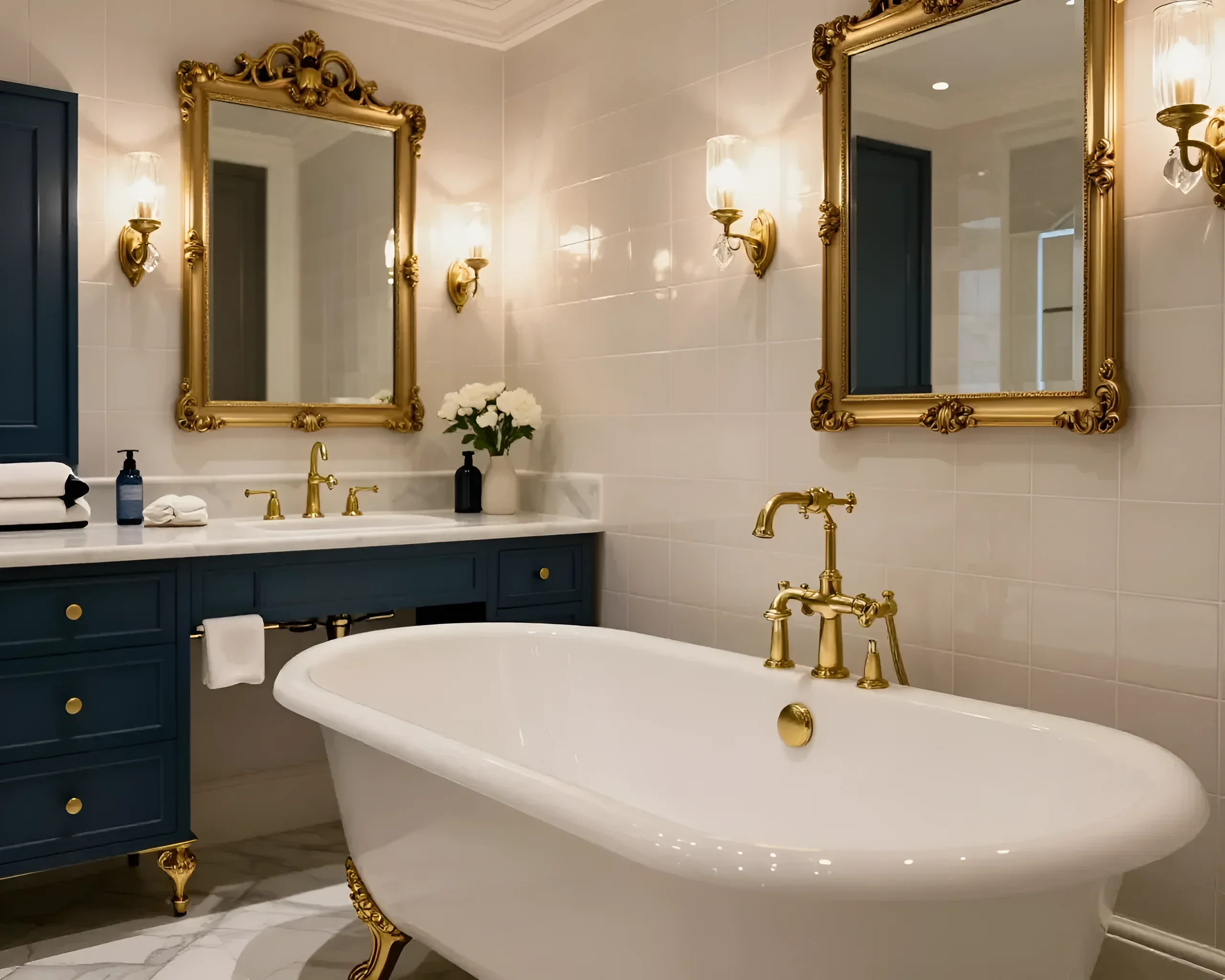
Classic style can be adapted to modern conditions. Here are a few examples of completed projects:
- Project 1: Classic Living Room in an Apartment – used white walls, gold accents, a massive sofa, and a framed mirror. The layout is symmetrical, with a fireplace in the center. Result: an elegant and cozy living room.
- Project 2: Classic Bedroom in a House – used beige walls, brown furniture, linen curtains, and ceramic vases. The layout features zoning: a sleeping area and a relaxation area. Result: a calm and harmonious bedroom.
- Project 3: Classic Kitchen in an Apartment – used gray walls, green accents, wooden furniture, and glass fronts. The layout includes zoning: a cooking area and a dining area. Result: a functional and stylish kitchen.
These examples show that classic style can be adapted to any conditions and budget. The main thing is to follow the principles and avoid common mistakes.
FAQ and Interesting Facts About Classic and Traditional Styles
FAQ:
- Question: Can classic style be used in a small apartment?
Answer: Yes, it can. The main thing is to use light colors, minimalist decor, and compact furniture. - Question: How much does it cost to create a classic interior?
Answer: The cost depends on materials, furniture, and decor. You can create a classic interior with a budget ranging from 500,000 rubles to several million. - Question: How long does a classic interior last?
Answer: A classic interior can last for decades if the materials and furniture are chosen correctly.
Interesting facts:
- Classic style was popular in Europe from the 17th to the 19th century.
- Baroque was inspired by the Italian Renaissance.
- Provence became popular in Russia in the late 20th century.
- Classic style is used in the interiors of palaces, museums, and hotels worldwide.
Classic and traditional styles are not just a trend. They are a philosophy that creates a sense of home, coziness, and elegance. If you want to create an interior that will serve generations, then classic is your choice.
Рекомендуем:
 The Perfect Lounge Chair: From Classic to High-Tech – A Complete Guide
 Art Deco Colors: Black, Gold, Emerald, Burgundy – Luxury and Practical Tips for Your Interior
 20 Non-Obvious Ideas for a Classic Living Room Interior: From Baroque to Neoclassicism
 Classic Kitchen: From Layout to Decor – A Practical Guide
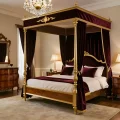 Classic Bedroom Design: Photo Gallery of the Best Examples and Practical Tips
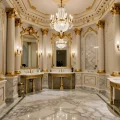 Empire Style Bathroom: Luxury and Grandeur in Details
 Wall Cladding with Wood Paneling: A Step-by-Step Guide
 How to Make a Brick Wall in an Interior (Imitation)
 Bark Beetle Decorative Plaster: Application Technology
 Photo Gallery: Best Examples of Scandi-Style Upholstered Furniture Design — Practical Solutions for Your Home
Art-Déco-Farben: Schwarz, Gold, Smaragd, Bordeaux – Luxus und praktische Tipps für Ihr Interieur
 Ideal Studio Layout: How to Divide Zones Without Walls and Save Space
 How to Update Old Tiles Without Removing Them: 99 Ways to Transform Your Bathroom and Kitchen
 Washable wallpaper for the kitchen: why it’s the best idea for your renovation?
 Internal Wall Insulation: Materials and Technology
 Living Furniture from Mycelium and Algae: The New Luxury in Interior Design
 Nautical Style in Interior Design: How to Create a Coastal Atmosphere in a City Apartment
 Art Deco Mirrors: Geometry and Luxury That Transform Interiors
 Interior Layout and Zoning: An Expert Guide to Creating Functional Space
 Liquid Wallpaper: Pros, Cons, and Application Technology
