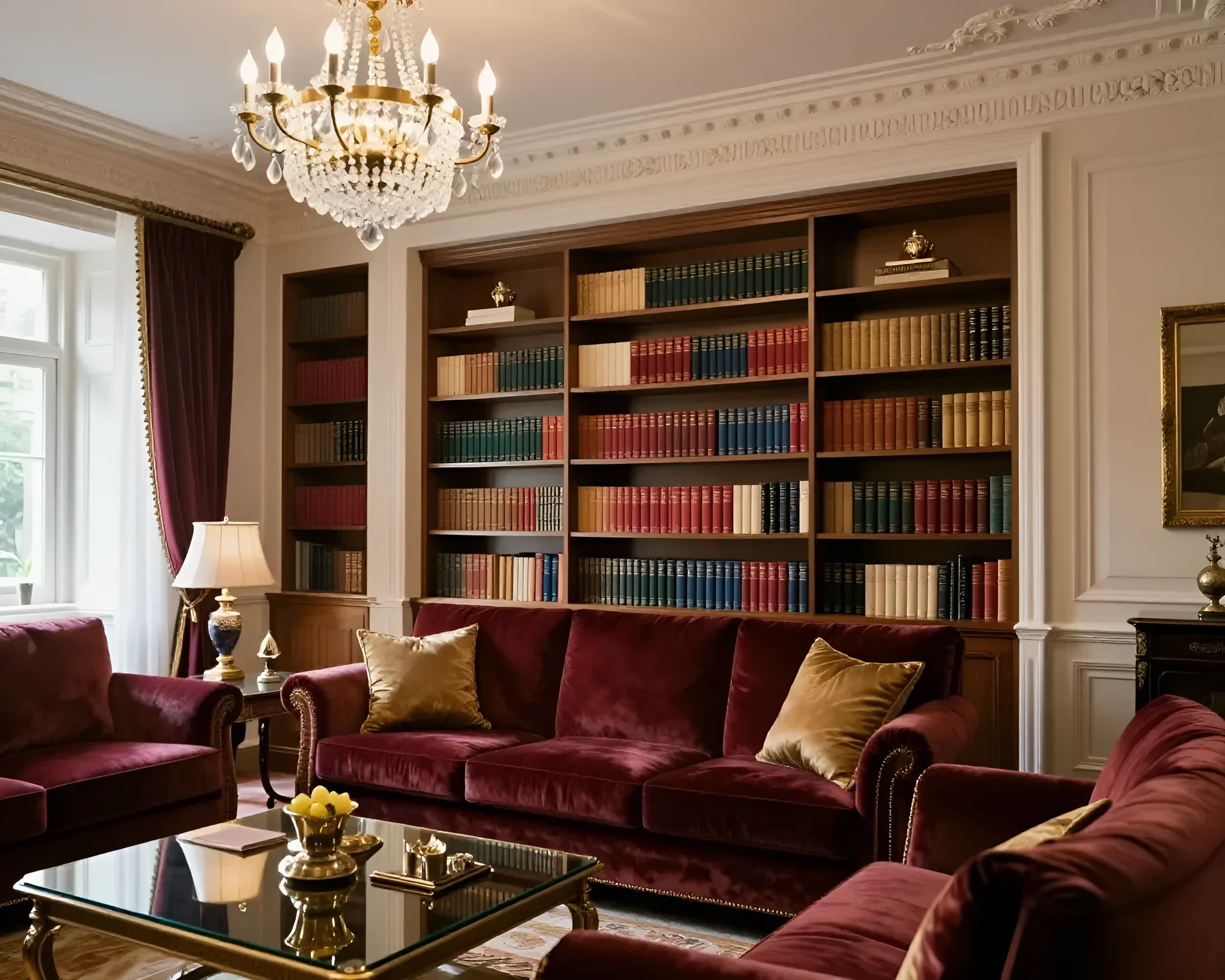
A classic living room interior is not just a nod to fashion, but a choice for those who appreciate timeless beauty, harmony, and functionality. In 2023, this style remains relevant due to its ability to combine tradition with modern technologies and ergonomics. Today, we will explore 20 non-obvious solutions to help you create a unique and practical classic-style living room.
What is a Classic Living Room Interior and Why is it Relevant in 2023
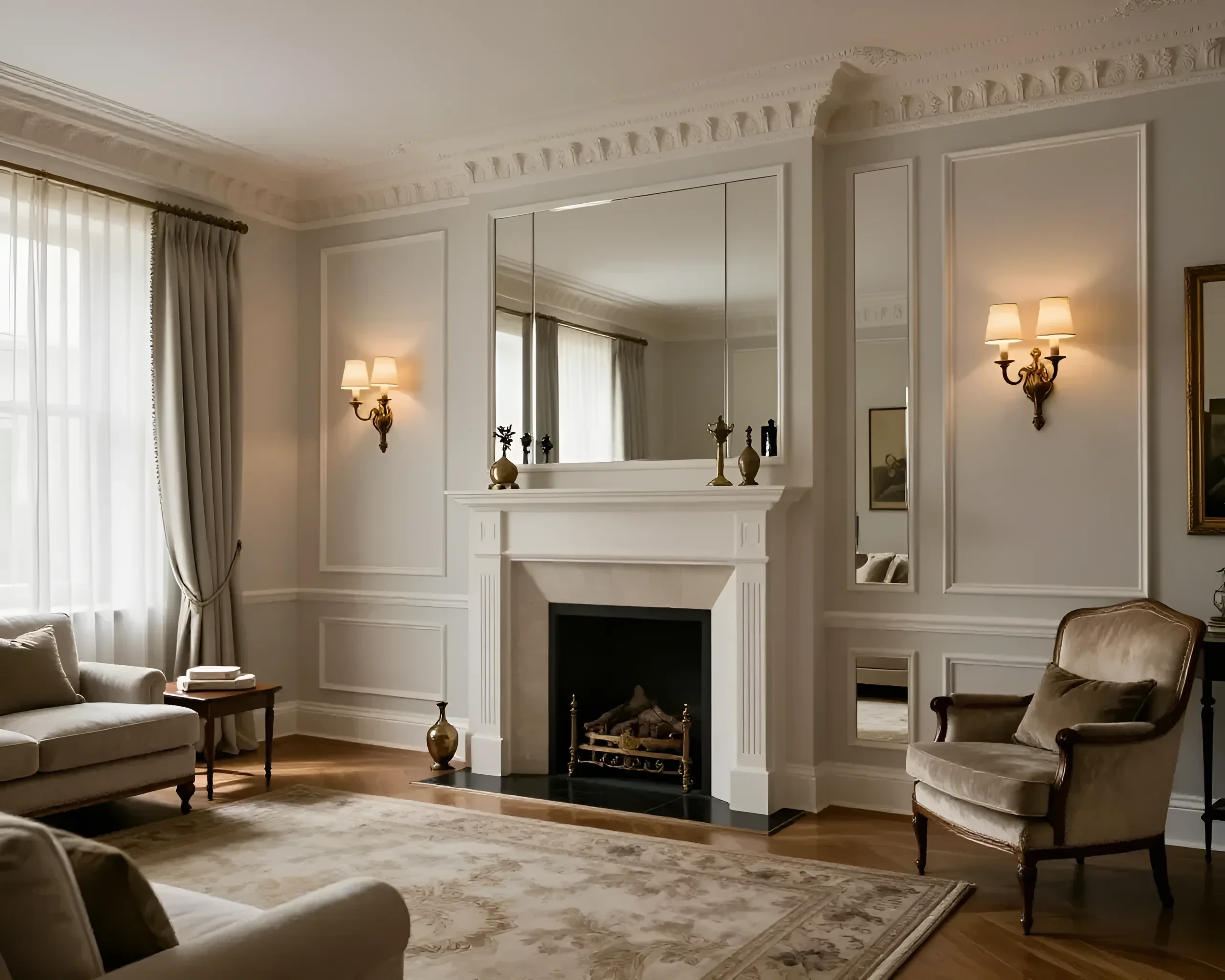
A classic living room interior is a style based on the principles of symmetry, proportion, and the use of natural materials. It incorporates elements of Baroque, Rococo, Empire, and Neoclassicism, adapted for modern living conditions. The relevance of this style in 2023 is due to its versatility: it suits both small apartments and spacious country houses. Moreover, classic style easily combines with modern elements, making it flexible and adaptable.
20 Non-Obvious Ideas for Creating a Classic Living Room Interior
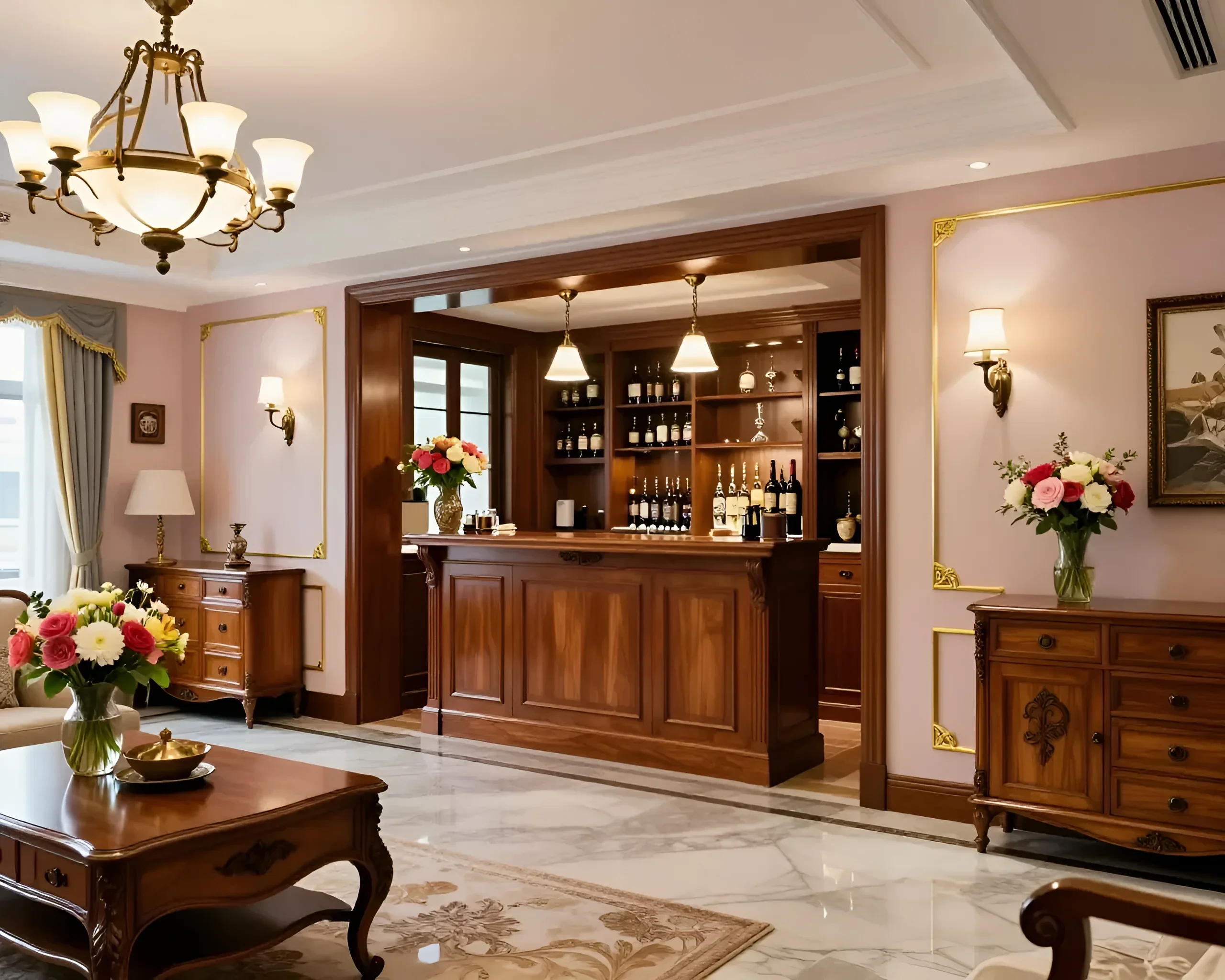
Here are 20 ideas to help you create a unique and functional classic-style living room:
- Use of Gold-Framed Mirrors: Mirrors not only visually enlarge the space but also add luxury. For example, a gold-framed mirror above the fireplace will create a sense of depth.
- Natural Wood Panels: Oak or walnut panels on the walls will give the living room a warm and cozy look. They can be combined with striped wallpaper for contrast.
- Curtains with Tie-backs: Velvet or satin curtains with tie-backs will add elegance. Choose fabrics with patterns that match the overall style of the room.
- Marble Fireplaces: A marble-finished fireplace will become the focal point of the living room. Use white or gray marble to create contrast with dark walls.
- Furniture with Carved Legs: Solid wood furniture with carved legs will emphasize the classic style. For example, a sofa with carved legs and soft cushions will create comfort and luxury.
- Ceiling Medallions: Plaster ceiling medallions will add sophistication. They can be painted white or left in their natural shade.
- Herringbone Parquet Flooring: Herringbone parquet flooring will create a sense of spaciousness and elegance. Choose light tones to create an airy feel.
- Chandeliers with Crystal Pendants: Chandeliers with crystal pendants will add sparkle and luxury. Choose multi-tiered models to create volume.
- Bookshelves with Decorative Elements: Bookshelves with decorative elements like columns or cornices will create a library feel.
- Embroidered Textiles: Embroidered textiles, such as cushions or throws, will add coziness and individuality.
- Frescoed Walls: Frescoed walls will create an ancient palace atmosphere. Choose subjects that match the overall style of the room.
- Furniture with Lacquered Surfaces: Furniture with lacquered surfaces will add shine and modernity. For example, a lacquered coffee table with a mirrored top.
- Decorative Vases with Antique Motifs: Decorative vases with antique motifs will add historical depth. Choose ceramic or glass vases.
- Carpet with Geometric Pattern: A carpet with a geometric pattern will create a contrast with the soft lines of the furniture. Choose carpets with patterns that match the overall style of the room.
- Walls with Panels: Walls with decorative panels will create an accent in the room. Choose panels with subjects that match the overall style of the room.
- Furniture with Leather Upholstery: Furniture with leather upholstery will add luxury and comfort. Choose natural-colored leather for harmony.
- Decorative Columns: Decorative columns will create a sense of grandeur. They can be used for space zoning.
- Walls with Stucco Molding: Walls with stucco molding will add sophistication. Choose molding with patterns that match the overall style of the room.
- Furniture with Mirrored Inserts: Furniture with mirrored inserts will create a sense of depth. For example, a mirrored wardrobe with carved elements.
- Decorative Clocks: Decorative clocks with antique motifs will add historical depth. Choose clocks with a dial that matches the overall style of the room.
Stylistic Directions of Classicism: From Baroque to Neoclassicism
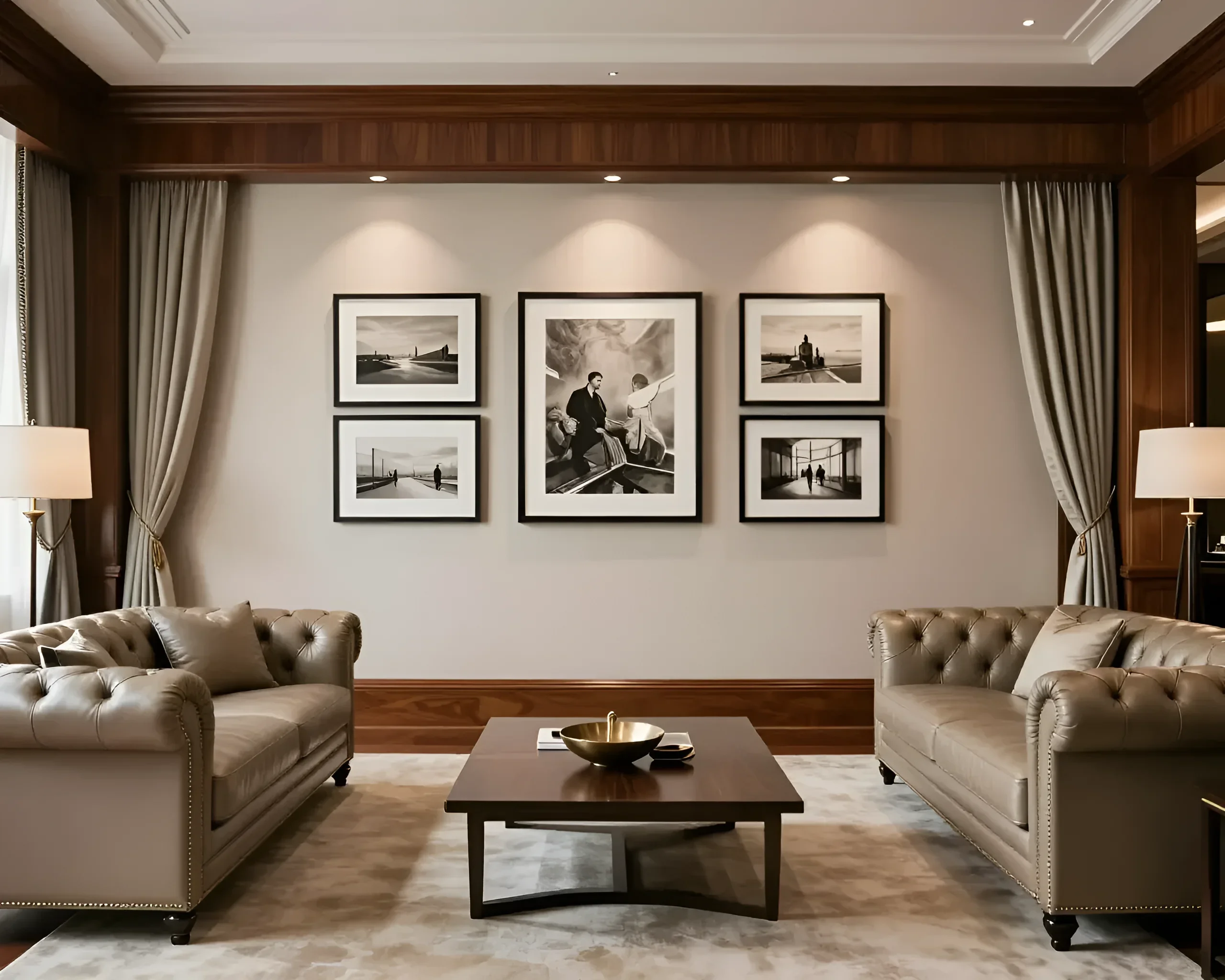
A classic interior encompasses several stylistic directions, each with its own characteristics:
- Baroque: Characterized by opulence, abundant decor, and the use of gold elements. For example, chandeliers with numerous pendants and carved furniture.
- Rococo: A lighter and more playful style, using pastel tones and floral motifs. For example, frescoed walls and furniture with curved lines.
- Empire: A strict and monumental style, using dark tones and antique motifs. For example, walls with columns and furniture with carved elements.
- Neoclassicism: A modern interpretation of classicism, using minimalist forms and natural materials. For example, furniture with straight lines and walls with wood panels.
Materials and Color Schemes for a Classic Living Room
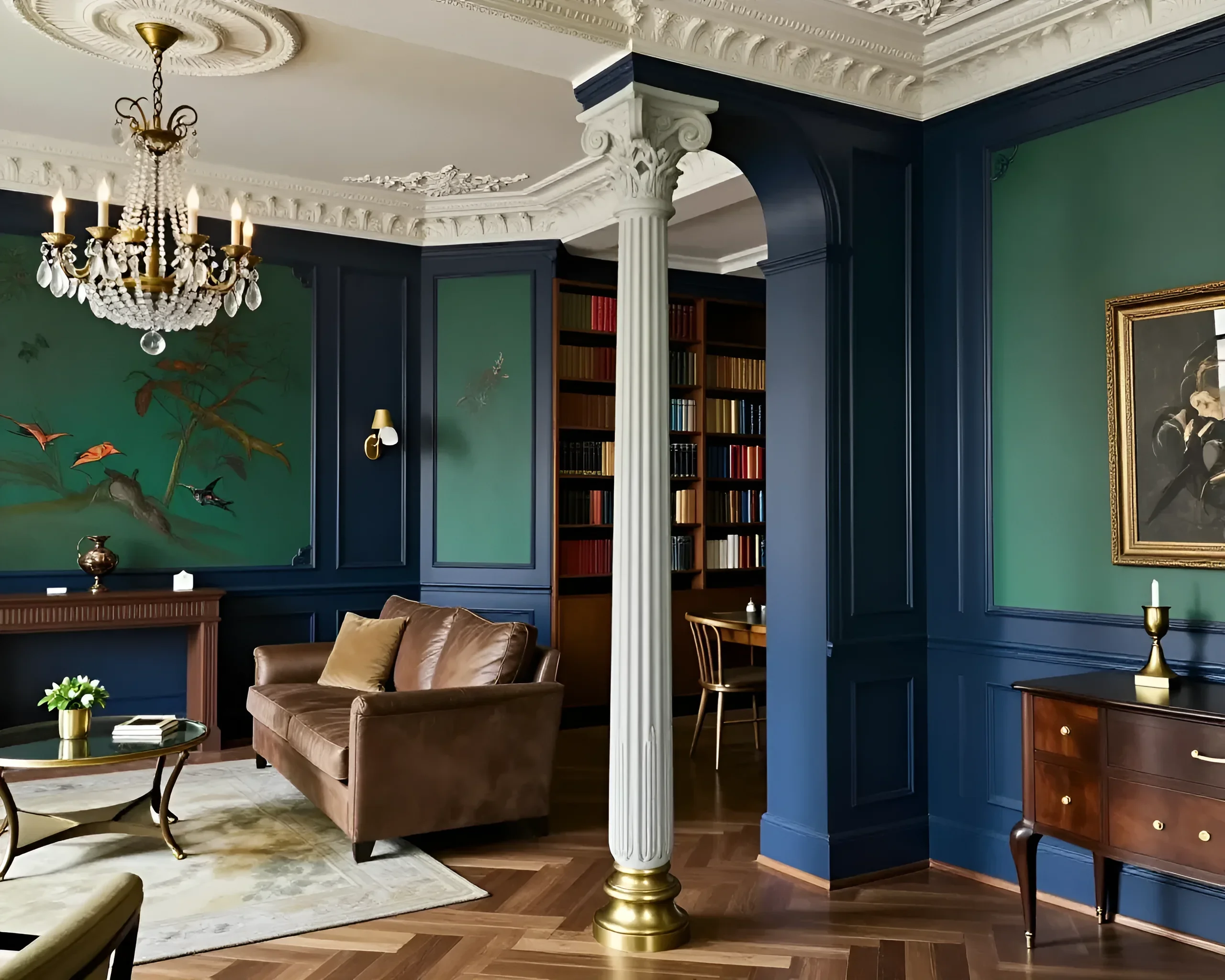
The choice of materials and color schemes plays a key role in creating a classic interior:
- Materials: Natural wood, marble, plaster, velvet, satin, leather. For example, oak parquet flooring, a marble fireplace, plaster molding, velvet curtains, satin cushions, leather furniture.
- Color Schemes: Warm tones (beige, cream, gold), cool tones (gray, blue, green), contrasting combinations (black and white, dark and light). For example, beige walls with gold accents, a gray floor with white walls, dark furniture with light cushions.
Layout and Zoning in the Classic Style
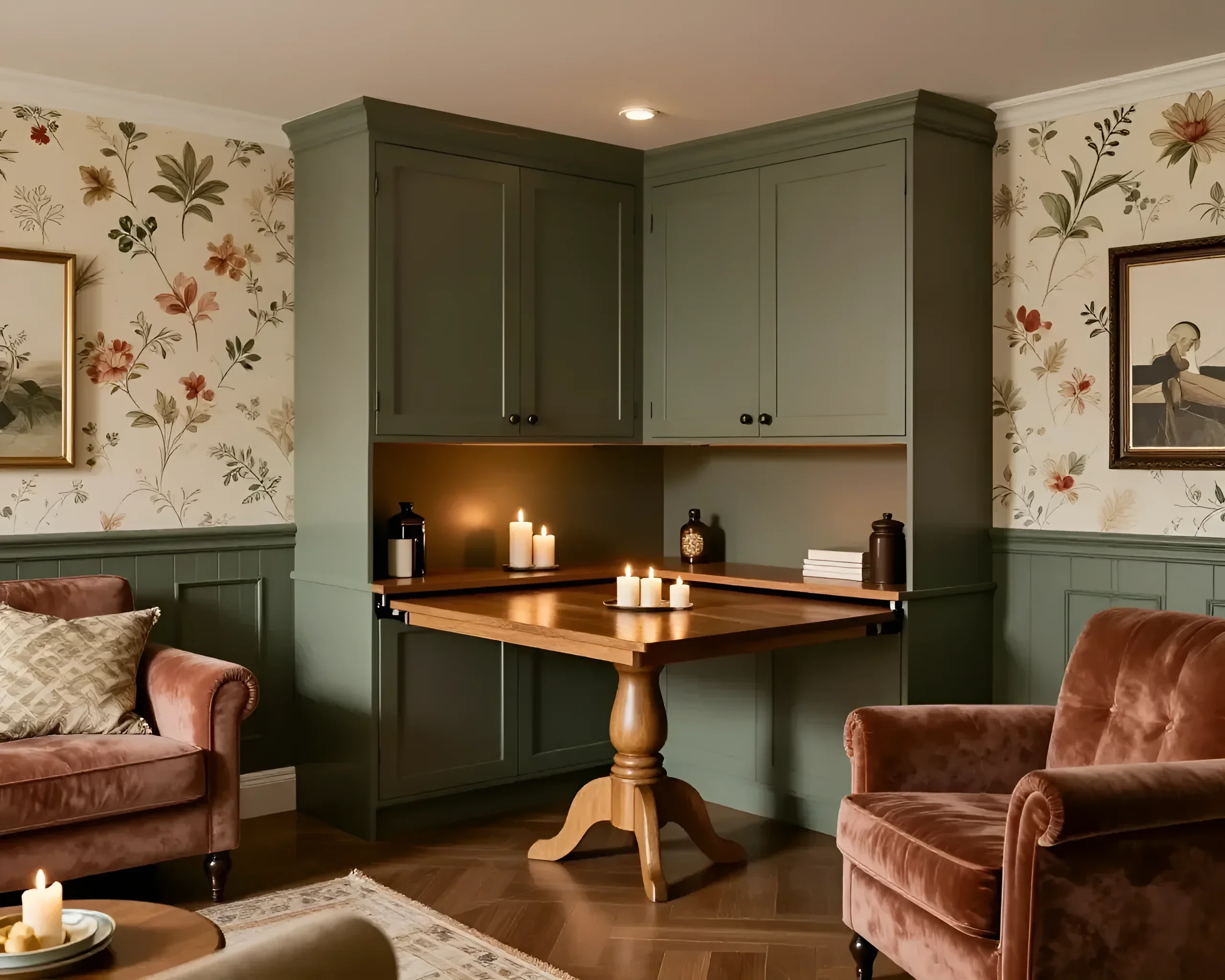
Layout and zoning in the classic style should be meticulously planned:
- Focal Point: A fireplace, chandelier, or artwork should be the central element of the room. For example, a marble fireplace on the center of the wall.
- Zoning: Use furniture, rugs, and decorative elements to zone the space. For example, a sofa and armchairs for the relaxation area, a table and chairs for the work area.
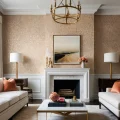
- Symmetry: Classic style requires symmetry. For example, two armchairs on either side of the fireplace, two lamps on either side of the sofa.
Practical Tips for Decorating a Classic Living Room
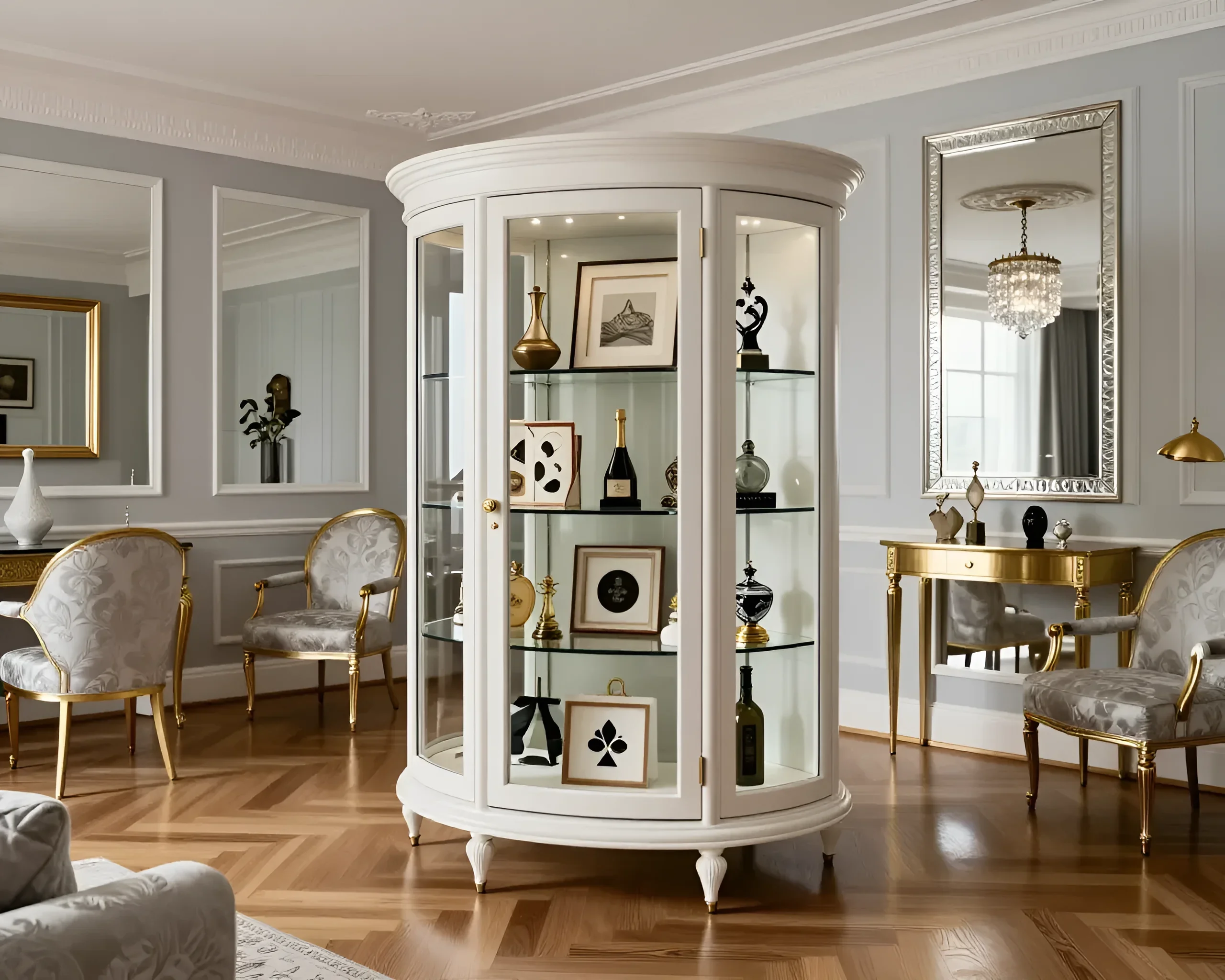
Here are some practical tips for decorating a classic living room:
- Do Not Overload the Space: Avoid excessive decoration to prevent cluttering the space. For example, use a minimal number of decorative elements.
- Consider Lighting: Proper lighting plays a key role. For example, use multi-tiered chandeliers and floor lamps to create soft light.
- Choose Quality Materials: Quality materials will last longer and create a more refined look. For example, natural wood instead of plastic, marble instead of artificial stone.
Common Mistakes When Creating a Classic Interior
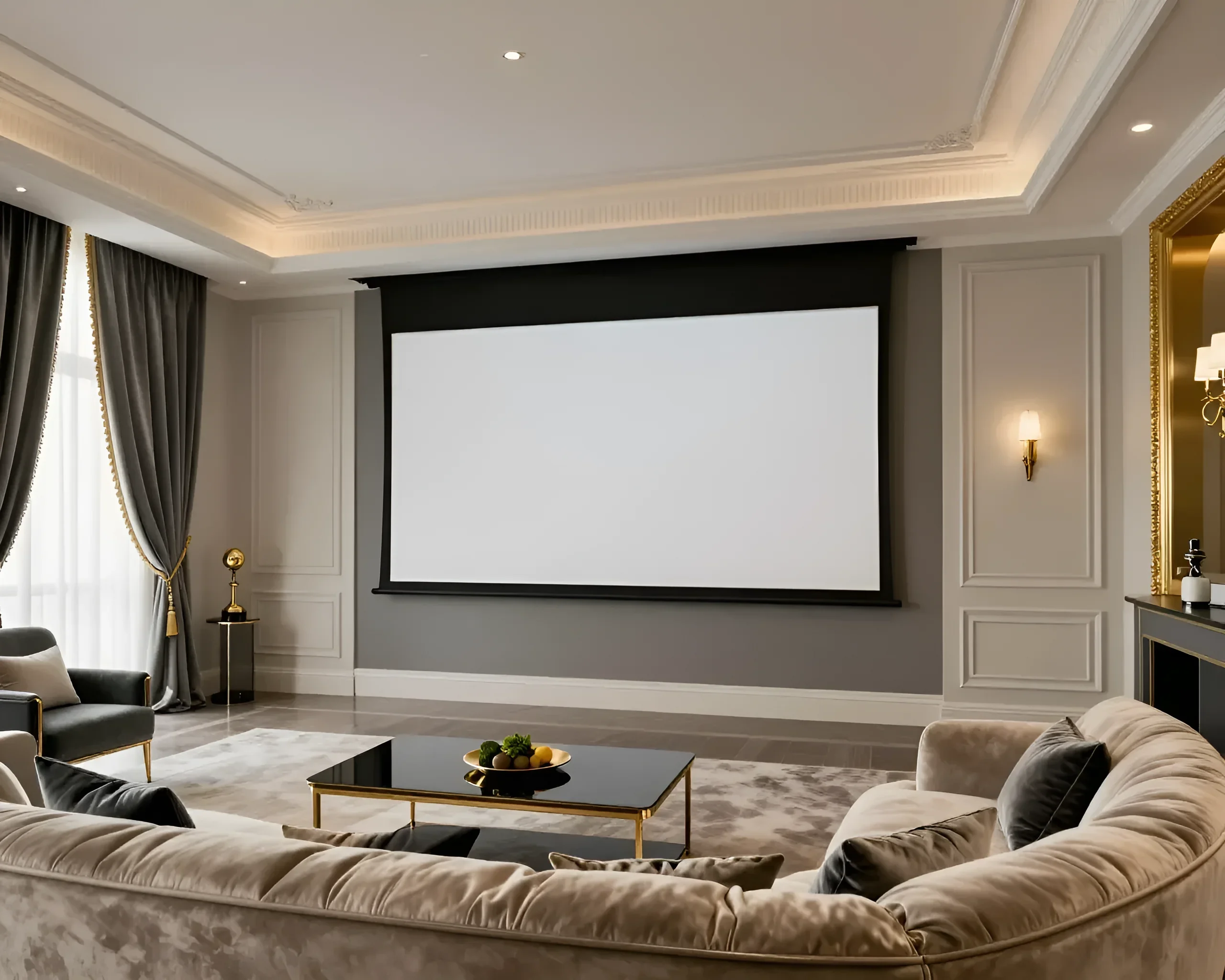
Here are some common mistakes to avoid:
- Excessive Decoration: Too much decor can overload the space. For example, too many paintings, vases, and figurines.
- Improper Lighting: Incorrect lighting can spoil the impression of the interior. For example, light that is too bright or too dim.
- Low-Quality Materials: Low-quality materials can spoil the impression of the interior. For example, plastic instead of natural wood, artificial stone instead of marble.
Examples of Implemented Classic Living Room Projects
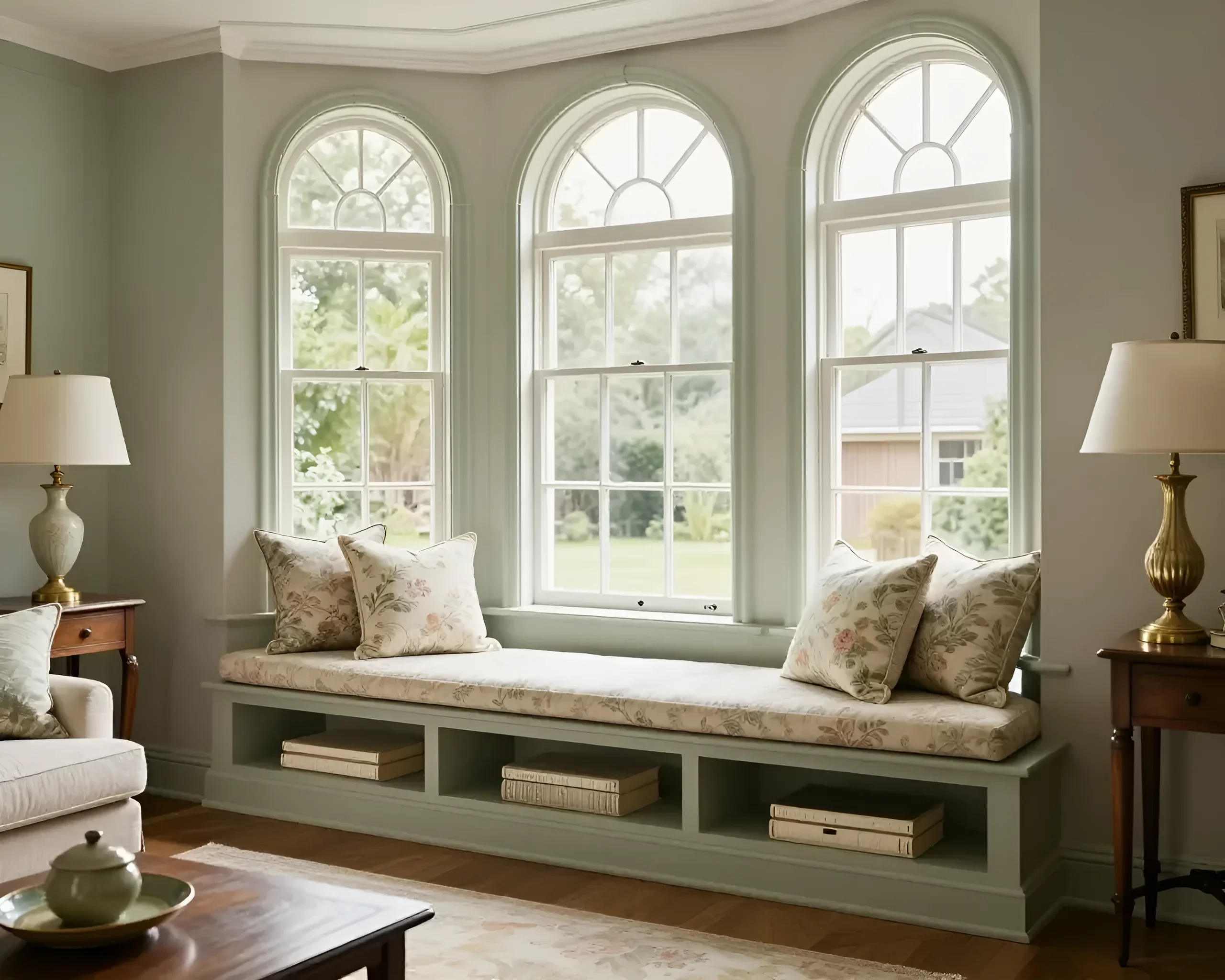
Here are some examples of implemented classic living room projects:
- Project 1: Baroque-style living room with a marble fireplace, gold accents, and velvet curtains.
- Project 2: Rococo-style living room with pastel tones, floral motifs, and curved furniture lines.
- Project 3: Empire-style living room with dark tones, antique motifs, and carved furniture elements.
- Project 4: Neoclassical-style living room with minimalist forms, natural materials, and straight furniture lines.
FAQ: Answers to Popular Questions About Classic Interiors
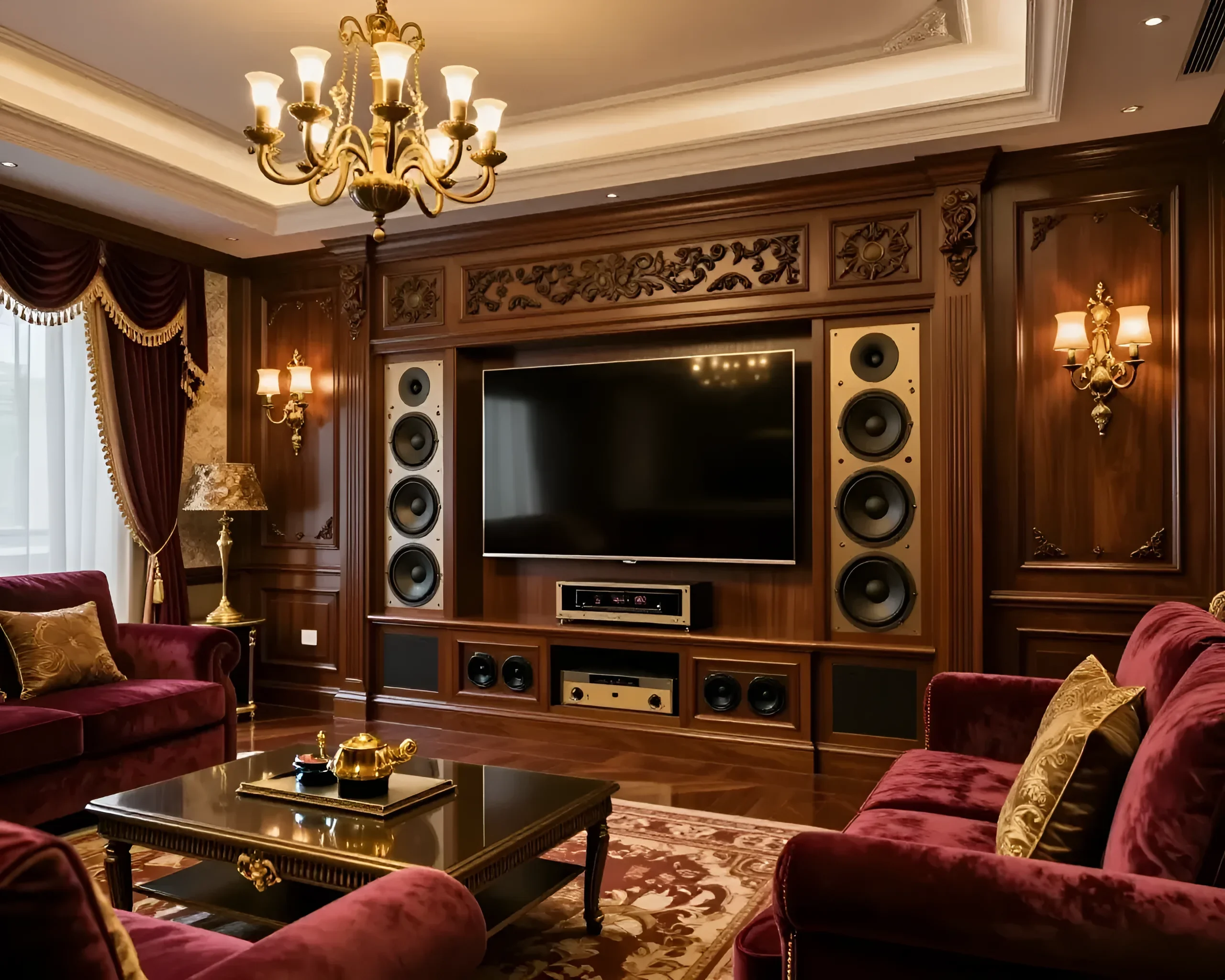
Here are answers to popular questions about classic interiors:
- Question 1: How to choose materials for a classic interior? Answer: Choose natural materials such as wood, marble, plaster, velvet, satin, leather.
- Question 2: What color schemes are suitable for a classic interior? Answer: Warm tones (beige, cream, gold), cool tones (gray, blue, green), contrasting combinations (black and white, dark and light).
- Question 3: How to zone space in a classic style? Answer: Use furniture, rugs, and decorative elements to zone the space.
Interesting Facts About Classic Interior Design
Here are some interesting facts about classic interior design:
Рекомендуем:
 Wall Cladding with Wood Paneling: A Step-by-Step Guide
 The Perfect Lounge Chair: From Classic to High-Tech – A Complete Guide
 Art Deco Colors: Black, Gold, Emerald, Burgundy – Luxury and Practical Tips for Your Interior
 Classic Kitchen: From Layout to Decor – A Practical Guide
 Classic and Traditional Interior Styles: A Complete Guide
 Empire Style Bathroom: Luxury and Grandeur in Details
 Classic Bedroom Design: Photo Gallery of the Best Examples and Practical Tips
 Bark Beetle Decorative Plaster: Application Technology
 How to Make a Brick Wall in an Interior (Imitation)
 DIY Decorative Stone Wall Installation: Your Guide to Home Transformation
 DIY Venetian Plaster: Is It Possible?
 Internal Wall Insulation: Materials and Technology
 MDF Panel Wall Finishing: Installation Guide
 Washable wallpaper for the kitchen: why it’s the best idea for your renovation?
 Which Tile to Choose for a Small Bathroom: Color, Size, Texture, and Space-Expanding Secrets
 Living Furniture from Mycelium and Algae: The New Luxury in Interior Design
 How to Update Old Tiles Without Removing Them: 99 Ways to Transform Your Bathroom and Kitchen
 PVC Wall Panels: Cheap and Cheerful. Installation Guide
 How to Hang Vinyl Wallpaper on a Paper Backing?
 Art Deco Mirrors: Geometry and Luxury That Transform Interiors
