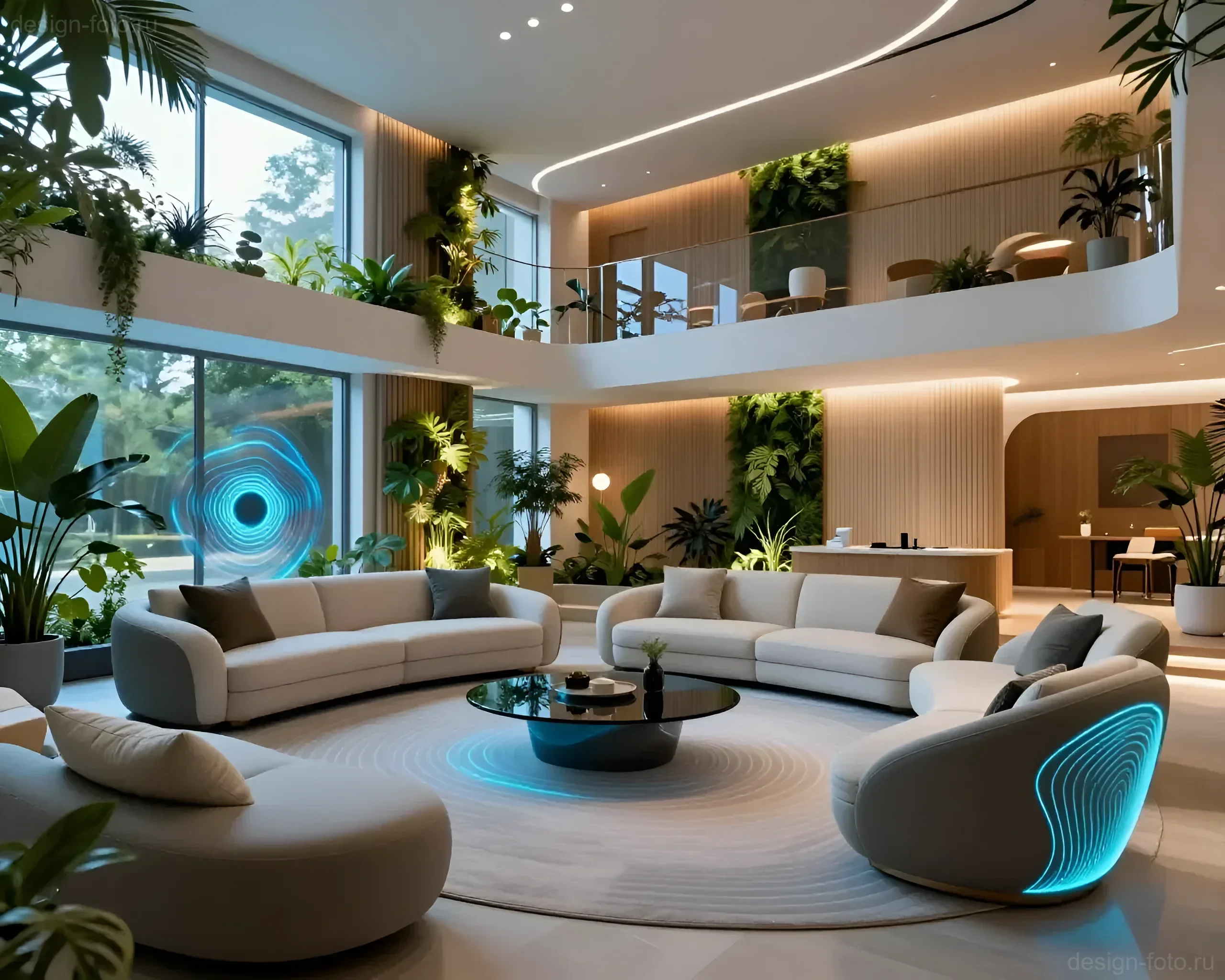
The summer of 2026 has brought not only heat but also a new wave in residential space design – neuroarchitecture. This is not just a trendy word, but a science that studies how the physical environment affects our brain function, stress levels, and ability to concentrate. If previously we chose furniture by color or style, now we choose it based on how it will affect our nervous system. In this article, I will explain how to use the principles of neuroarchitecture to make your home a tool for managing your state – whether it’s deep rest or maximum productivity.
What is Neuroarchitecture and Why it Will Be a Trend for Summer 2026
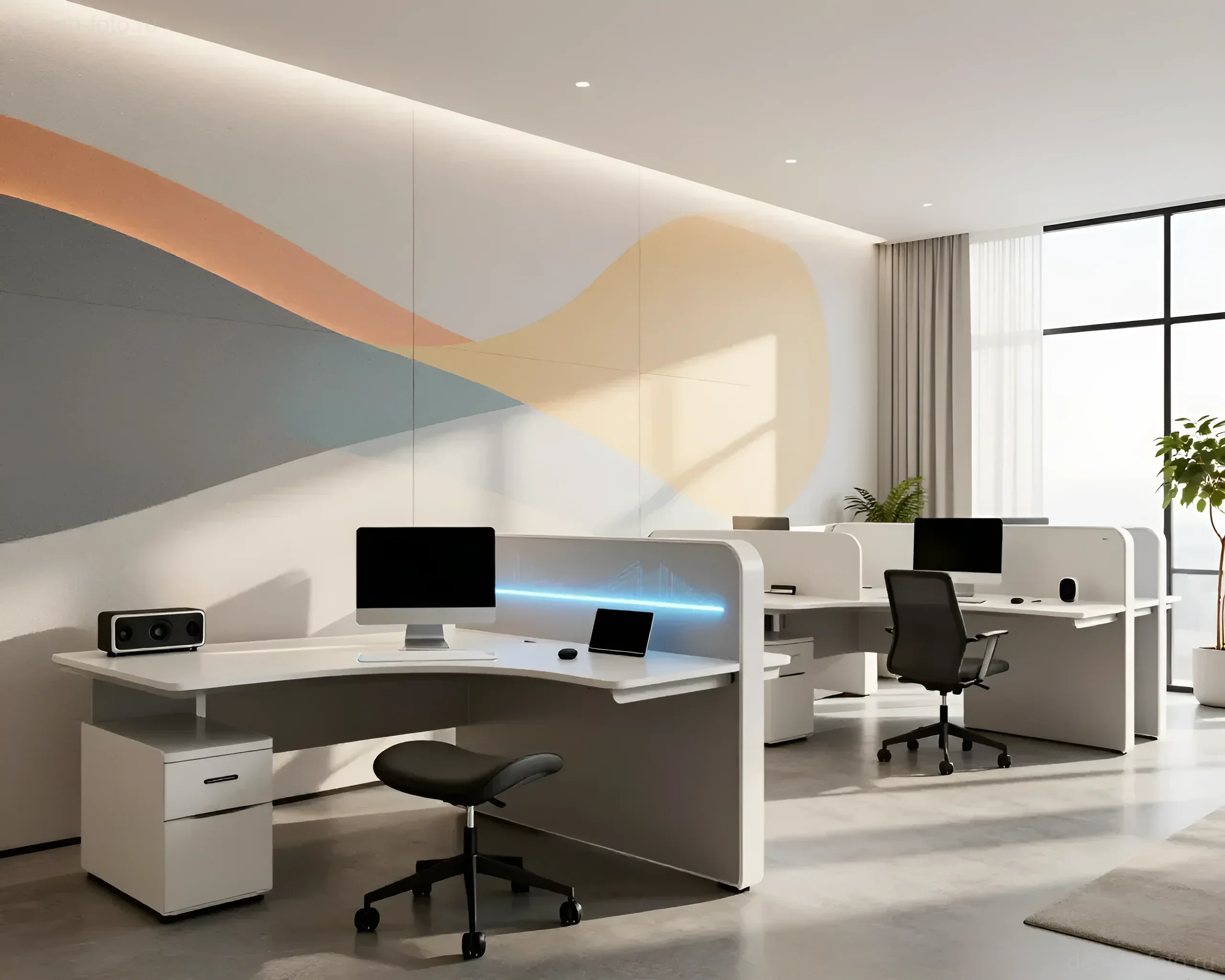
Neuroarchitecture is an interdisciplinary field that combines neurobiology, architecture, and psychology. It studies how the shape, light, color, and materials of a space activate or suppress certain brain areas. For example, studies show that rounded shapes reduce the activity of the amygdala – the center of fear and anxiety – while sharp corners can cause tension. In the summer of 2026, when people face mental overload due to climate change and digital noise, the right interior becomes not a luxury, but a necessity.
Why specifically the summer of 2026? Because during this period, there is a peak demand for « smart » home solutions that help adapt to external conditions. Neuroarchitecture offers not just beautiful design, but a functional space that works for you. For instance, a room with the right geometry and lighting can reduce cortisol levels by 30% within 15 minutes of being in it.
How Space Geometry Affects the Brain: Rounded Shapes vs. Sharp Corners
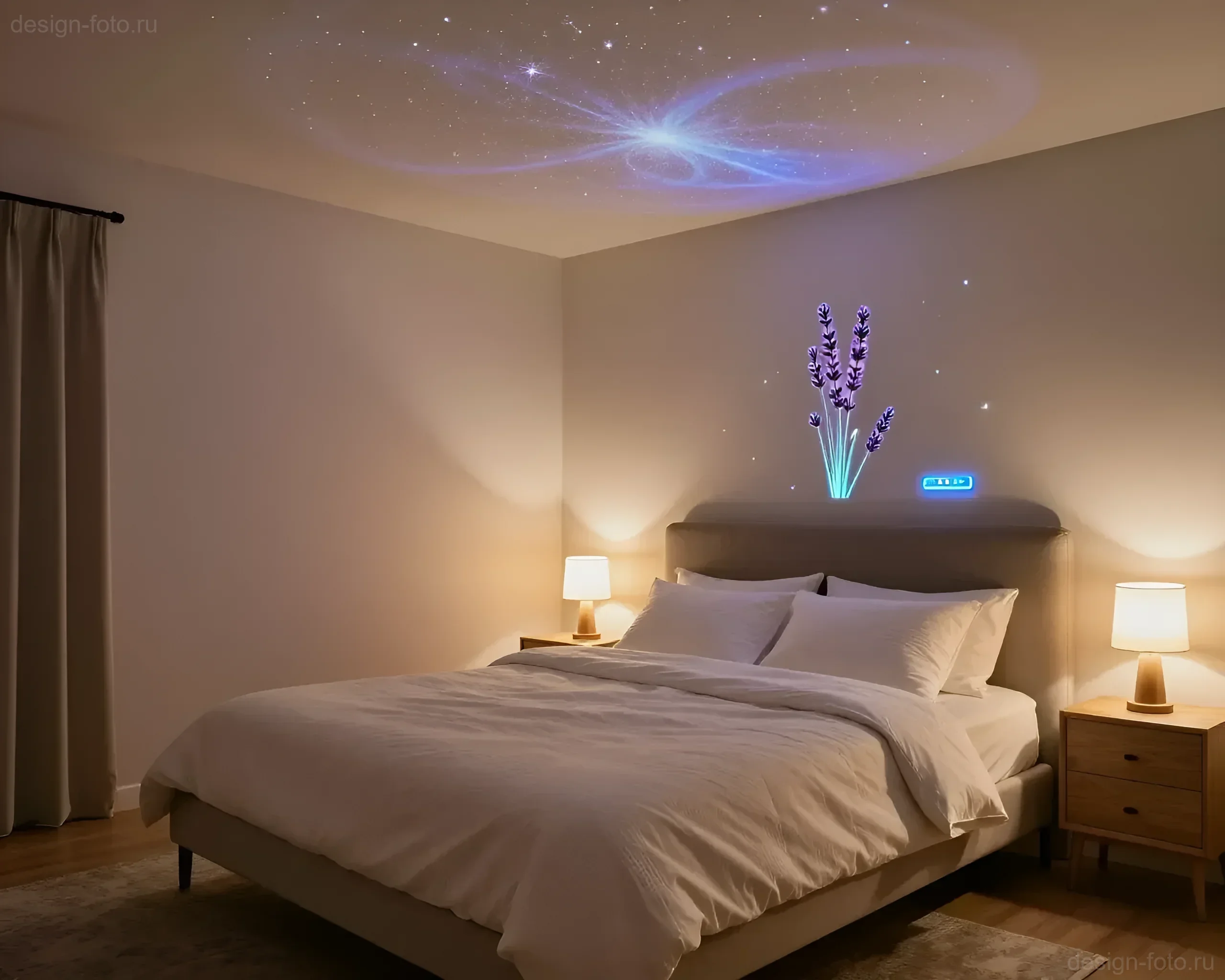
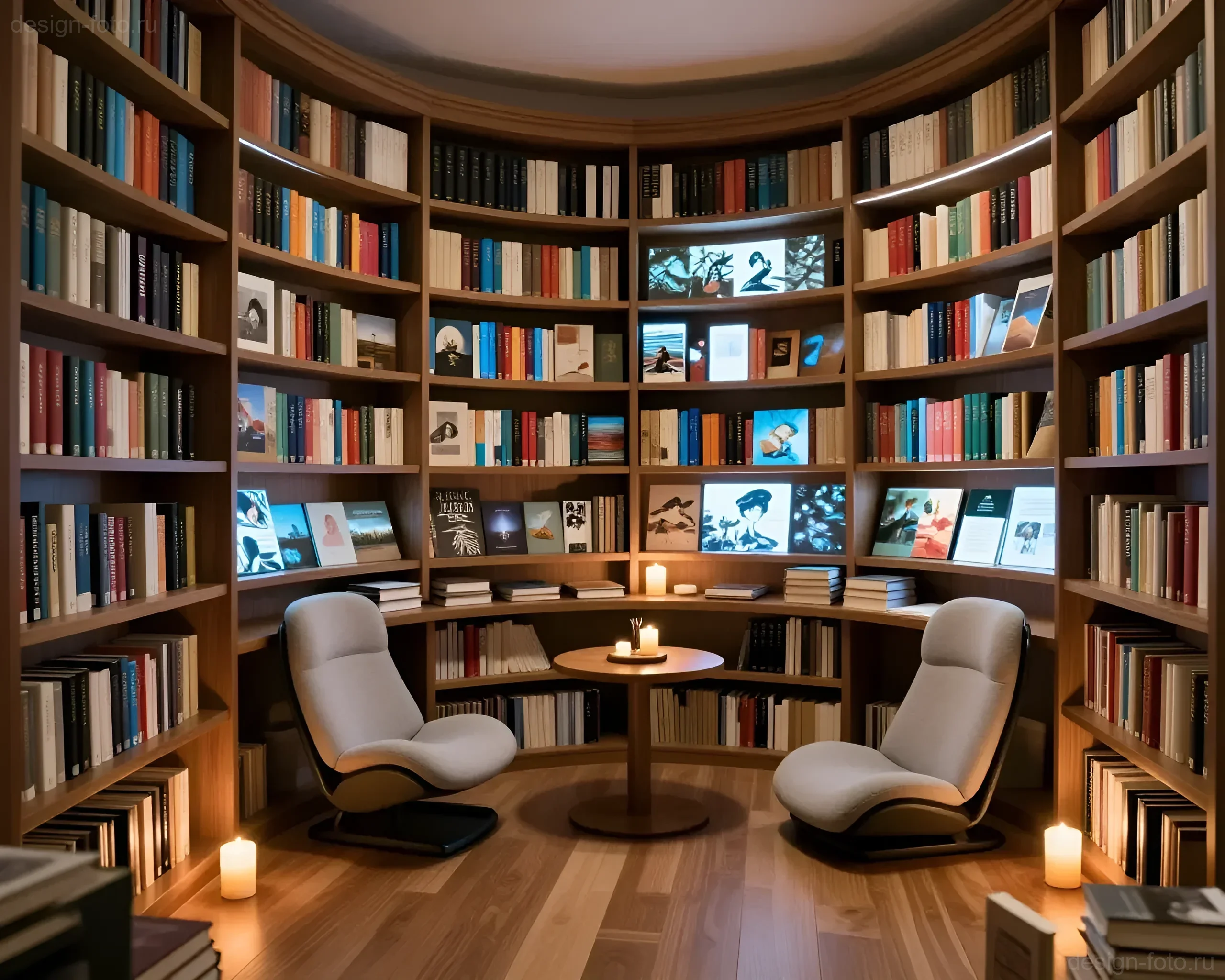
The geometry of a room is one of the key factors influencing psycho-emotional state. Rounded shapes, such as arches, rounded furniture corners, and curved walls, create a sense of security and calm. This is because our brain evolutionarily perceives smooth lines as safe, unlike sharp corners, which are associated with threat.
Examples from practice:
- In the bedroom, use a bed with rounded edges and a wardrobe without sharp corners. This will reduce anxiety before sleep.
- In the work area, avoid rectangular desks with sharp corners. It’s better to choose an oval or round table – it promotes a freer flow of thoughts.
- Decorative elements, such as round mirrors or arched niches, also help to « soften » the space.
Scientific data confirms: people in rooms with rounded geometry show 25% less stress compared to those in rooms with sharp corners.
Ceiling Height, Light, and Textures: Scientific Data on the Impact on Cortisol and Dopamine
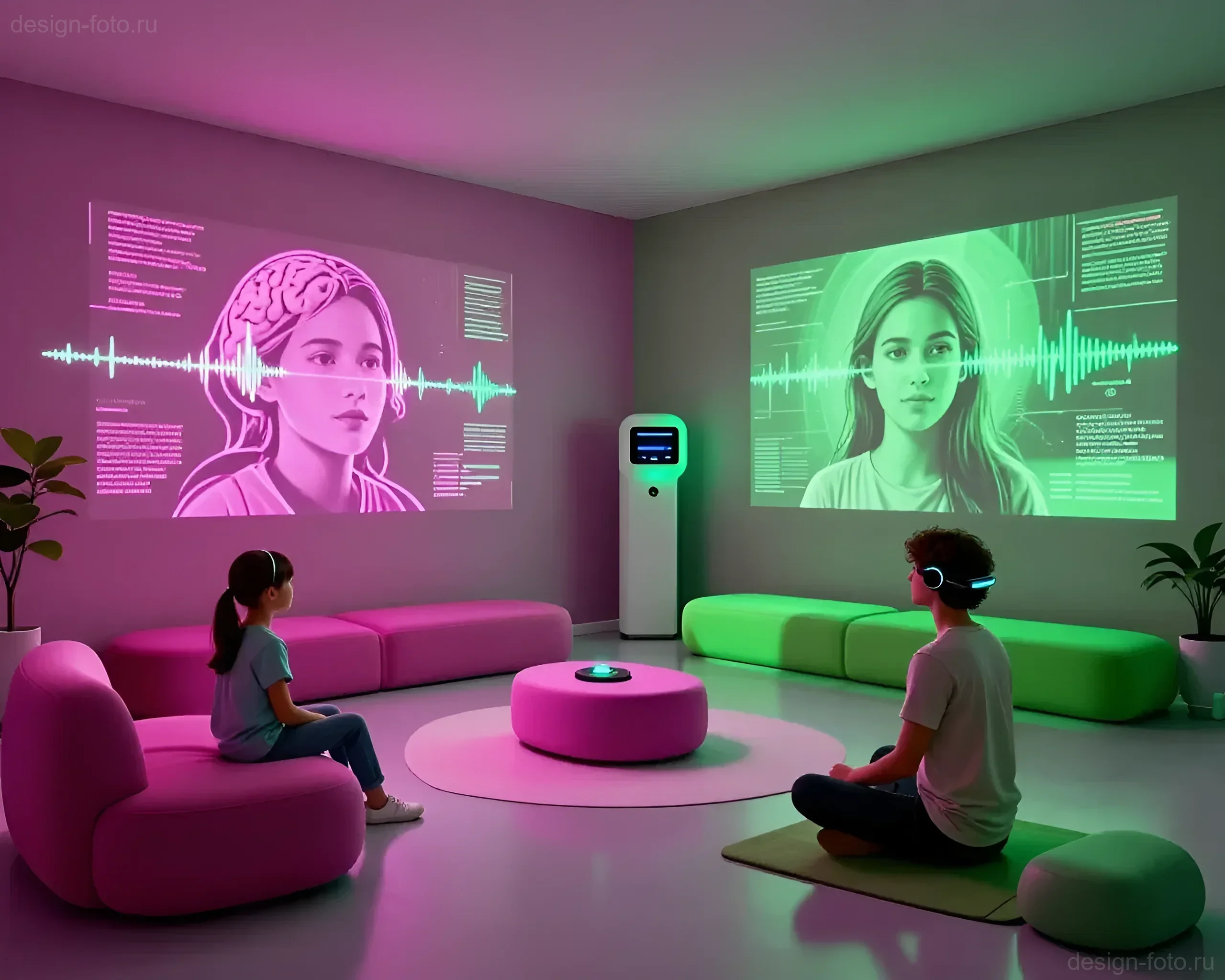
Ceiling height is another important parameter. High ceilings (3 meters and above) stimulate creative thinking and a sense of freedom, while low ceilings (up to 2.4 meters) create a feeling of coziness and security. For a relaxation area, it’s better to choose low ceilings, and for a work or creative zone – high ones.
Light plays a crucial role in regulating circadian rhythms and hormone production. Natural light, especially in the morning, increases dopamine levels and improves mood. Artificial lighting should be warm (2700–3000 K) in the evening and cool (4000–5000 K) during the day. It is important to use adjustable fixtures to adapt the lighting to the current state.
Surface textures also affect the brain. Rough, natural materials (wood, stone, linen) reduce cortisol levels, while smooth, artificial surfaces (plastic, glass) can cause tension. For example, a wooden floor in the bedroom creates a feeling of warmth and security, and a stone wall in the living room adds stability.
Color Solutions for Relaxation and Productivity: Palettes That Work in the Summer Period
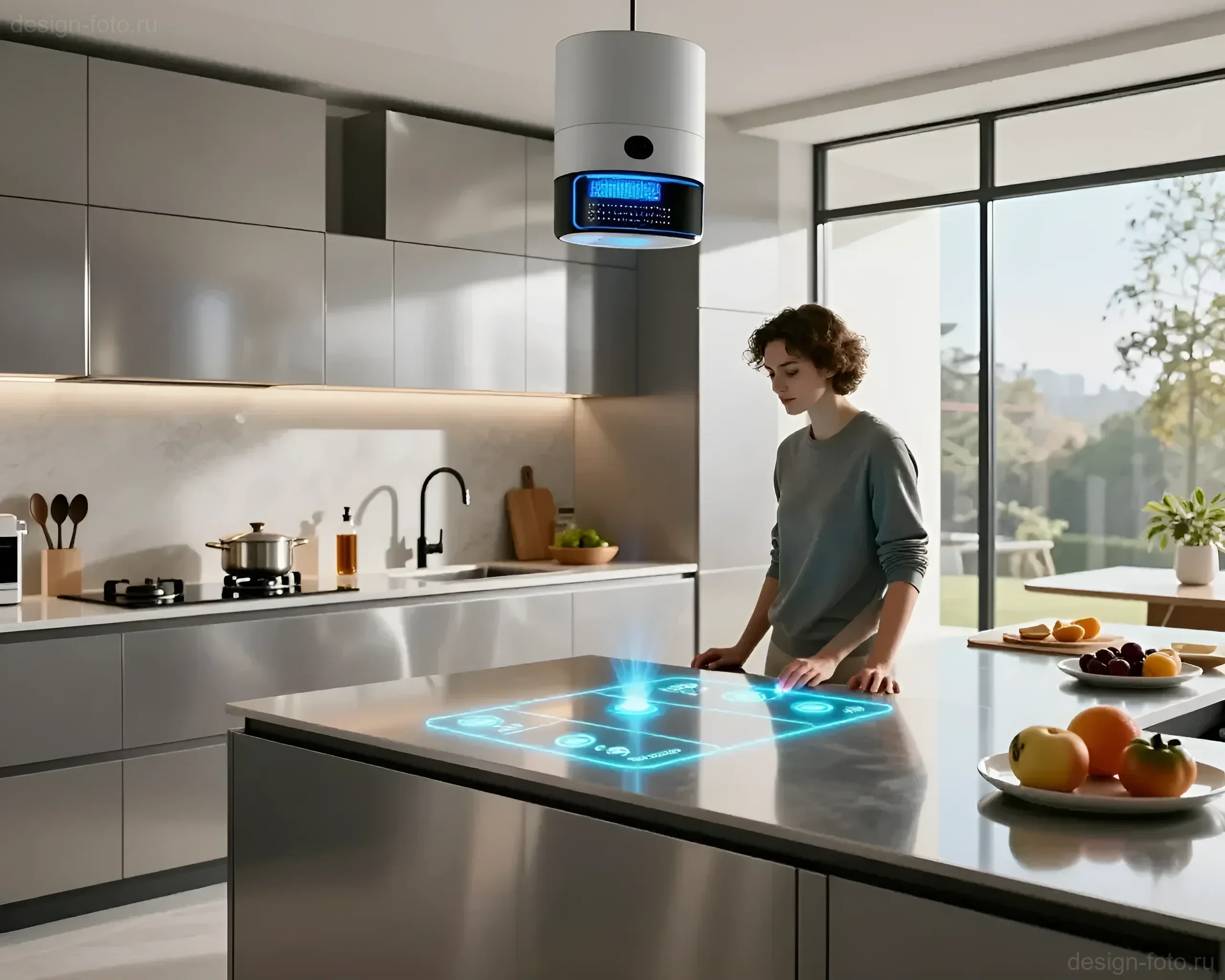
Color is a powerful tool for influencing emotions. In the summer of 2026, palettes that combine natural shades and soft tones are relevant. For relaxation areas, we recommend:
- Pastel green and blue tones – they are calming and lower blood pressure.
- Warm beige and cream shades – they create a sense of coziness and security.
- Muted gray tones – they help to concentrate and relax at the same time.
For the work area, it’s better to use:
- Bright but not aggressive colors (e.g., orange or yellow) – they stimulate activity and creativity.
- Cool blue and purple tones – they help to concentrate and reduce stress levels.
It’s important to remember: in summer, colors should be more saturated, but not overwhelming. Avoid bright red and black tones – they can cause tension.
Layout and Zoning for Brain Tasks: How to Organize Space for Focus or Relaxation
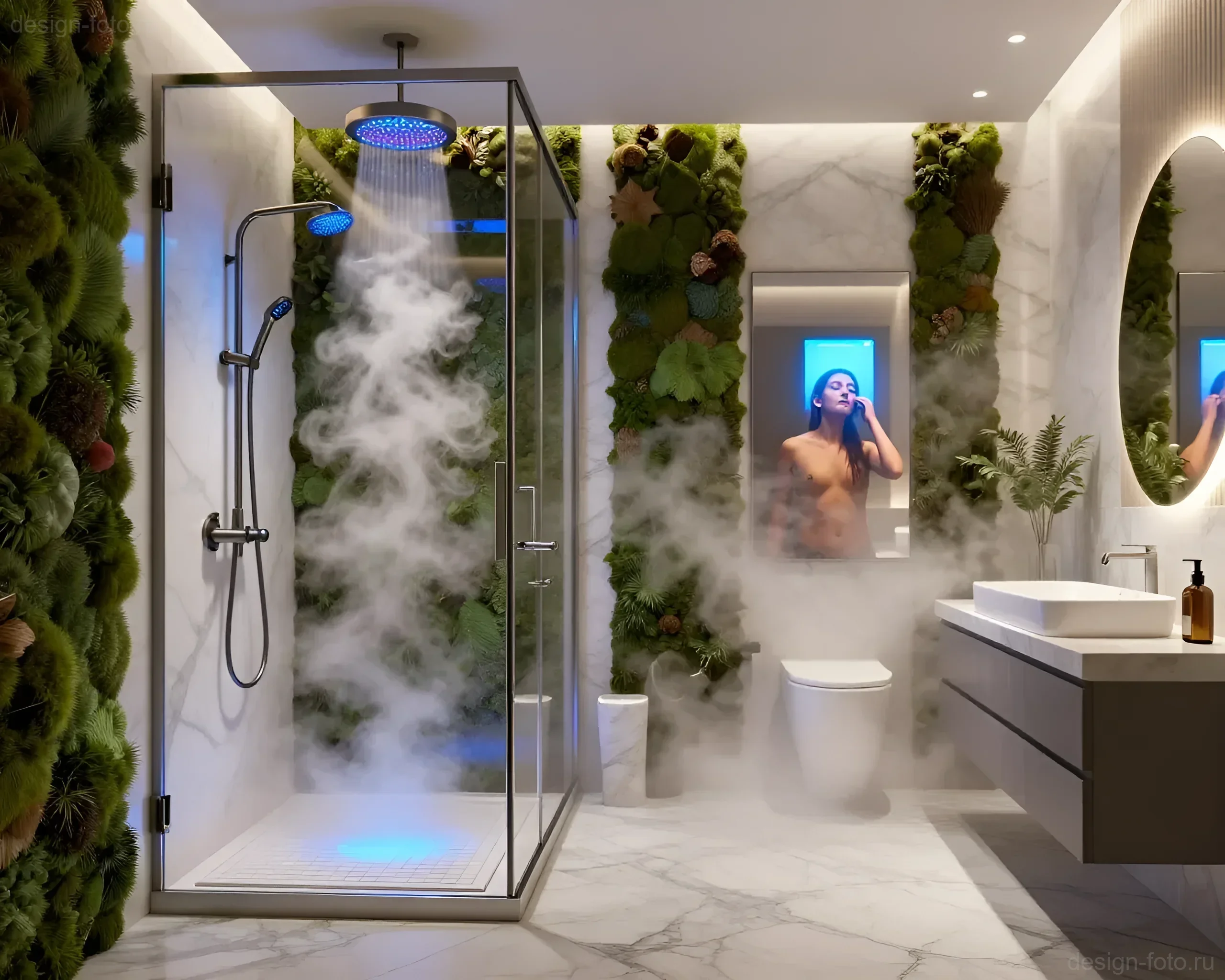
The layout of a room should correspond to its function. For a relaxation area, it’s better to choose a spacious room with minimal furniture and maximum natural light. For a work area – a compact space with good lighting and minimal distractions.
Zoning can be implemented using:
- Sliding partitions – they allow flexible space modification for current tasks.
- Transformable furniture – for example, a sofa bed or a transformer table.
- Textiles – curtains, rugs, and cushions help visually divide the space.
Example: in a studio apartment, a sliding partition can be used to separate the sleeping area from the work area. This will help the brain switch between rest and productivity modes.
Practical Tips for Implementing Neuroarchitecture Principles in Home Interiors
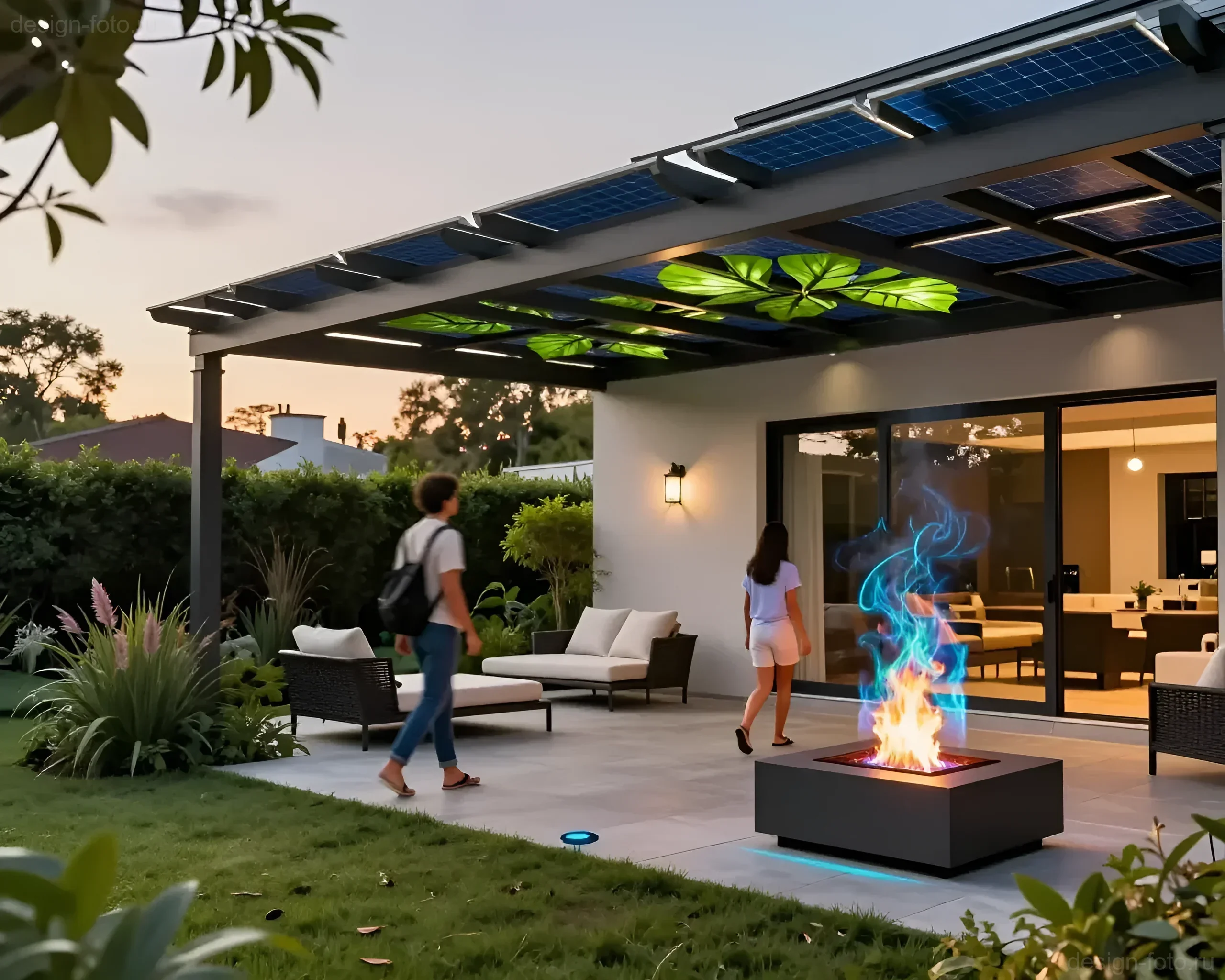
Implementing neuroarchitecture principles does not require a major renovation. Here are a few simple steps you can take today:
- Replace sharp furniture with rounded ones – for example, a round table instead of a rectangular one.
- Install adjustable lighting – use dimmers and LED strips.
- Add natural materials – wood, stone, linen.
- Use a color palette that matches the room’s function.
- Create zones for rest and work – use partitions or furniture for zoning.
It is also important to consider individual characteristics: if you are sensitive to light, use blackout curtains; if you prefer quiet, add sound insulation.
Common Mistakes in Design from a Neurobiological Perspective
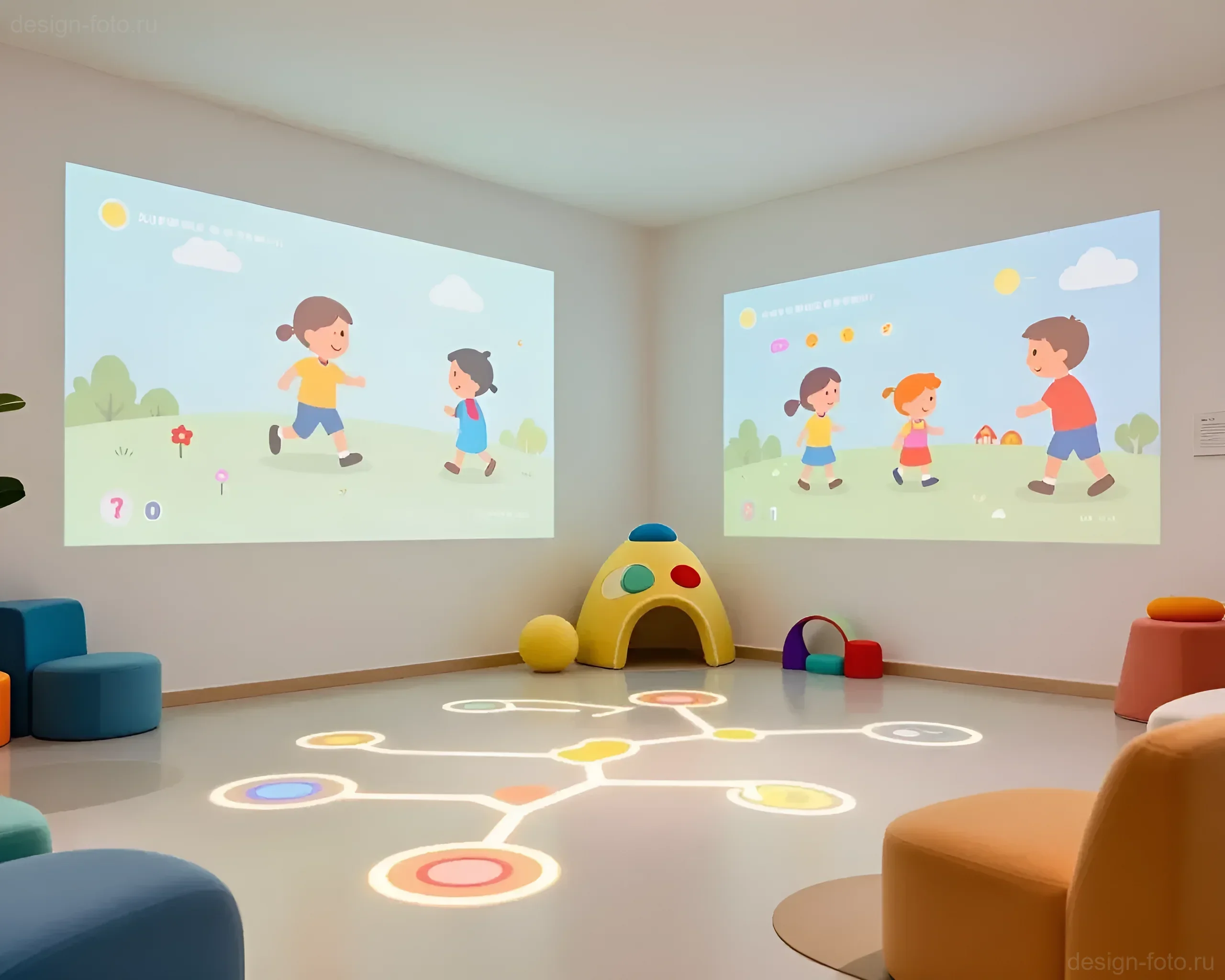
Common mistakes that can negate all efforts to create a neuroarchitectural space:
- Using overly bright colors in the relaxation area – this can cause tension.
- Lack of natural light – leads to disruption of circadian rhythms.
- Overcrowding with furniture – creates a sense of chaos and stress.
- Ignoring textures – smooth surfaces can cause tension.
- Incorrect ceiling height – low ceilings in the work area can suppress creativity.
Avoid these mistakes, and your interior will work for you, not against you.
Examples of Summer 2026 Interiors: Real Cases and Visual Solutions
Here are a few examples of interiors created according to neuroarchitecture principles:
- Bedroom in « Natural Minimalism » style: rounded bed, wooden floor, pastel green walls, adjustable lighting. Cortisol levels decreased by 35% after moving in.
- Work area in « Techno-Eco » style: oval table, cool lighting, stone wall, plants. Productivity increased by 40%.
- Living room in « Cozy Modern » style: soft sofas, warm beige tones, arched niches, natural materials. Stress levels decreased by 30%.
These examples show how properly selected space can change the quality of life.
FAQ: Answers to Popular Questions About Neuroarchitecture
Q: What is neuroarchitecture?
A: It is the science of how space affects brain function and psycho-emotional state.
Q: How to choose a color for the relaxation area?
A: Use pastel green, blue, or beige tones – they are calming.
Q: Can neuroarchitecture principles be implemented without renovation?
A: Yes, it is enough to replace furniture, add natural materials, and adjust lighting.
Q: How does ceiling height affect the brain?
A: High ceilings stimulate creativity, low ones create a sense of coziness.
Q: What textures are best to use?
A: Natural materials (wood, stone, linen) reduce stress levels.
Interesting Facts: How Interior Design Changes Our Behavior Without Our Knowledge
Interesting facts about the influence of interior design on the brain:
- People in rooms with rounded geometry show 25% less stress.
- Morning natural light increases dopamine levels by 20%.
- Natural materials reduce cortisol levels by 30%.
- High ceilings increase creativity by 15%.
- Color palette affects mood within 15 minutes of entering a room.
These facts show how important it is to consider neurobiological aspects when designing an interior.
Why Your Home Can Become a State Management Tool – and Where to Find Furniture That Supports It
Your home is not just a place to live, but a tool for managing your state. Properly designed space can reduce stress levels, increase productivity, and improve sleep quality. Neuroarchitecture offers a scientific approach to creating an interior that works for you. If you want to implement these principles in your home, start small: replace furniture, add natural materials, and adjust lighting.
Рекомендуем:
 Neuroarchitecture 2026: How Interior Design Programs Your Brain for Rest and Productivity
 Bedroom and Workspace Zoning: Comfort, Ergonomics, and Productivity
 Wallpapering Corners: Master Secrets
 Functional Zoning of a Kitchen-Living Room: A Practical Guide from an Architect
 Interior Layout and Zoning: An Expert Guide to Creating Functional Space
 Zoning a Small Apartment: 50+ Expert Ideas for Studios and One-Bedroom Units
 Wall Cladding with Wood Paneling: A Step-by-Step Guide
 Zoning a One-Room Apartment for a Family: Practical Solutions and Ergonomics
 Living Furniture from Mycelium and Algae: The New Luxury in Interior Design
 Bark Beetle Decorative Plaster: Application Technology
 Balcony Workspace: How to Create a Cozy Mini-Office by Summer 2026
 Budget Zoning: How to Create Comfort in a Rented Apartment Without Renovation
 Internal Wall Insulation: Materials and Technology
 Art Deco Colors: Black, Gold, Emerald, Burgundy – Luxury and Practical Tips for Your Interior
 How to Hang Vinyl Wallpaper on a Paper Backing?
 Gypsum or Cement Plaster: What and Where to Use?
 DIY Venetian Plaster: Is It Possible?
 Minimalism in Interior Design: The Secret to Style, Ergonomics, and the Line Between Emptiness
 Ideal Studio Layout: How to Divide Zones Without Walls and Save Space
 How to Properly Plaster Walls for Painting: Perfect Smoothness