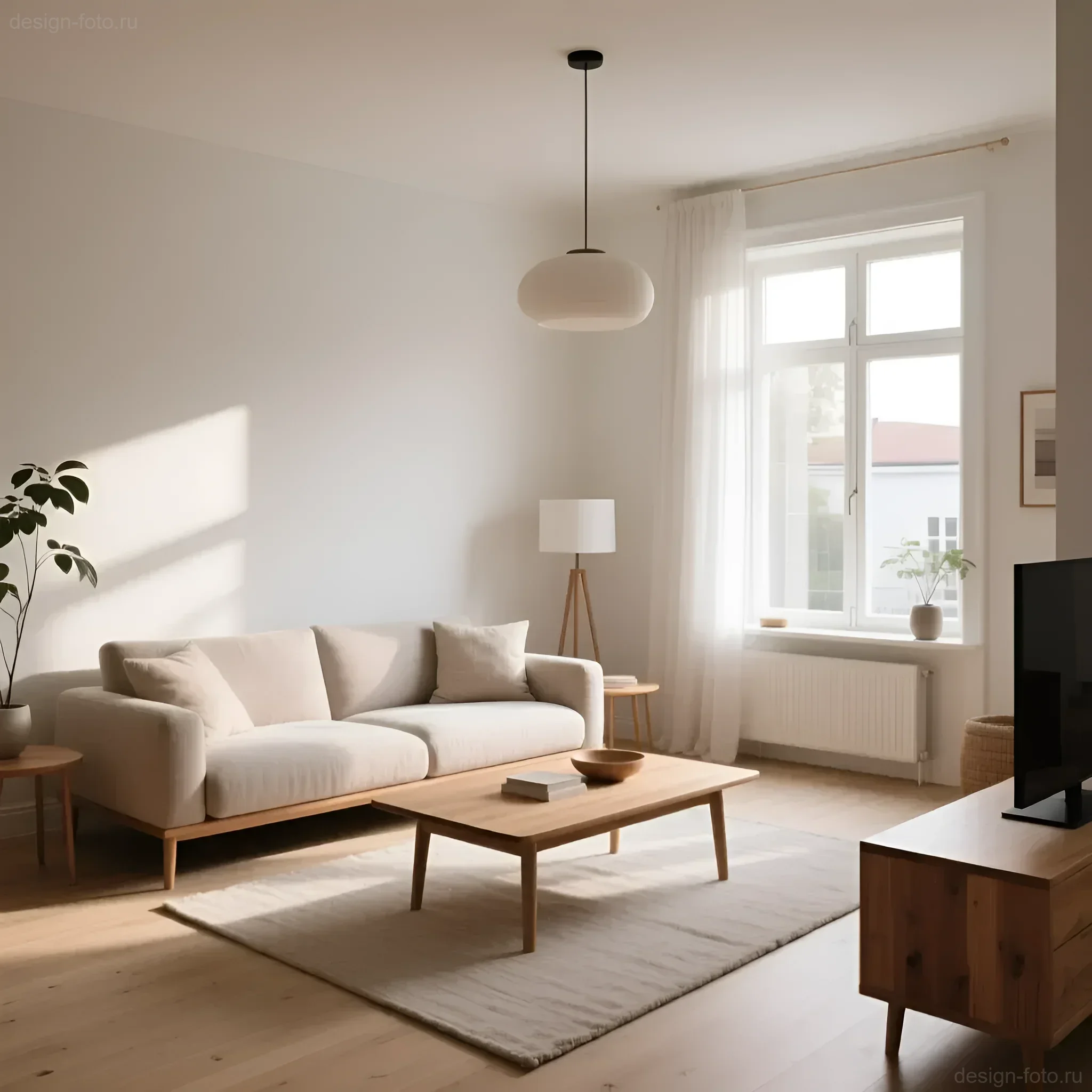
Minimalism is not just an aesthetic choice; it’s a strict philosophy of space organization. Many mistakenly believe that it’s enough to remove decor and paint walls white to achieve a minimalist interior. In reality, minimalism is the highest degree of organization, where every item has its place, and the absence of visual clutter is achieved through the total integration of storage systems. While a little mess in a classic or even Scandinavian interior might be perceived as a “lively” accent, in minimalism, any carelessness destroys the entire concept.
Minimalism and Order: Why It’s So Important
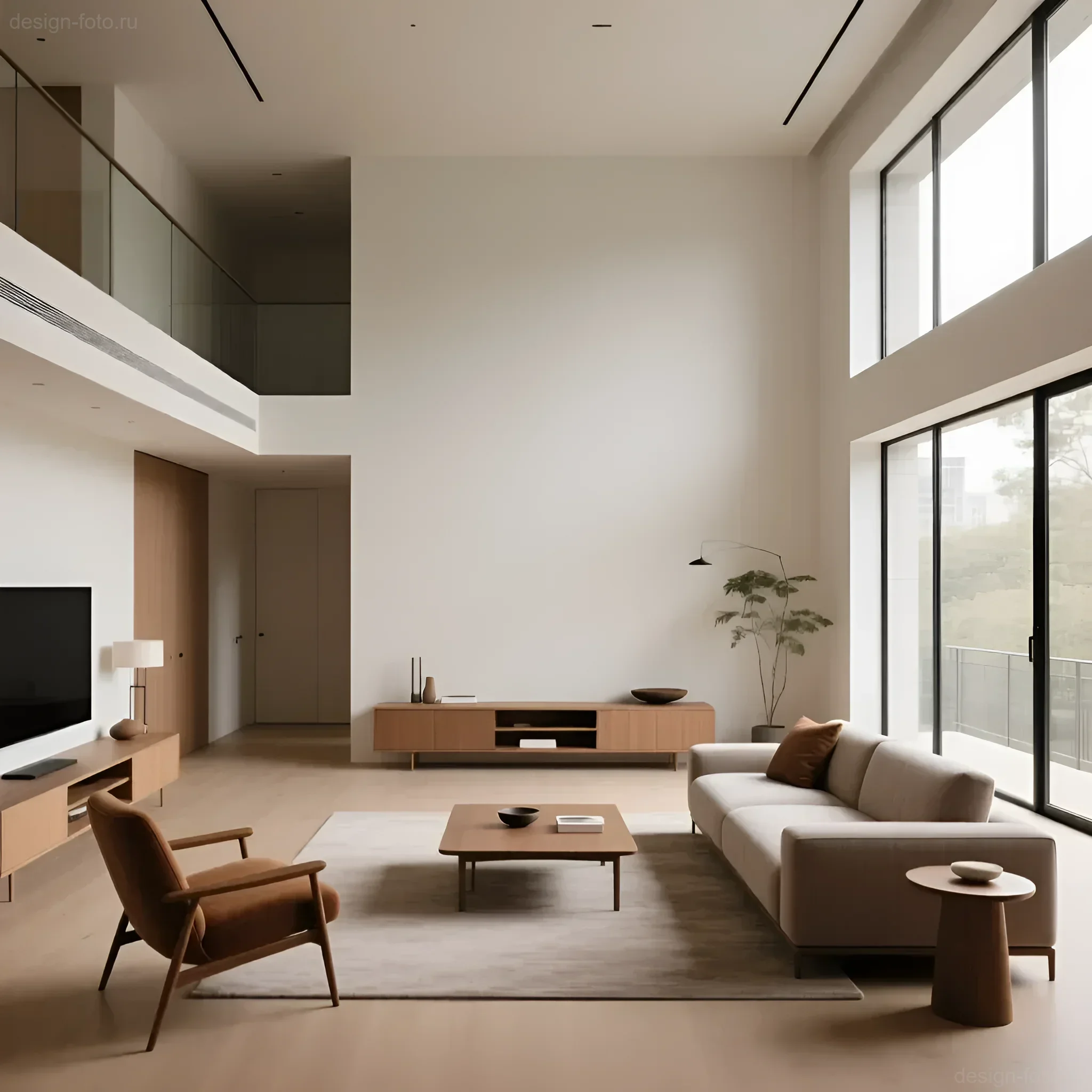
From an architectural and interior design perspective, minimalism demands maximum discipline from us. The key value of minimalism is space and air. When there are a minimal number of objects on horizontal surfaces (countertops, shelves, floors), the room appears larger, brighter, and cleaner. Maintaining order here is not just cleaning; it’s a continuous process of object management.
Ergonomic Aspect: In a minimalist home, you should spend minimal time searching for things and maximum time using them. Chaos not only spoils the aesthetics but also negates all the ergonomic benefits of the style.
- Visual Clarity: The absence of unnecessary details reduces stress levels and improves concentration.
- Functional Efficiency: Every object left in sight must have a clear purpose. If it’s not being used right now, it should be integrated into the storage system.
- Style Sustainability: It’s impossible to create a long-term minimalist design without thoughtful storage logistics.
Key Principles of a Minimalist Interior and Their Impact on Space Organization
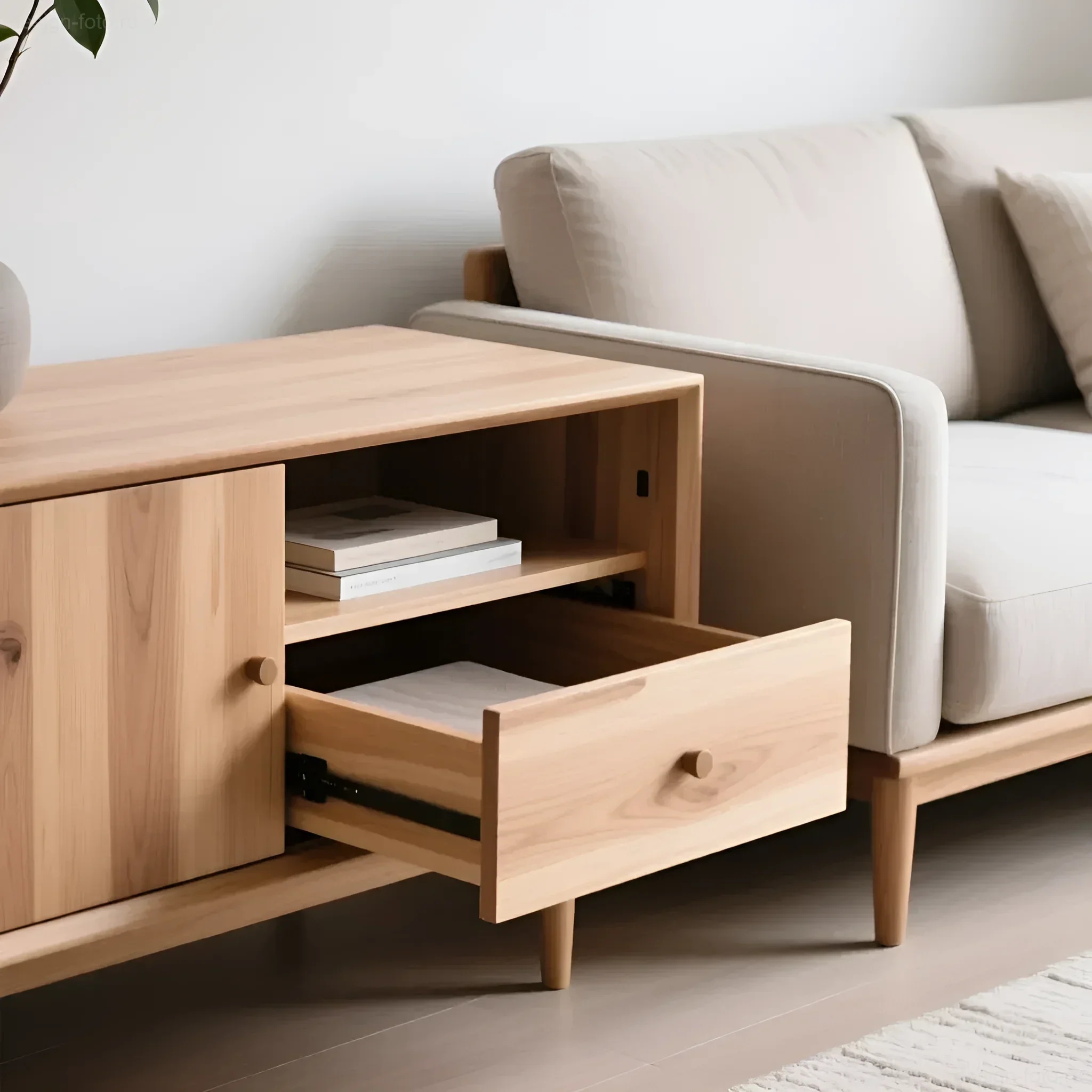
Before implementing storage systems, it’s essential to understand which minimalist principles dictate these solutions. This is the foundation upon which all order logistics are built.
1. The “One In, One Out” Principle
This principle is critically important for preventing accumulation. If you acquire a new item, whether it’s a book, clothing, or a kitchen gadget, you must get rid of a similar item you already own. This ensures that the volume of your possessions remains stable and does not exceed the capacity of your storage systems.
2. The “Hidden Volume” Principle
In minimalism, we work not with open but with hidden volume. Everything that is not an architectural element or a piece of art must be hidden behind smooth facades. This means you should incorporate into the design:
- Built-in floor-to-ceiling cabinets (ideally without handles, using a push-to-open system).
- A uniform facade color that blends with the walls (e.g., matte white, light gray, or dusty beige).
- Maximum efficient use of vertical space (mezzanines, tall cabinets).
3. The “Multifunctionality” Principle
Every square meter must work. A table can serve as a workspace, a dining area, and a place to store documents (if it has drawers). A sofa can be a seating area and an additional sleeping space with an integrated storage compartment. This reduces the total amount of furniture and, consequently, the area that requires daily organization.
Choosing Furniture and Storage Systems for Minimalism: Materials and Functionality
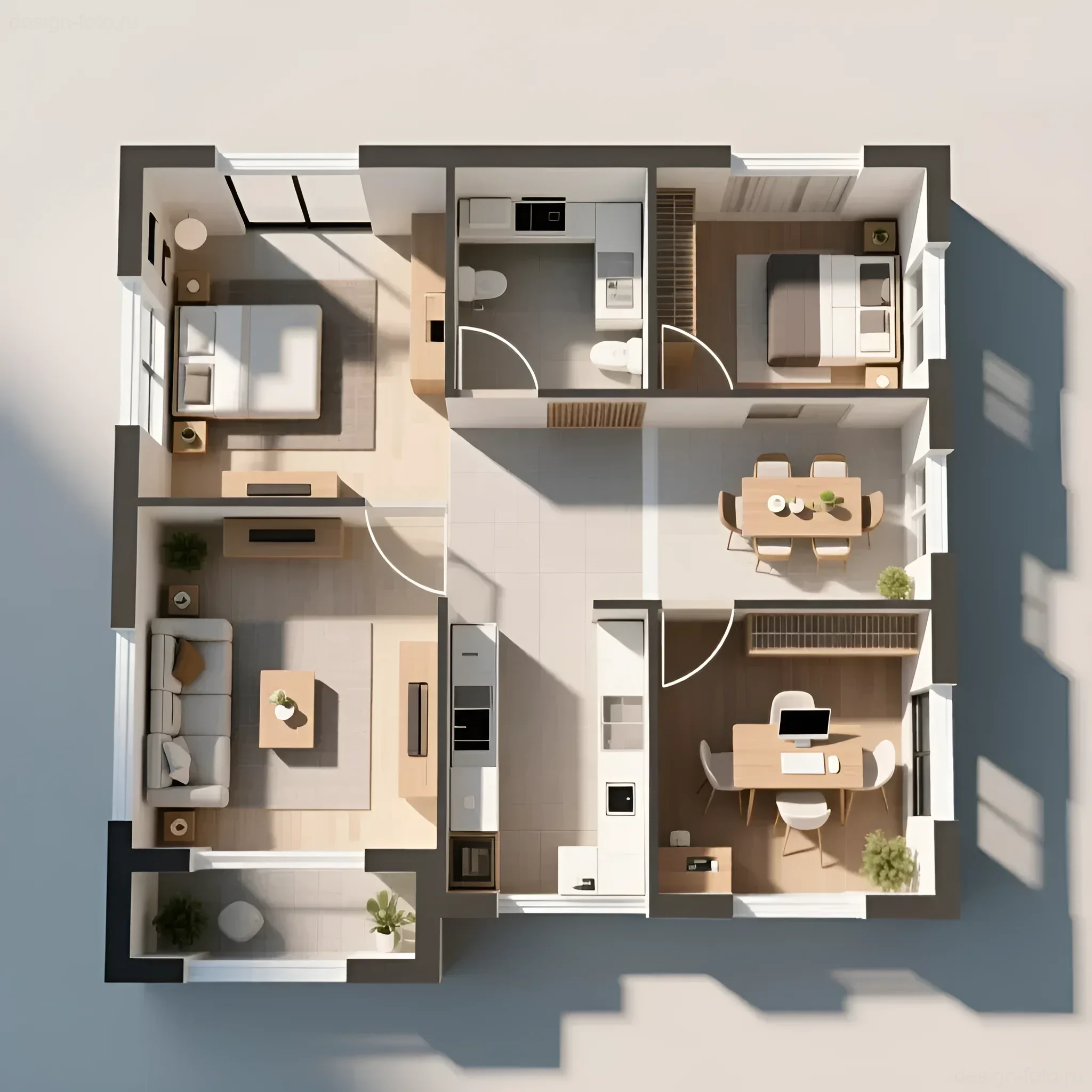
Choosing furniture in minimalism is an investment in order. We look for monolithic, laconic solutions that disappear into the space.
Built-in Cabinets: The Foundation of Order
Cabinets should be as spacious and inconspicuous as possible. The recommended depth for wardrobes is 60–65 cm, and for hallways where outerwear needs to be stored, at least 55 cm. It’s important to avoid open shelves inside cabinets, preferring drawers, baskets, and specialized organizers.
- Facades: Matte surfaces are preferred (MDF with enamel or Fenix), which do not create glare and do not draw attention to themselves. Gloss, while looking modern, requires more careful maintenance as fingerprints are visible on it.
- Hardware: Exclusively hidden. Tip-on systems or integrated profile handles (Gola profile in the kitchen) help maintain clean facade lines.
- Internal Configuration: Use modular systems (e.g., Elfa or its equivalents) that allow for configuration changes based on evolving needs. Each category of items should have its own compartment.
Kitchen Storage: Battling Small Items
The kitchen is a champion at accumulating visual clutter. In minimalism, everything must be hidden:
- Appliances: All large appliances (refrigerator, dishwasher, microwave) are built-in.
- Small Appliances: Toasters, coffee makers, blenders are stored in special “garages” or behind sliding/lift-up doors that close when the appliances are not in use.
- Dishware: Use deep drawers instead of standard shelves. Cutlery dividers and vertical plate holders are essential.
Practical Tip: When designing a kitchen, allocate one tall cabinet (45–60 cm wide) solely for storing cleaning supplies, sponges, and the trash bin. This prevents them from appearing under the sink or in plain sight.
Layout and Zoning in a Minimalist Interior: Creating Order Through Space
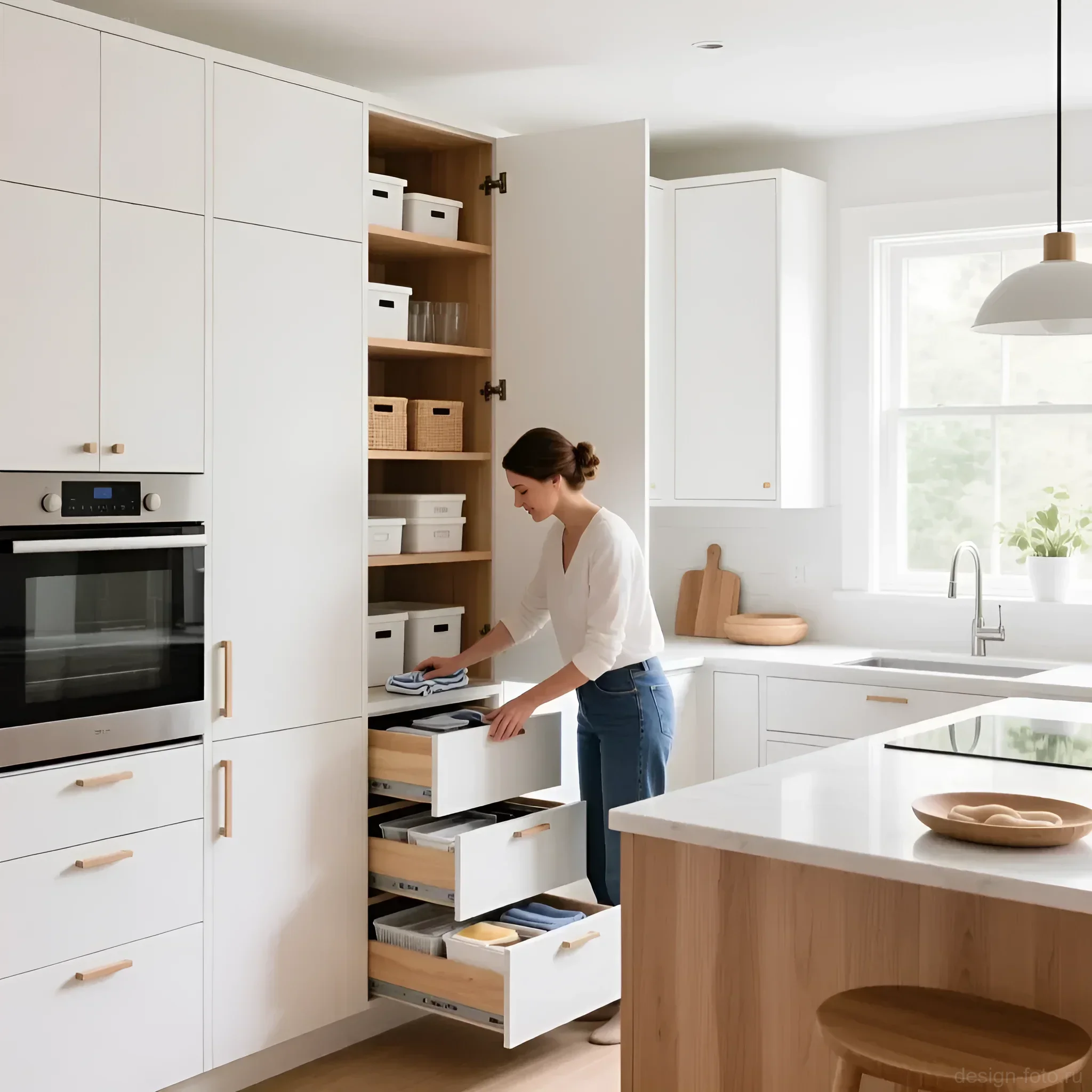
A proper layout lays the groundwork for order from the design stage. In minimalism, zoning is often achieved not by partitions but by architectural techniques and furniture.
1. Using “Negative Space”
Leave large, empty areas of floor and walls. These are not “unfinished elements” but part of the design. The more free space there is, the more noticeable any misplaced item becomes. This psychologically motivates immediate tidying.
2. Monolithic Storage Blocks
Instead of arranging separate cabinets and dressers, create one large, monolithic storage block that serves as a wall or a zoning element. For example, in a studio apartment, a built-in wardrobe can separate the sleeping area from the living room. This reduces the number of corners and seams where dust and clutter typically accumulate.
3. Zoning with Light and Materials
Order is maintained when the functions of zones are clearly separated. Use different lighting scenarios (bright light in the work area, dim light in the relaxation area) and different floor coverings (tiles in the hallway, parquet in the living room). This helps residents intuitively understand that items should not be moved from one zone to another.
Example: The entrance area (mudroom) should be clearly defined. A built-in shoe cabinet (30 cm deep for summer shoes, 40 cm for winter shoes) and a shelf for keys and mail should be the first elements a person sees. Everything brought in from outside should be put away within 30 seconds.
Practical Tips for Maintaining Order in a Minimalist Home: Daily Habits and Weekly Rituals
The best design is useless if you don’t have a system for maintaining order. Minimalism requires a systematic, not heroic, approach.
Daily Habits (The 10-Minute Rule)
Dedicate 10 minutes in the morning and 10 minutes in the evening to “auditing” horizontal surfaces.
- The “One-Minute Rule”: If an action takes less than a minute (hanging up a jacket, putting a book back, wiping a spill), do it immediately. This prevents the accumulation of minor chaos.
- “Hot Spots”: Identify areas where clutter tends to accumulate most often (bedside table, corner of the kitchen counter). Establish a strict rule for them: they must be completely clear by the end of the day.
- Charging Gadgets: Designate one hidden charging station for all gadgets (e.g., inside a desk drawer or in a special box). Wires are the main enemy of minimalism.
Weekly Rituals (General Audit)
Dedicate 1–2 hours on a weekend day to deeper organization.
- Review Contents: Check all drawers and cabinets where you’ve “tossed” items during the week. Return them to their permanent storage location.
- 80/20 Rule for Clothing: We wear 20% of our clothes 80% of the time. The remaining 80% should either be put away for seasonal storage or subjected to a ruthless decluttering.
- Paperwork: All mail, receipts, and documents should be processed and archived on one day of the week. Use digital storage (scanning) to minimize your paper footprint.
Table: Systematizing Storage in Minimalism
| Zone | What to Store | Type of Storage | Rule |
|---|---|---|---|
| Living Room | Remotes, magazines, blankets | Built-in low cabinets, drawers in the coffee table | Remotes always placed in one organizer inside the cabinet. |
| Bathroom | Cosmetics, cleaning supplies | Mirrored cabinets with a depth of 12–15 cm, drawers under the sink | Only soap and toothbrushes are visible. Everything else is inside. |
| Office/Desk | Stationery, wires, documents | Drawers with organizer trays, cable channels under the tabletop | The tabletop must be empty when work is finished. |
Common Mistakes in Organizing a Minimalist Space and How to Avoid Them
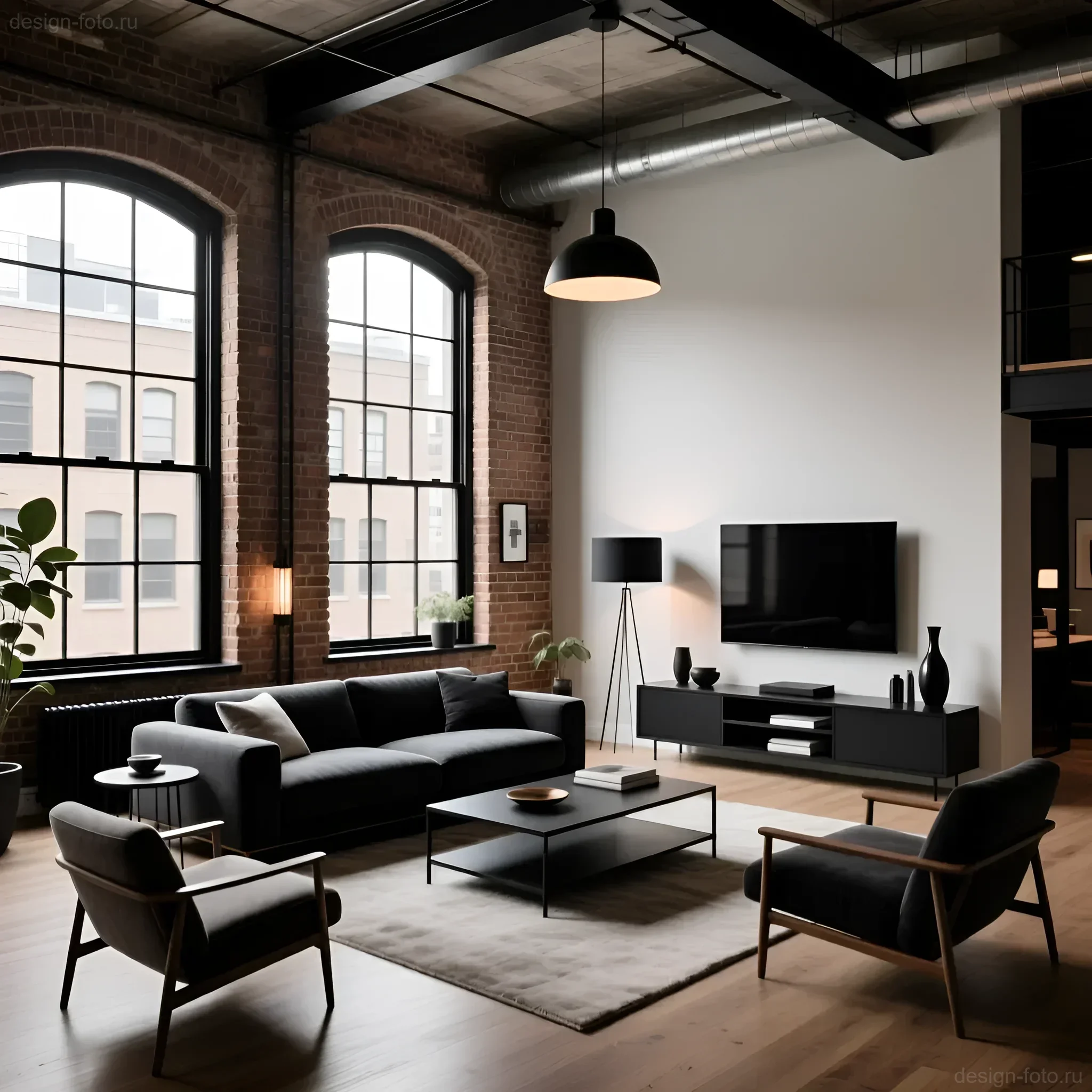
Often, in striving for minimalism, people make mistakes that make maintaining order impossible or, worse, create an illusion of minimalism at the cost of constant cleaning stress.
Mistake 1: Using Open Storage for Decor
In minimalism, open shelves are a trap. They quickly become collectors of dust and random items. If you cannot give up open shelves, use them only for a strictly limited number of decorative objects (no more than three per shelf) or books arranged by color and size. But even this complicates daily cleaning.
Solution: Maximize closed storage. If an accent is needed, use niches with built-in lighting rather than protruding shelves.
Mistake 2: Ignoring “Ugly” Things
Banal but necessary items (first-aid kit, tools, seasonal supplies) are often overlooked during the design process. As a result, they migrate around the apartment, disrupting order.
Solution: Designate a centralized “utility area” (utility closet, pantry). It should be equipped with vertical holders for mops, a vacuum cleaner, and shelves for cleaning supplies. The depth of such a cabinet can be minimal (40–45 cm).
Mistake 3: Mismatch Between Storage Volume and Property Volume
If you are not ready to part with 50% of your belongings but have designed storage systems for only 30%, clutter is inevitable. Items will start spilling out of drawers and occupying horizontal surfaces.
Solution: Conduct a total decluttering before starting the design process. Calculate the required storage volume based on the actual, not desired, number of items. Remember: storage systems should be no more than 80% full to allow for maneuverability.
Examples of Successful Minimalist Interiors with an Emphasis on Order and Functionality
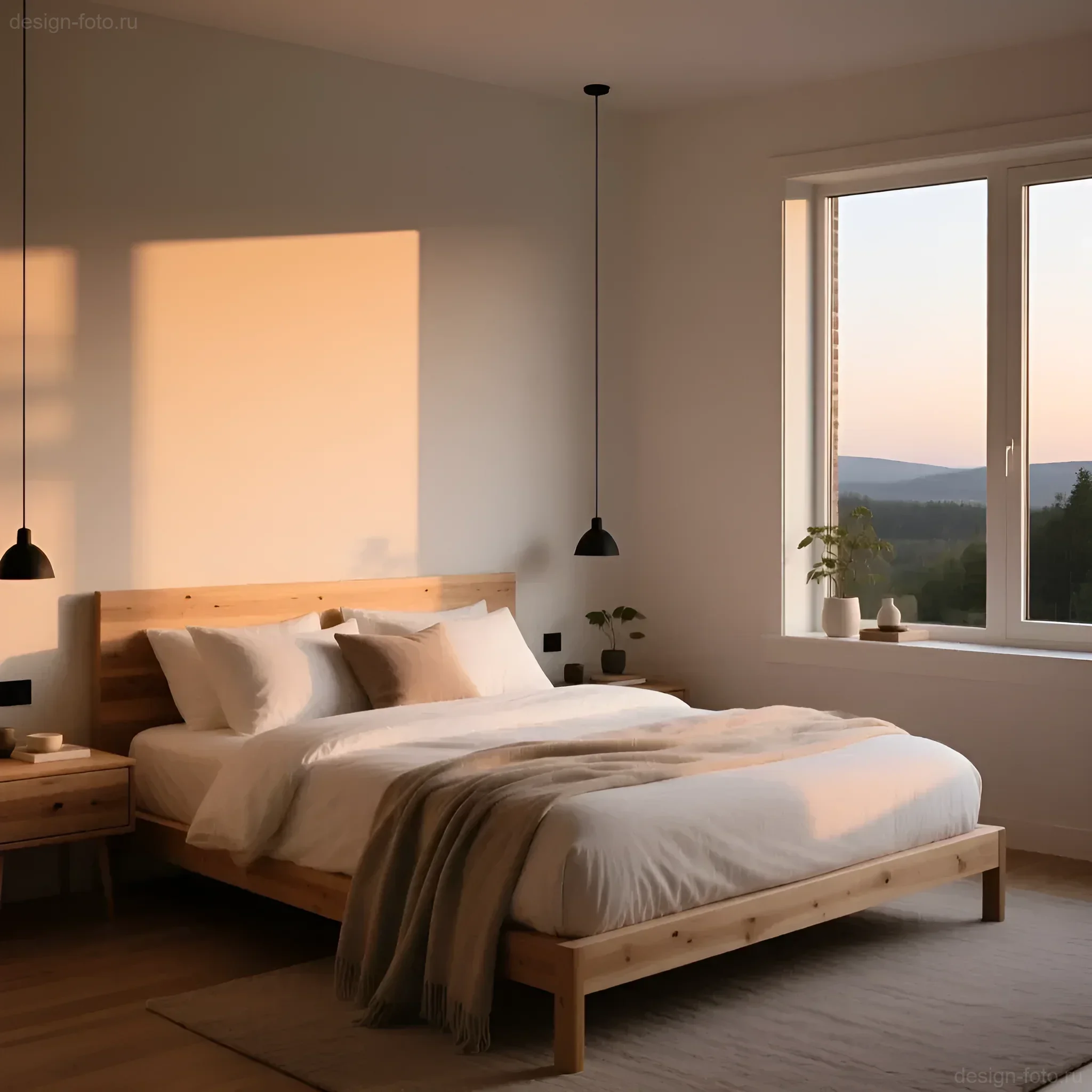
Case 1: Kitchen-Living Room – A Monolithic Cube
In a combined space, order is critical. The design solution is to create a storage “cube” (or “wall”) that includes kitchen cabinets, a built-in refrigerator, and a living room media zone. The facades are made in a uniform color (e.g., matte graphite) and have no handles. This makes the wall perceived as an architectural element, not a collection of cabinets. The TV is integrated into a niche, and the acoustics are hidden behind fabric panels. All remotes, chargers, and wires are stored in a pull-out drawer under the TV.
Case 2: Bedroom – A Walk-in Closet Behind the Wall
In a minimalist bedroom, only the bed and perhaps a couple of lamps remain visible. Instead of a bulky wardrobe, a shallow (100–120 cm) walk-in closet is used, separated from the main room by a partition or sliding doors that match the wall color. This allows clothes, linens, and seasonal items to be completely hidden from view. Bedside tables are replaced with console shelves or wall niches to avoid cluttering small items.
Case 3: Bathroom – Hidden Niches and Mirrored Cabinets
The bathroom is another high-risk area. The ideal solution is a mirror cabinet above the sink (12–15 cm deep) where all personal hygiene products are stored. Cleaning supplies and towel reserves are placed in a tall cabinet integrated into the wall. If space allows, the toilet installation is used to create a small niche above, covered by a decorative panel, where toilet paper and air fresheners can be stored.
Conclusion: Minimalism is Not Just a Style, It’s a Lifestyle
As professionals, we see that minimalism requires clients to be ready for systemic changes. You cannot buy minimalist furniture and live in chaos. Order in a minimalist interior is the result of three key factors:
- Design Solution: The maximum number of integrated, hidden storage systems incorporated at the drawing stage.
- Ownership Discipline: Regular decluttering and adherence to the “One In, One Out” principle.
- Daily Rituals: Immediately returning items to their permanent place.
A minimalist interior frees you not from things, but from the need to constantly manage them. It gives you not only a beautiful picture but also a functionally flawless space where every detail serves its purpose. It’s an investment in your time and psychological comfort.
Рекомендуем:
 Washable wallpaper for the kitchen: why it’s the best idea for your renovation?
 Interior Design and Pets: How to Combine Aesthetics and Pet Comfort
 Joint filler for tiles: how to choose the color and apply it correctly
Grout for tiles: how to choose the color and apply it correctly
Joint filler for tiles: how to choose the color and apply it correctly
Grout for tiles: how to choose the color and apply it correctly
 PVC Wall Panels: Cheap and Cheerful. Installation Guide
 Nautical Style in Interior Design: How to Create a Coastal Atmosphere in a City Apartment
 Art Deco Colors: Black, Gold, Emerald, Burgundy – Luxury and Practical Tips for Your Interior
 How to Get Rid of Unpleasant Odors in Your Apartment: An Expert Guide to Elimination and Prevention
 Wall Cladding with Wood Paneling: A Step-by-Step Guide
 DIY Decorative Stone Wall Installation: Your Guide to Home Transformation
 MDF Panel Wall Finishing: Installation Guide
 Bathroom: Tile or Paint. What Will Everyone Face?
 Internal Wall Insulation: Materials and Technology
 The Ideal Mattress in Ukraine: Choosing with mebeltops for Healthy Sleep
 Bark Beetle Decorative Plaster: Application Technology
 Liquid Wallpaper: Pros, Cons, and Application Technology
 Laminate Underlay: Cork, Coniferous, or Polystyrene – Detailed Analysis and Choice
 Art Deco Mirrors: Geometry and Luxury That Transform Interiors
 How to Tile Walls in a Bathroom: A Detailed Guide
 DIY Venetian Plaster: Is It Possible?