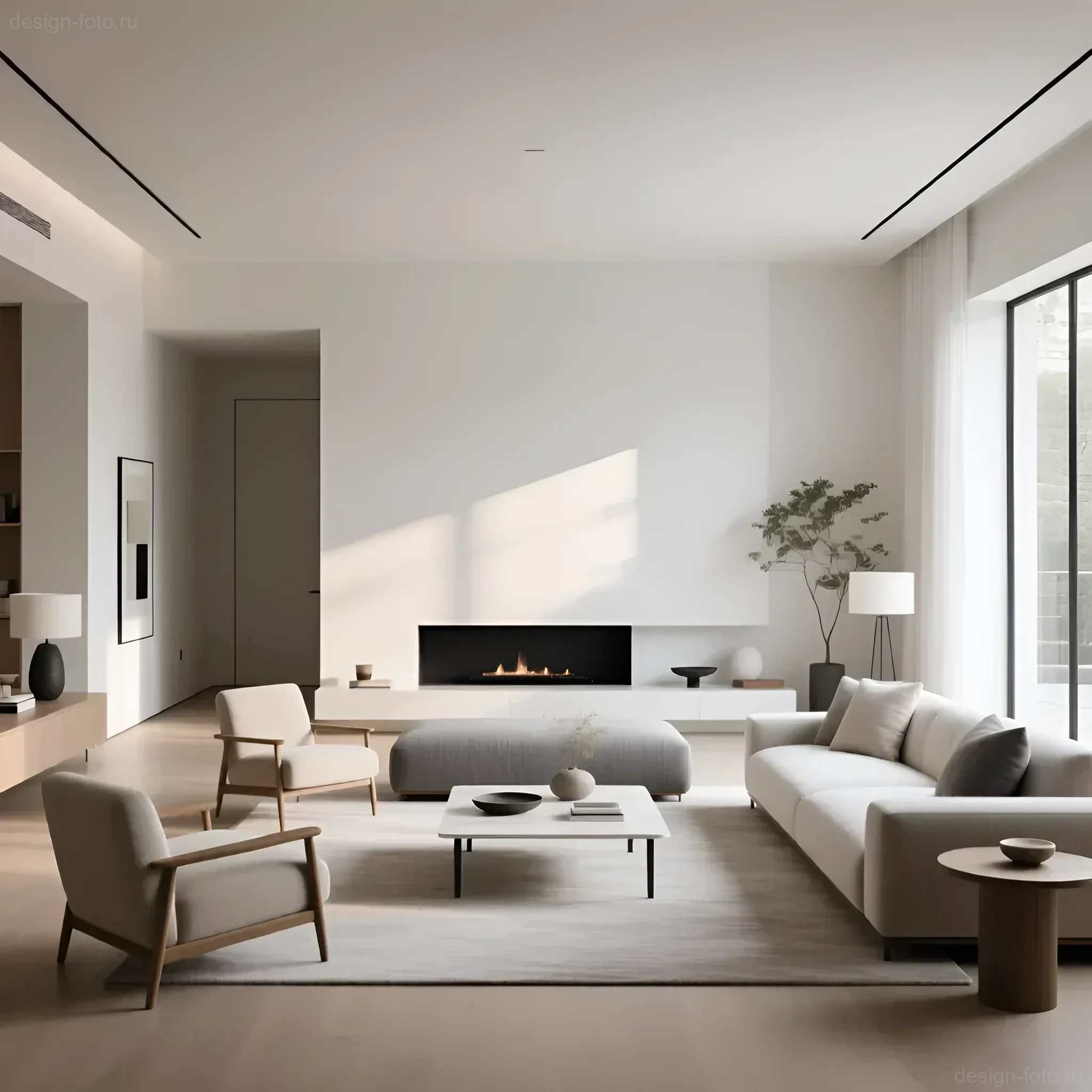
Minimalism is not just an aesthetic choice; it’s a philosophy of space organization that requires a deep understanding of functionality, ergonomics, and architectural purity. In professional practice, we often face a dilemma: how to create a clean, concise interior that is simultaneously warm and livable, rather than resembling a sterile museum hall. Our task as designers is to find that fine line where the absence of the superfluous becomes an advantage, not a sign of incompleteness or emptiness.
Interior Styles
Art Deco Colors: Black, Gold, Emerald, Burgundy – Luxury and Practical Tips for Your Interior
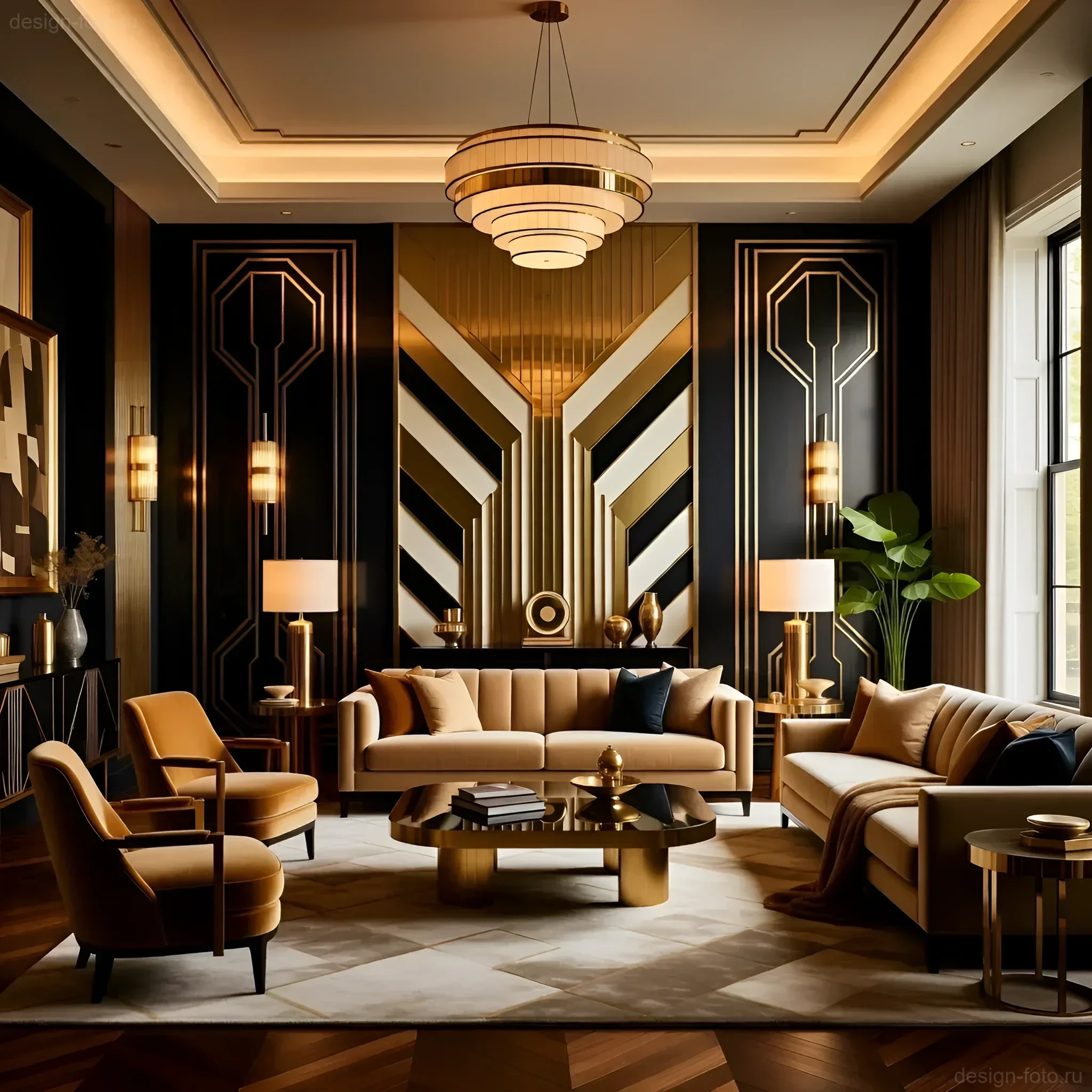
The Art Deco style, which emerged at the dawn of the 20th century, has always been synonymous with luxury, boldness, and geometric precision. However, in today’s context, where functionality and ergonomics are paramount, many consider it excessive. Our task as professionals is to show that the key Art Deco colors – black, gold, emerald, and burgundy – can be integrated even into the most pragmatic interiors, creating a sense of premium quality without compromising comfort. These are not just decorative shades; they are tools for zoning, accentuating, and visually enhancing the depth of space. You will learn how to use this dramatic palette to avoid theatricality and achieve a balanced, expert design.
Nautical Style in Interior Design: How to Create a Coastal Atmosphere in a City Apartment
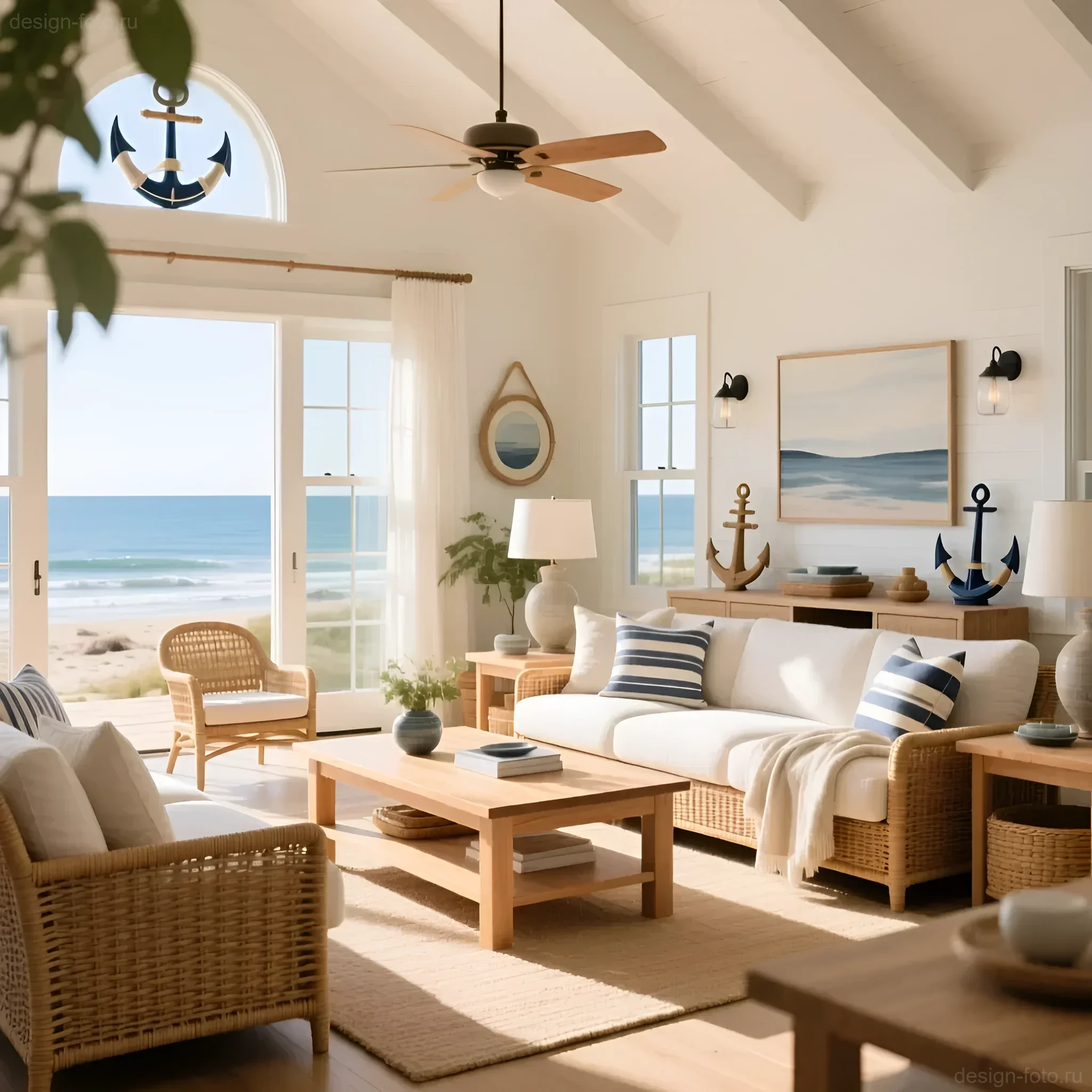
Nautical Style in interior design is not just a collection of clichés from seashells and anchors bought at a souvenir shop. It is a deep philosophy based on the feeling of freedom, purity, and functional aesthetics inherited from ship interiors and coastal villas. Our task as professionals is to transform this romanticism into a practical, ergonomic, and durable living space that will be relevant not only on the ocean shore but also in the heart of a metropolis.