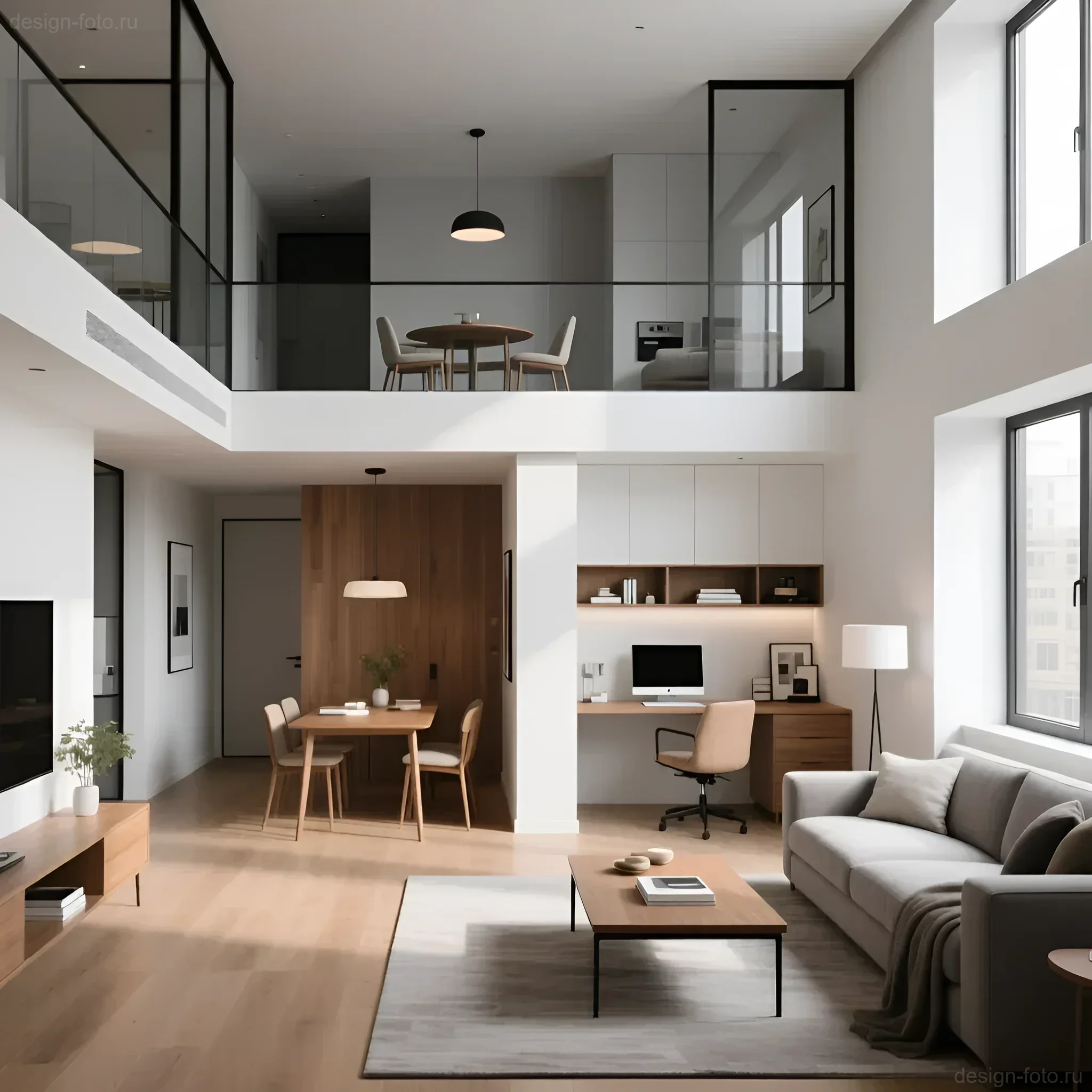
Layout and zoning are not just about rearranging furniture or building walls. They are a fundamental architectural process that determines how comfortable, logical, and functional your living or working space will be. As professionals, we view layout as a strategy and zoning as a tactic to maximize the efficiency of every square meter while adhering to the principles of ergonomics and aesthetics. A well-thought-out project always begins with an analysis of the client’s needs and a thorough calculation of movement paths, insolation, and engineering communications.
Ideal Studio Layout: How to Divide Zones Without Walls and Save Space
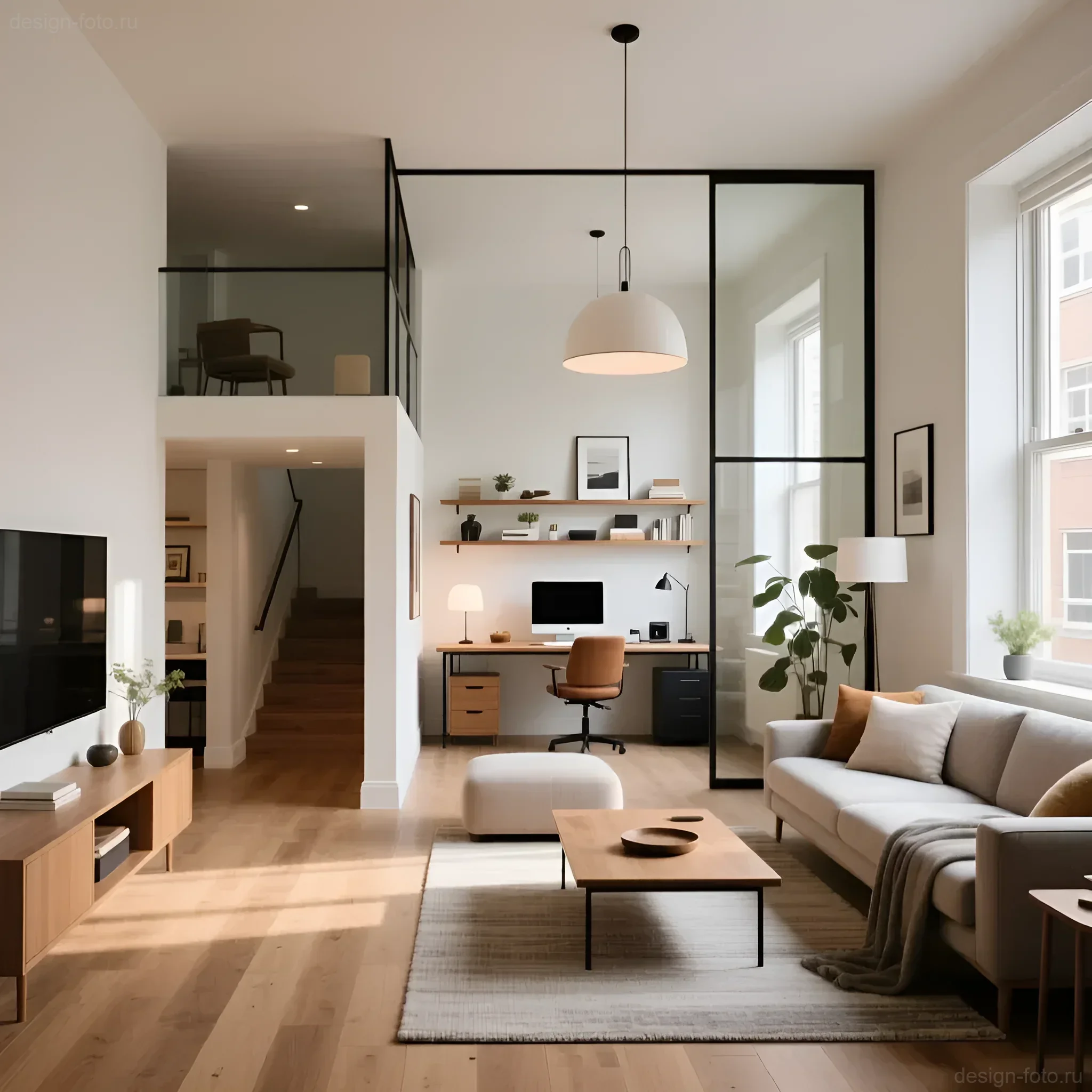
Working with studio space is always a challenge, requiring meticulous precision and a deep understanding of ergonomics. In limited square footage, where each functional zone must be clearly defined while maintaining a sense of a unified, bright volume, traditional wall construction becomes not only impractical but also detrimental. Our task as designers is to create “soft” zoning using exclusively visual and functional tools.
Zoning a Small Apartment: 50+ Expert Ideas for Studios and One-Bedroom Units

Working with small apartments, whether it’s a 20-square-meter studio or a classic one-bedroom unit up to 35 sq m, always requires high precision and an engineering approach. Zoning in this context is not just decorative space division; it is a key tool for creating a functional and psychologically comfortable environment. As professional architects and designers, we view zoning as a process of optimizing every centimeter of space, where each zone must perform its role without interfering with the adjacent one.
Zoning a One-Room Apartment for a Family: Practical Solutions and Ergonomics
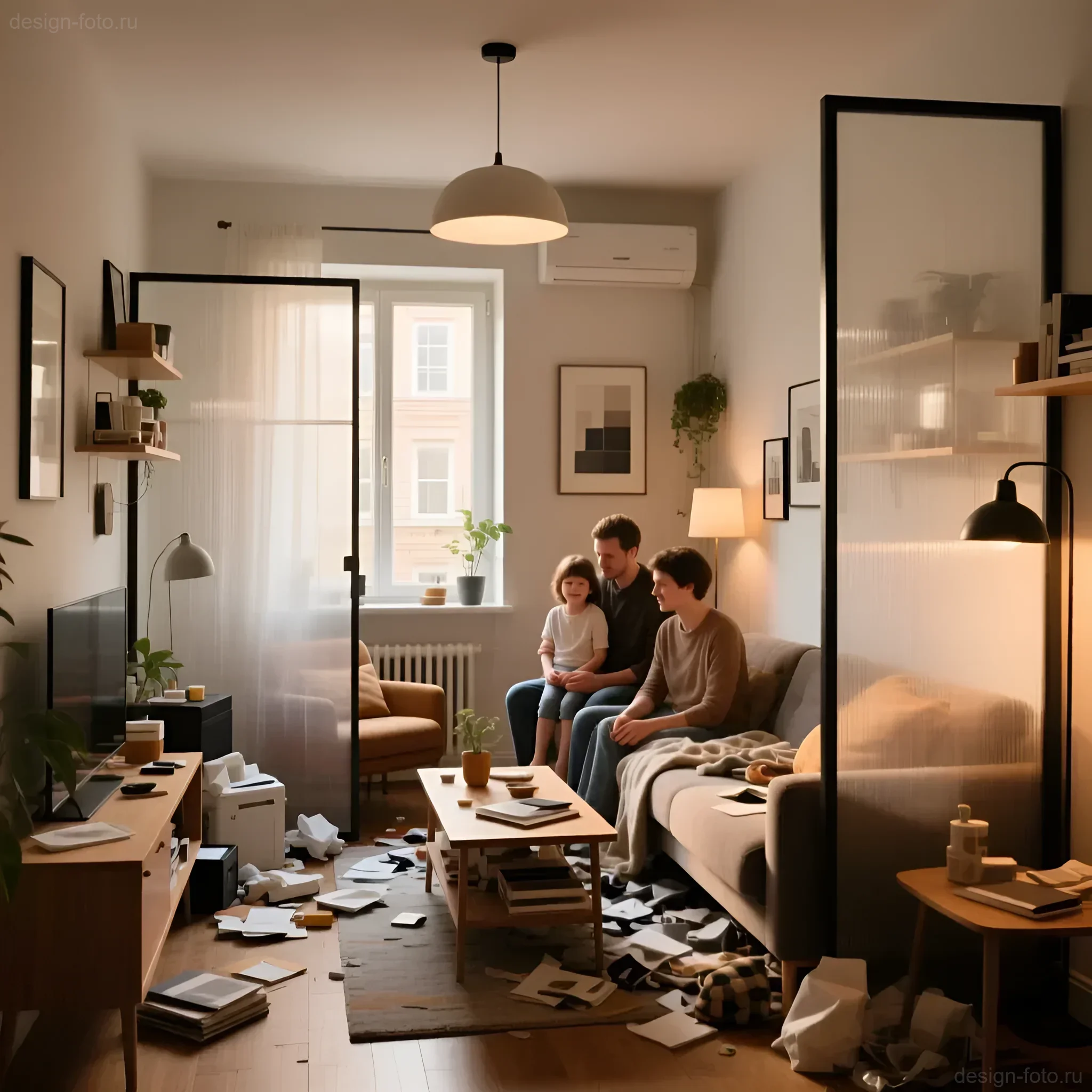
Working with limited space, especially when it comes to a one-room apartment intended for a family, is not just a design task; it’s an engineering challenge that requires maximum efficiency from every square meter. Your goal is to create not just a beautiful, but, above all, a highly functional and ergonomic space where each zone has a clear purpose, yet is harmoniously integrated into the overall volume.
Functional Zoning of a Kitchen-Living Room: A Practical Guide from an Architect
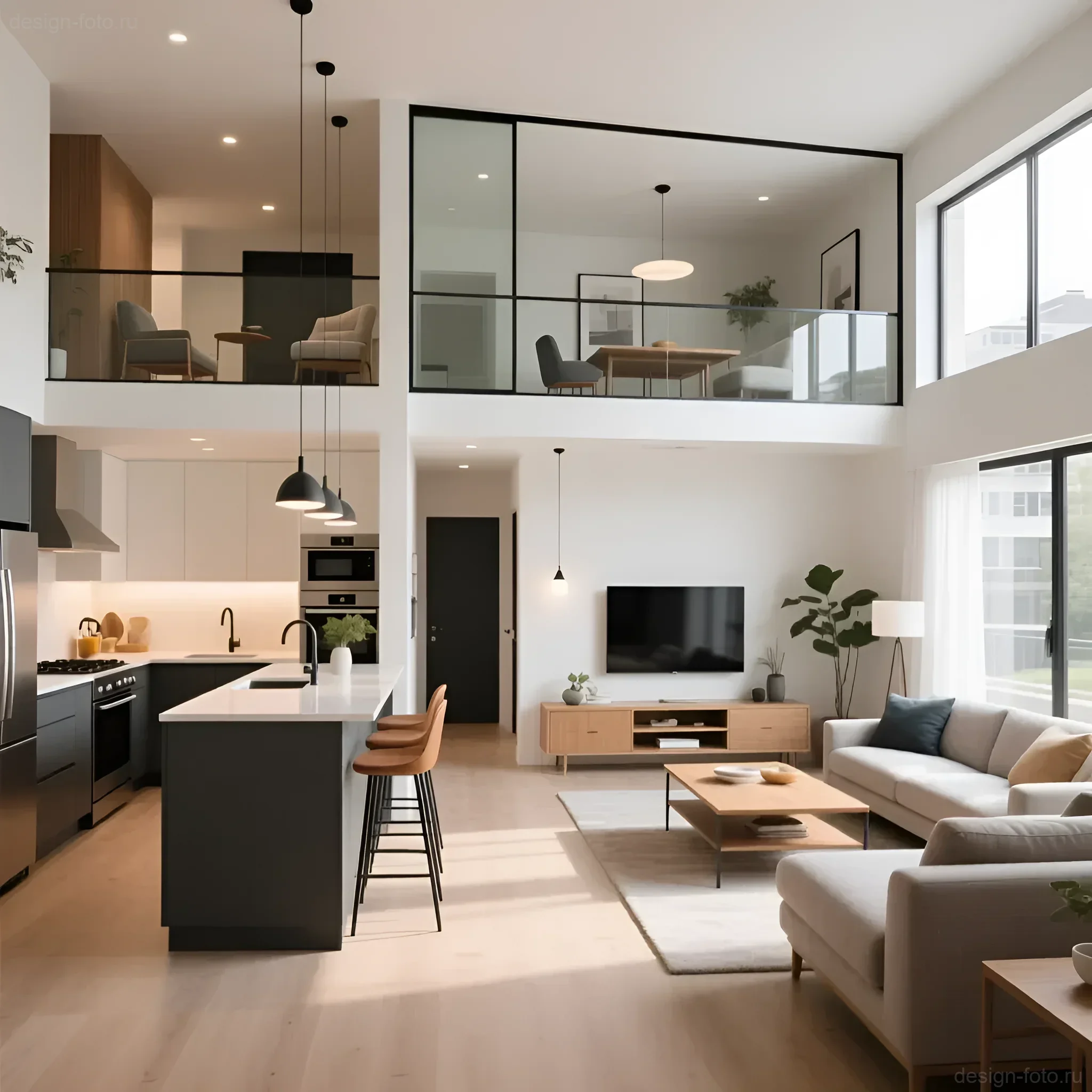
Combining a kitchen and living room is not just a fashionable trend, but a strategic planning solution aimed at improving quality of life, optimizing square footage, and enhancing social communication within the family. However, creating a unified yet functional and harmonious space requires a deep understanding of zoning principles. As practicing design architects, we emphasize: the success of the project depends on clearly dividing zones by their purpose while maintaining the visual integrity of the interior.
Drywall Partitions for Zoning: Functionality, Installation, and Ergonomics

Drywall partitions (GKL) are not just a way to divide space; they are a high-tech tool in the hands of an architect and designer. In modern interiors, where layout flexibility, project speed, and transformation possibilities are valued, GKL structures become the cornerstone of functional zoning. We will consider GKL not as a temporary measure, but as a full-fledged architectural solution requiring precise calculations, adherence to technologies, and a deep understanding of ergonomics.
Mobile Zoning: Screens, Shelving, and Curtains for a Flexible Living Room
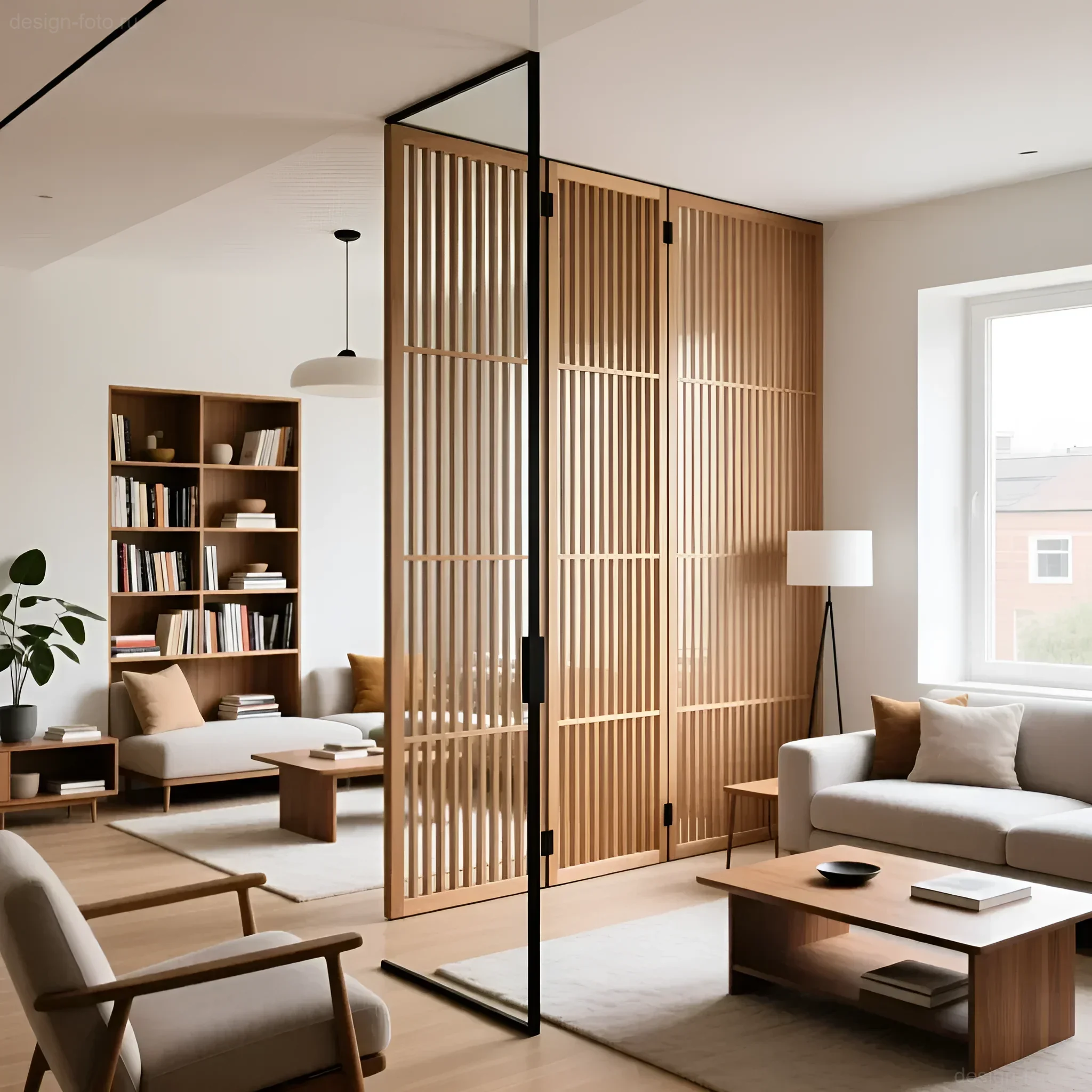
In the context of modern urban living, where every square meter must work as efficiently as possible, the concept of mobile living room zoning is becoming not just a trend, but a necessity. As professional designers and architects, we view the living room not as a static space, but as a dynamic platform capable of transforming to meet the immediate needs of its owners. The key tools for this transformation – screens, shelving, and curtains – allow for functional flexibility without major renovations or significant costs.
Bedroom and Workspace Zoning: Comfort, Ergonomics, and Productivity

In the context of the growing popularity of remote work and limited living space, the task of combining a sleeping area and a home office has become one of the most pressing in modern interior design. This is not just a matter of furniture arrangement; it is a complex architectural and psychological project that requires precise ergonomic calculations, a well-thought-out lighting scenario, and competent visual separation. Our main goal is to create a space where productivity does not interfere with complete rest, and vice versa.
Budget Zoning: How to Create Comfort in a Rented Apartment Without Renovation
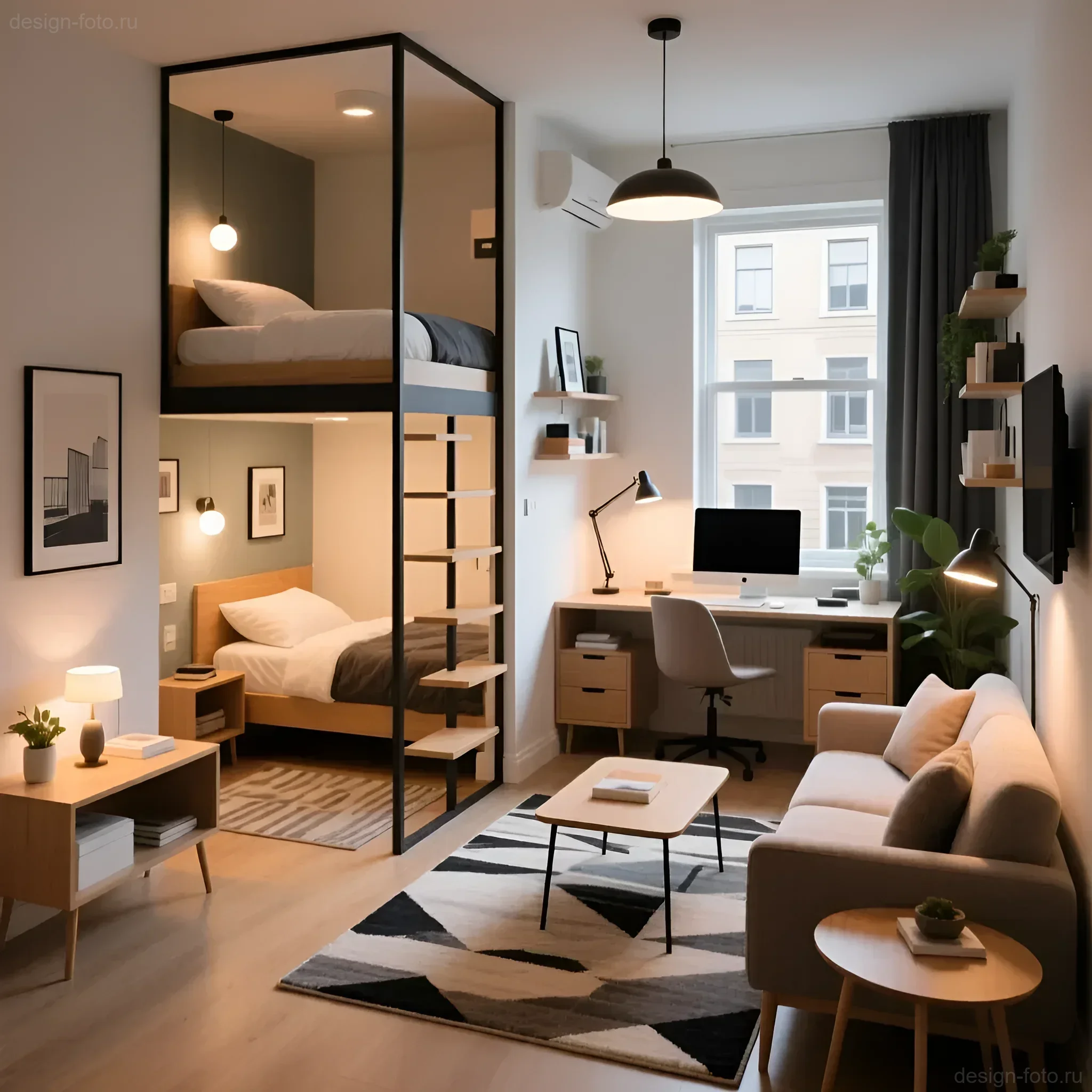
Renting a home often presents us with a dilemma: how to combine temporary living with the need for comfort, functionality, and personal space? The standard layout of rental apartments rarely suits our individual life scenarios, and major renovations are naturally prohibited by the lease agreement. The task of professional design in this case is to find the most effective, inexpensive, and, most importantly, completely reversible solutions for zoning.
How to Properly Plaster Walls for Painting: Perfect Smoothness
Greetings, dear friends and DIY enthusiasts! My name is [Ваше Имя/Псевдоним], and I’m delighted to welcome you to design-foto.ru. Today, we’ll delve into a seemingly simple yet incredibly important topic, without which it’s impossible to achieve a truly professional painting result on your walls. We’ll discuss how to properly plaster walls for painting to make them perfectly smooth, like silk. This is the foundation upon which all the future beauty of your interior rests. Many underestimate this stage, considering it routine and secondary, but believe my years of experience: it is thorough surface preparation that guarantees the final result will please you for years to come.