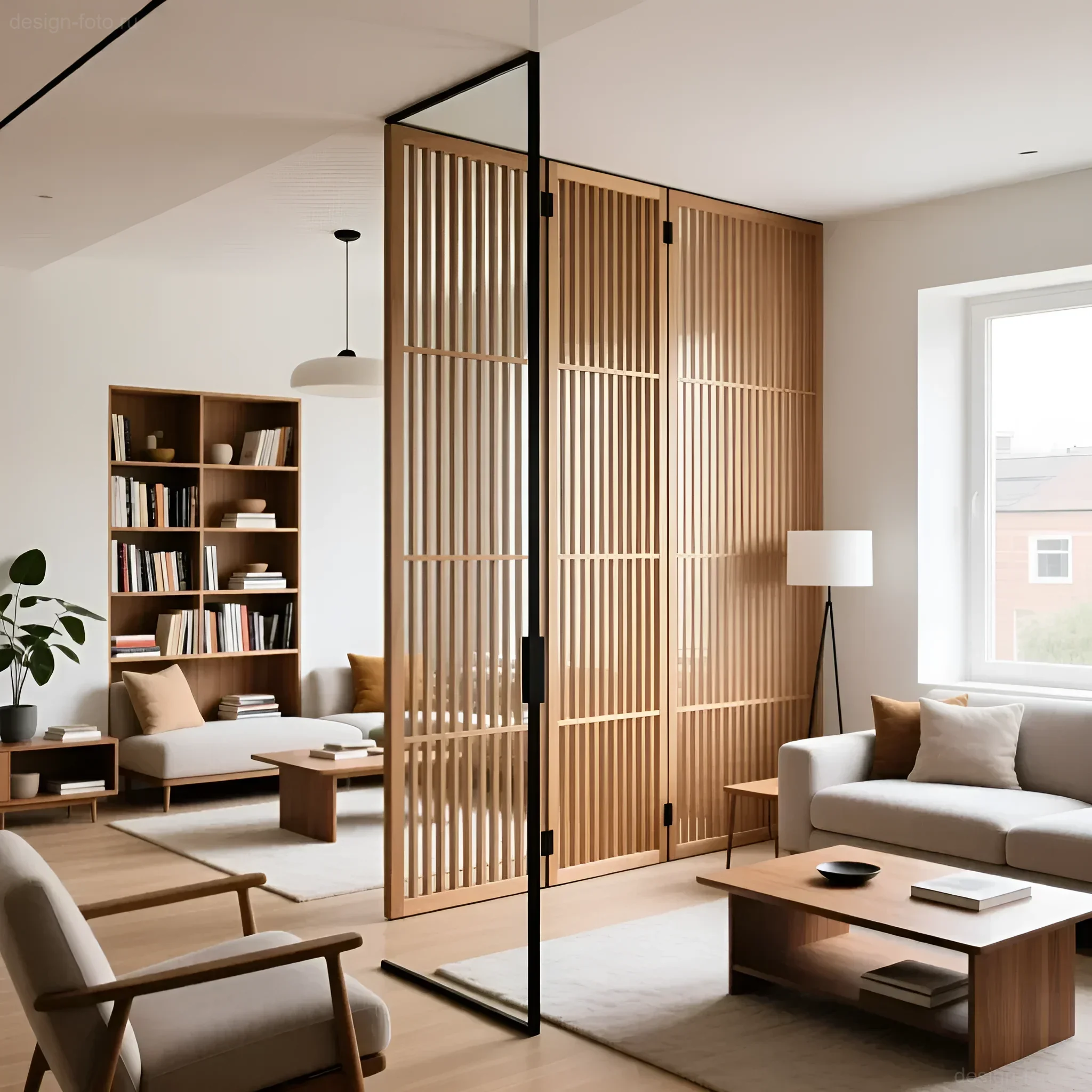
In the context of modern urban living, where every square meter must work as efficiently as possible, the concept of mobile living room zoning is becoming not just a trend, but a necessity. As professional designers and architects, we view the living room not as a static space, but as a dynamic platform capable of transforming to meet the immediate needs of its owners. The key tools for this transformation – screens, shelving, and curtains – allow for functional flexibility without major renovations or significant costs.
Using mobile partitions is a strategic decision for those who value ergonomics and adaptability. They provide the ability to easily divide a common space into private zones (a home office, a guest sleeping area) or, conversely, to combine it for large events. It is crucial to understand not only the aesthetic but also the technical aspects: material selection, load calculation, and compliance with lighting standards.
Mobile Living Room Zoning: Why Screens, Shelving, and Curtains Are Needed
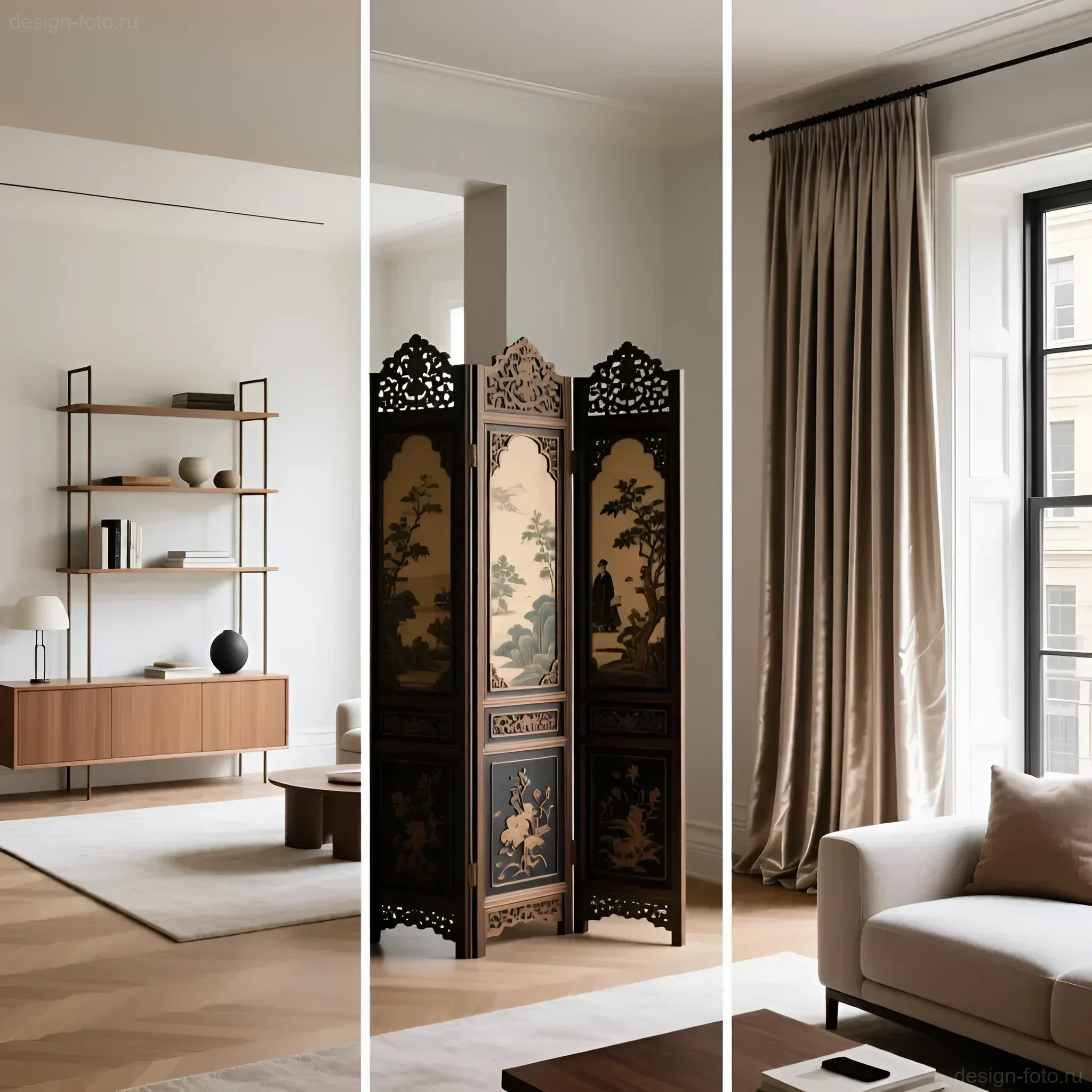
Mobile zoning is a system of temporary or easily movable space division. Unlike stationary partitions made of drywall or brick, these elements provide a high degree of interior adaptability. In a living room, which often serves as a dining room, office, or even a guest bedroom, flexibility is critical.
Advantages of Using Mobile Partitions:
- Dynamic Privacy: A screen or heavy curtain instantly creates a secluded area needed for video conferencing or sleep.
- Visual Relief: Shelving with closed sections helps to “hide” visual clutter associated with work processes or storage.
- Light Flow Regulation: Translucent screens or light curtains can gently diffuse natural light without completely blocking it, which is especially important in apartments with only one window.
- Resource Saving: This is the most budget-friendly and quickest way to change the functionality of a room without obtaining renovation permits.
Each of the three key zoning elements performs its specific task:
- Screens (Folding Screens): Ideal for creating an instant, but temporary, boundary. They require no fixing and fold easily. Optimal for separating a guest sleeping area or a dressing area.
- Shelving Units: Serve a dual function – zoning and storage. Open-back shelving units maintain a sense of a unified space, while solid models create a clearer boundary. The recommended depth for zoning shelving units is 30–35 cm to avoid obstructing passage.
- Curtains (Textiles): Provide the softest, most “airy” division. Used when you need to divide zones acoustically or visually while maintaining a sense of volume. Effective zoning requires a hidden ceiling curtain rod and heavy, well-draping fabrics.
Mobile Zoning Styles: How to Choose a Screen, Shelving Unit, or Curtains for Your Interior
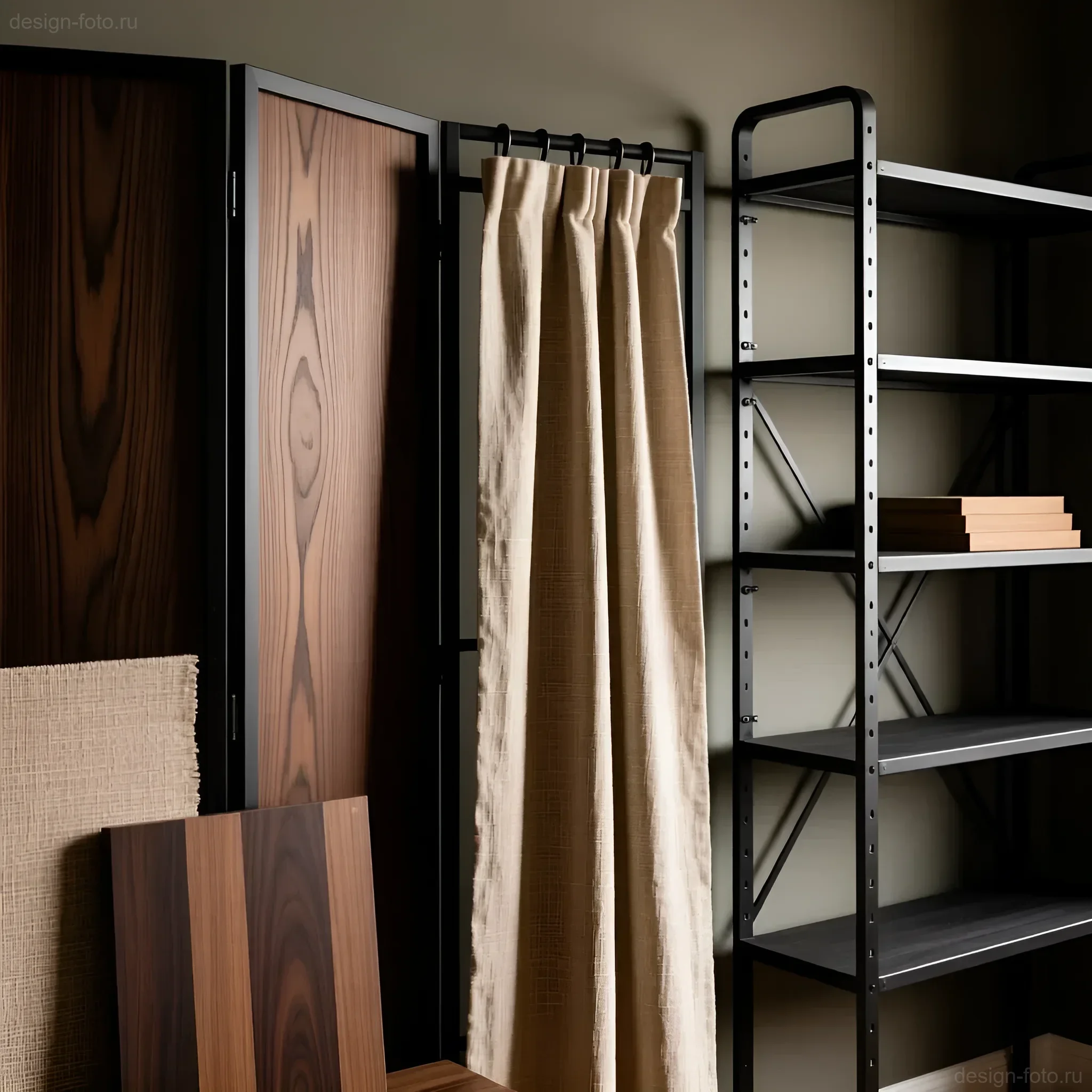
The choice of a zoning element should be dictated not only by functionality but also by stylistic harmony. An incorrectly chosen element can disrupt the entire interior composition.
Matching Styles and Mobile Elements:
- Scandinavian Style (Scandi): Requires maximum lightness and naturalness.
- Shelving Units: Open, light wood (bleached oak, ash) or white matte MDF. Must have open sections.
- Screens: Laconic, made of raw wood or with linen or cotton textile panels.
- Curtains: Transparent or semi-transparent, solid colors, in light pastel shades (grey, beige).
- Loft and Industrial: Involves rough textures, metal, and contrasting colors.
- Shelving Units: Metal frame (black, graphite) combined with shelves made of dark, aged wood. Shelving units on wheels are often used.
- Screens: Made of wrought iron, perforated sheet metal, or with steel pipe frames.
- Curtains: Heavy, dark, for example, made of dense velvet or canvas, mounted on black metal rails.
- Minimalism and High-Tech: Requires clean lines, lack of decoration, and monochrome solutions.
- Shelving Units: Built-in or modular systems without visible hardware. Glossy or matte surfaces, often with acrylic or glass inserts.
- Screens: Made of matte or tinted glass, or smooth composite panels.
- Curtains: Roller blinds or panel Japanese curtains that create a perfectly flat vertical surface.
- Classic and Art Deco: Demand luxury, symmetry, and rich textures.
- Shelving Units: Less commonly used for zoning, but if so, with decorative elements, carvings, or mirrored back panels.
- Screens: Multi-panel, upholstered in expensive fabrics (silk, velvet), often with inlay or mirrored panels.
- Curtains: Heavy drapes with lambrequins or tie-backs, on massive, decorative curtain rods.
Materials and Color Schemes for Mobile Partitions: From Wood to Textiles
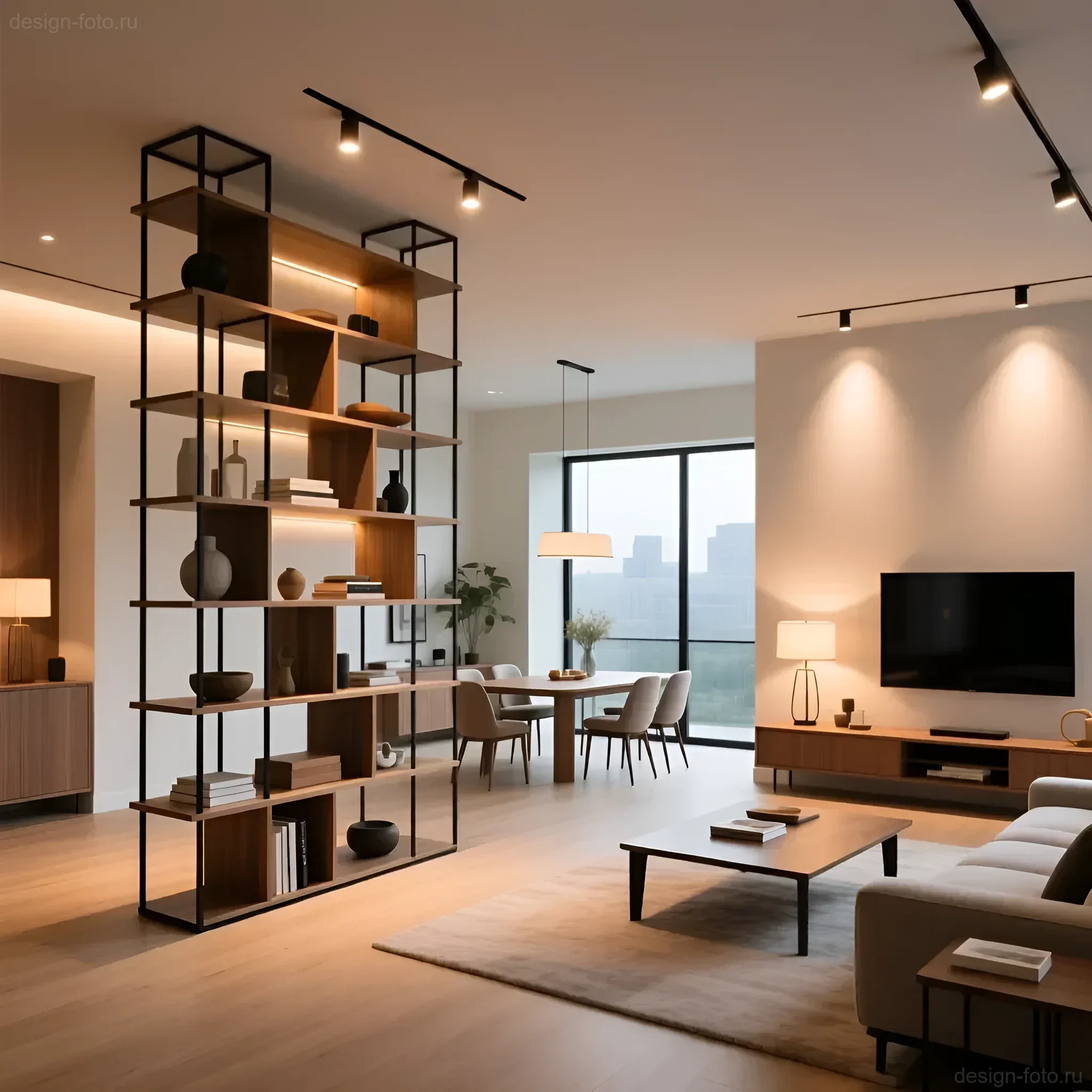
The choice of material directly affects the durability, sound insulation, and light transmission of the zoning element. A professional approach requires an analysis of operational characteristics.
Shelving Units: Choosing Structural Materials
For zoning shelving units, we recommend using materials capable of withstanding significant loads and ensuring structural stability. The optimal thickness for vertical posts and shelves made of particleboard or MDF is at least 18–25 mm. If the shelving unit is open-back, the edges should be well-edged (2 mm PVC).
- Solid Wood (Oak, Ash): High cost, but maximum durability and aesthetics. Ideal for classic or Mid-Century style.
- Veneered MDF: Excellent balance of price and quality. Lighter than solid wood, resistant to deformation.
- Metal (Steel, Aluminum): Used for frames in Loft style. Provides maximum visual lightness with high strength.
Screens: Functionality and Light Transmission
Screens can be solid or translucent. The choice depends on how much isolation is needed.
- Bamboo and Rattan: Eco-friendly, lightweight, provide good air circulation, but minimal sound insulation. Suitable for Boho or Eco styles.
- Perforated Panels (Carved MDF): Create an interesting light and shadow pattern, partially block the view, but allow light to pass through.
- Mirrored or Glass Panels: Mirrored screens visually expand the space but require careful maintenance. Frosted glass provides privacy while maintaining natural light.
Curtains: Density and Acoustics
Textiles are the most accessible and flexible option, but their effectiveness depends on the fabric density.
- Blackout: Completely blocks light and provides the best acoustic insulation among fabrics. Ideal for separating a guest bedroom. The fabric weight should be sufficient for even draping (minimum 300 g/m²).
- String or Bead Curtains (Kisei): A decorative element, minimally zoning, but effectively marking a boundary. Do not affect light flow.
- Linen/Cotton: Lightweight, allow light to pass through. Suitable for creating a soft, translucent barrier in Scandinavian or country interiors.
Optimal Living Room Layout with Mobile Zoning: Placement of Screens and Shelving Units
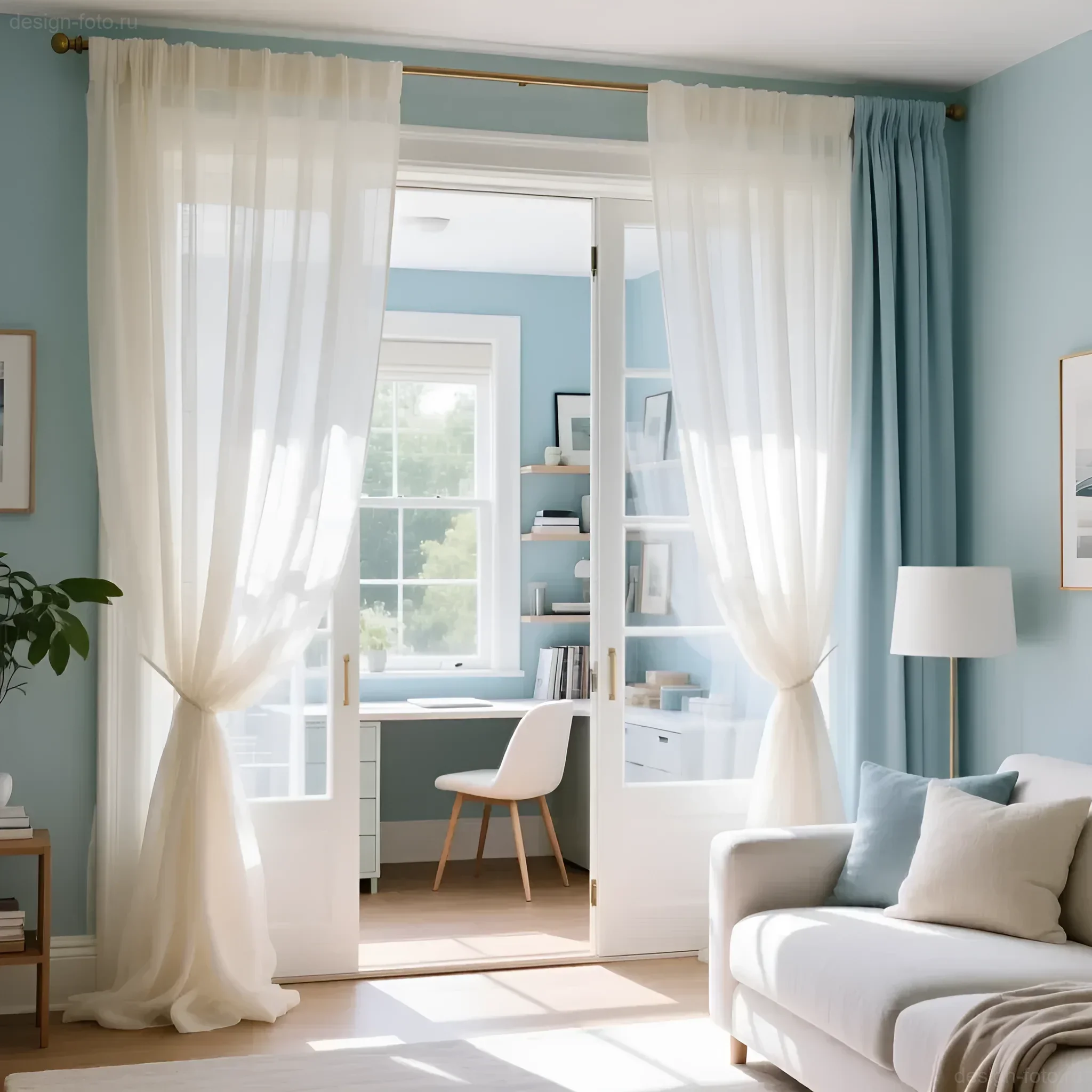
The key to successful mobile zoning is adherence to ergonomic norms and movement logic. A partition should not be placed in a way that disrupts main traffic paths or blocks the only light source.
Ergonomic Standards for Zoning:
- Passage Width: The minimum passage width in a living area, even with a mobile screen, should be 80 cm. If the area is very narrow (e.g., in a studio), 60 cm is permissible, but it will create discomfort.
- Shelving Unit Placement: A shelving unit should always be perpendicular to the window to avoid creating a long, dark “tunnel” deep into the room. If the shelving unit is parallel to the window, it should be open-back.
- “Work Triangle” Principle: If you are separating a workspace (office), ensure that the shelving unit does not impede access to outlets, the desk, and the chair. Desk depth (60–70 cm) + chair space (60–75 cm) + shelving unit (30–35 cm) is the minimum area that needs to be allocated.
- Fastening: Zoning a room with a shelving unit over 180 cm high without fastening it to the wall or floor (even if it’s mobile) is extremely dangerous. Use hidden anchors or cable systems to fasten to the ceiling.
Technical Aspects of Curtain Placement:
To create complete zoning with curtains, a ceiling curtain rod must be installed along the entire length of the divided zone. Ideally, it should be a hidden rod integrated into a stretch or drywall ceiling. This creates the effect of a “textile wall” emerging directly from the ceiling, visually increasing the room’s height.
- Rail Systems: If the room is large, use three-track rail systems to combine heavy drapes (for isolation) and light tulle (to mark the boundary).
- Minimum Clearance: The curtain rod should be set back from the wall by a distance sufficient for the fabric to move freely (usually 5–10 cm).
Practical Tips for Using Curtains and Screens for Flexible Spaces
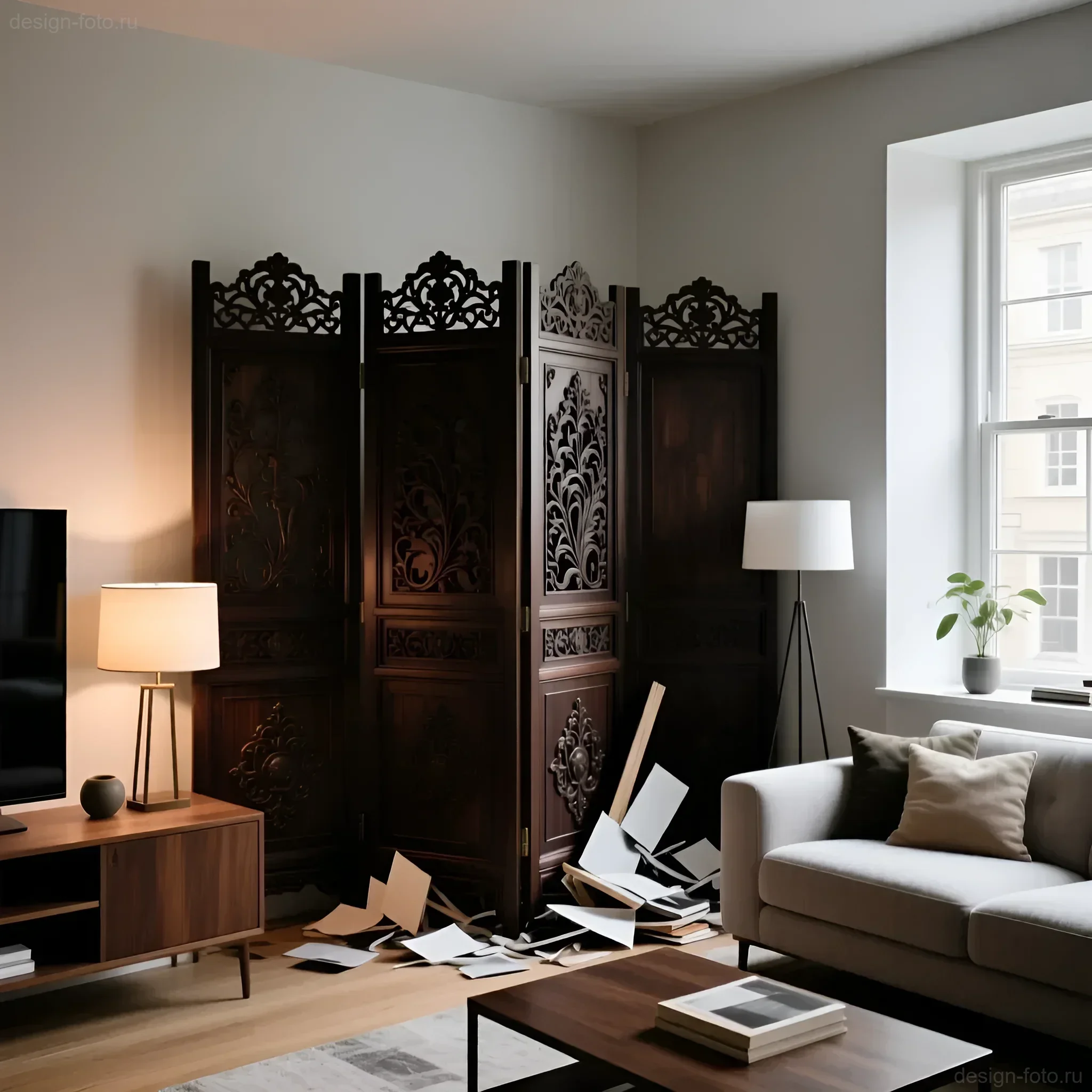
Mobile zoning requires not only the right choice but also smart use. Here are a few practical techniques we use in our projects.
1. Double-Sided Shelving and Multifunctionality
If a shelving unit is used as a divider between the living room and office, it should serve both zones. For example, sections facing the living room can be for decor or TV, while sections facing the office can be for storing documents and books. Use closed drawers and doors on the side requiring more tidiness (office).
2. Hidden Systems for Screens
Instead of classic folding screens, consider sliding systems that hide into a niche. This requires minor construction work (creating a false wall 10–15 cm thick), but the result is a completely clean space when zoning is not needed.
3. Acoustic Zoning with Textiles
To reduce noise transmission between zones (e.g., between the TV area and the work area), choose multi-layered curtains with lining. Fabrics with a dense pile (velvet, velour) have the best acoustic properties. Ensure the curtain reaches the floor to minimize sound “bridges.”
4. Using Light in Zoning
Integrate lighting directly into the zoning elements. In shelving units, use built-in LED shelf lighting, which not only illuminates the contents but also serves as an additional light source for the separated zone. In screens, you can use translucent inserts behind which thin light panels are placed.
Common Mistakes in Mobile Living Room Zoning and How to Avoid Them
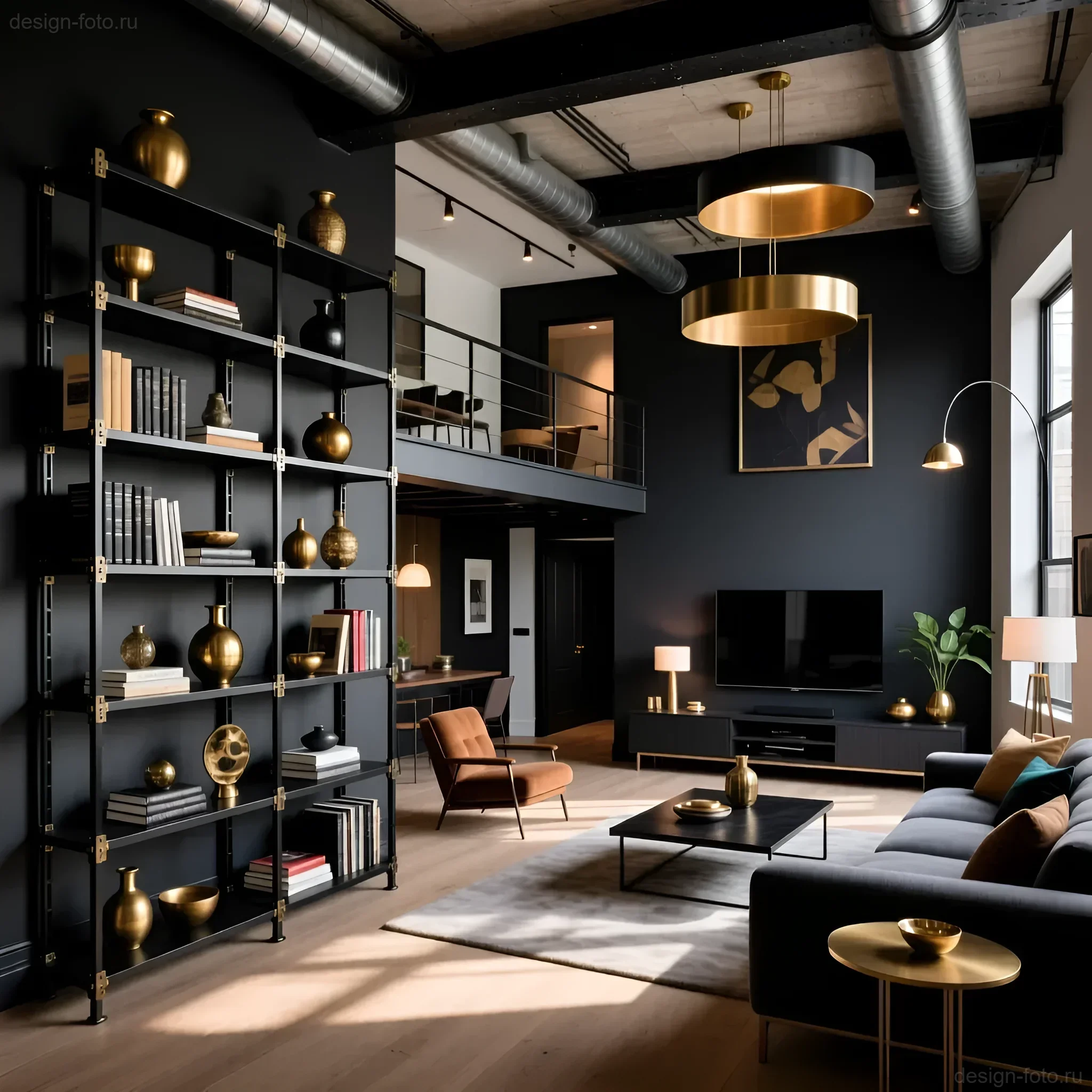
Even when using relatively simple elements like screens and curtains, mistakes can be made that negate all the benefits of a flexible space.
Mistake 1: Blocking Natural Light
Problem: Installing a solid shelving unit or a massive screen between the window and the rest of the room. This results in the separated zone becoming dark and unsuitable for prolonged stays.
Solution: Use maximally open-back shelving units (with a 60/40 empty-to-filled space ratio) or translucent materials (glass, perforated MDF, light textiles). If solid zoning is necessary, ensure adequate artificial lighting in the “dark” zone (at least 150 Lux).
Mistake 2: Incorrect Scale
Problem: Using a screen that is too small in a large living room or, conversely, a giant, deep shelving unit in a 25 m² studio.
Solution: The scale should be proportional to the area. In a small studio, a shelving unit should not exceed 30 cm in depth. A screen should be wide enough (at least 150–180 cm) to actually provide privacy, not just be a decorative element.
Mistake 3: Structural Instability
Problem: Tall shelving units standing freely, especially with children or pets. This is a direct safety hazard.
Solution: Any shelving unit exceeding 150 cm in height must be secured. Use hidden fastenings to the wall or ceiling. For screens, choose models with wide support legs or a reinforced metal frame.
Mistake 4: Ignoring Traffic Paths
Problem: Placing a zoning element in the path of main traffic (e.g., from the entrance to the kitchen or balcony), forcing residents to constantly navigate around an obstacle.
Solution: Design zoning so that it is adjacent to walls or located on the periphery, leaving the central axis of the room free for movement.
Inspiring Examples of Mobile Living Room Zoning with Screens and Shelving Units
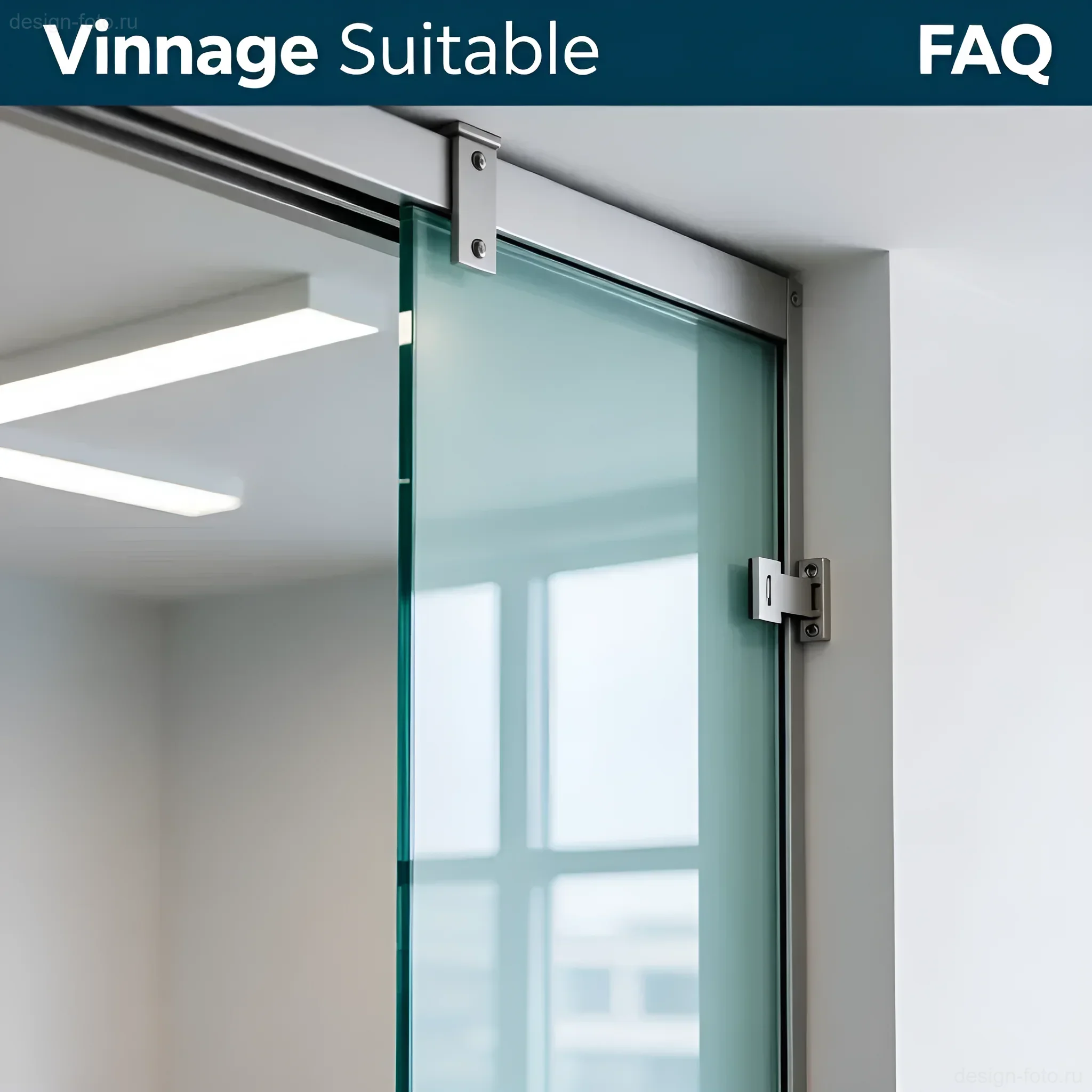
Let’s consider a few practical scenarios demonstrating the effectiveness of mobile zoning.
Scenario 1: Living Room + Office (40 m²)
Task: To separate the workspace from the relaxation area while maintaining a unified style and light.
- Solution: Use of an open-back cube shelving unit made of light wood (200 cm height, 120 cm width, 35 cm depth). The shelving unit is positioned so that it shields the computer monitor from direct view from the sofa area.
- Details: The lower sections of the shelving unit are closed with drawers for storing office equipment. The upper sections are open and filled with decor, allowing light to pass through.
Scenario 2: Studio + Guest Area (30 m²)
Task: To quickly create a private sleeping space for guests.
- Solution: Combination of a ceiling rail and a screen. A hidden ceiling curtain rod is installed along the sofa bed.
- Details: A heavy blackout curtain in grey is hung on the rod. Additionally, in the corner where the bed is located, a decorative screen made of carved MDF (180 cm height) is installed to create an additional visual barrier and gently diffuse light from the floor lamp.
Scenario 3: Kitchen-Living Room Zoning (50 m²)
Task: To separate the kitchen workspace from the living room during meals to hide clutter, but not completely close it off.
- Solution: Use of Japanese panel curtains. This is a system of wide, flat fabric panels that slide along a multi-track curtain rod.
- Details: Panels made of semi-transparent basketweave fabric were chosen. When slid closed, they completely cover the kitchen backsplash but still allow enough light to pass through so that the living room does not appear gloomy. The panels are easy to clean and have a minimalist look.
Frequently Asked Questions About Mobile Living Room Zoning
Q: How to care for natural wood screens to prevent them from deforming?
A: Wooden screens, especially near heat or moisture sources, require attention. We recommend using screens treated with polyurethane varnish or wax. Regularly wipe them with a dry or slightly damp cloth. Avoid direct contact with radiators to prevent drying out and cracking of the panels.
Q: Can shelving units be used for zoning in apartments with underfloor heating?
A: Yes, they can. However, if the shelving unit is tall and requires fastening, you **must not** use anchor fastening to the floor. In this case, you must use wall fastening (if the shelving unit is adjacent to the wall) or ceiling fastening (using cable systems or decorative metal brackets). Design the shelving unit on a wide, stable base to distribute the weight.
Q: What type of curtains is best for soundproofing?
A: The best choice is multi-layered heavy drapes. Use blackout fabric with an additional fleece or synthetic padding. It is important that the curtain is pleated (pleat ratio of 1:2 or 1:2.5), as pleats absorb sound better than a flat surface. Install the curtain rod as close to the ceiling and wall as possible to minimize gaps.
Q: Is it acceptable to use mobile zoning in a classic interior?
A: Absolutely. Mobile zoning is not limited to modern styles. In a classic interior, instead of simple shelving units, use display cabinets with carved elements and glass. Screens should be upholstered in expensive textiles (velvet, tapestry) and have decorative frames made of dark wood. Choose curtains made of heavy, richly draping fabrics with appropriate hardware (tassels, tie-backs).
Mobile zoning is a highly effective tool in the arsenal of a modern designer. With a competent approach and adherence to ergonomic norms, screens, shelving units, and curtains will transform your living room into a multifunctional, easily adaptable space that meets all the demands of dynamic life.
Рекомендуем:
 Budget Zoning: How to Create Comfort in a Rented Apartment Without Renovation
 Wall Cladding with Wood Paneling: A Step-by-Step Guide
 PVC Wall Panels: Cheap and Cheerful. Installation Guide
 MDF Panel Wall Finishing: Installation Guide
 Bedroom and Workspace Zoning: Comfort, Ergonomics, and Productivity
 Drywall Partitions for Zoning: Functionality, Installation, and Ergonomics
 Art Deco Colors: Black, Gold, Emerald, Burgundy – Luxury and Practical Tips for Your Interior
 How to Hang Vinyl Wallpaper on a Paper Backing?
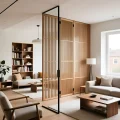 Zonage mobile : paravents, étagères et rideaux pour un salon flexible
 Nautical Style in Interior Design: How to Create a Coastal Atmosphere in a City Apartment
 Which Tile to Choose for a Small Bathroom: Color, Size, Texture, and Space-Expanding Secrets
 Interior Design and Pets: How to Combine Aesthetics and Pet Comfort
 Minimalism in Interior Design: The Secret to Style, Ergonomics, and the Line Between Emptiness
 How many rolls of wallpaper do you need for a room? A simple way to know in advance
 How to Maintain Perfect Order in a Minimalist Interior: A Practical Guide
 Art Deco Mirrors: Geometry and Luxury That Transform Interiors
 The Ideal Mattress in Ukraine: Choosing with mebeltops for Healthy Sleep
 10 современных тенденций в дизайне интерьера: создаем стиль и комфорт
 How to Make a Brick Wall in an Interior (Imitation)
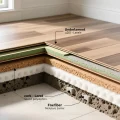 Laminate Underlay: Cork, Coniferous, or Polystyrene – Detailed Analysis and Choice