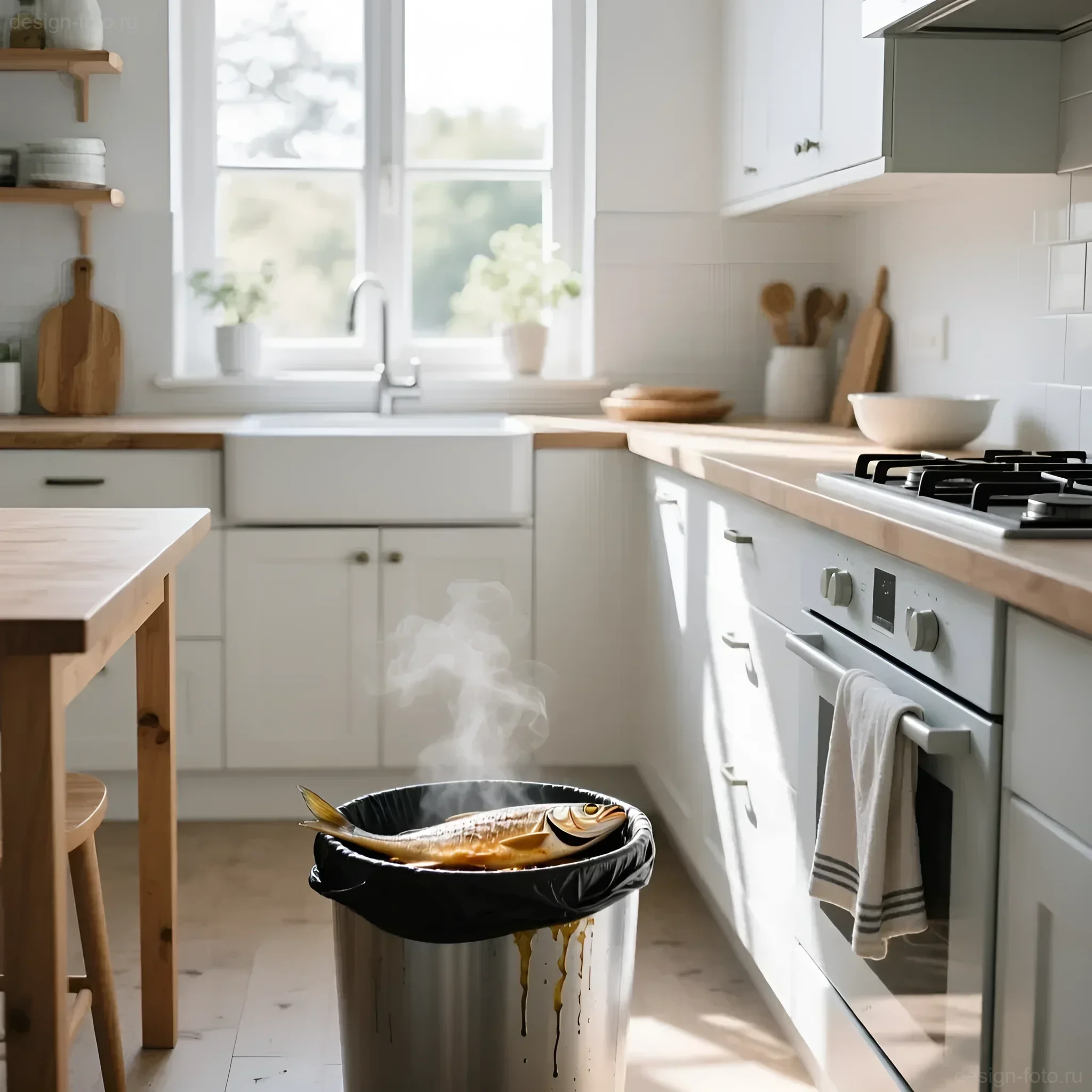
High-quality interior design is not just about visual aesthetics, but primarily about functionality and comfort. In this equation, one of the most underestimated yet critically important elements is air quality. A perfectly designed space filled with unpleasant odors instantly loses its value. As professionals, we approach this problem not from the perspective of masking, but from the standpoint of engineering and hygienic solutions. Eliminating unwanted aromas is a matter of identifying the source, not just buying an air freshener.
Unpleasant Odors in an Apartment: Causes and How to Get Rid of Them
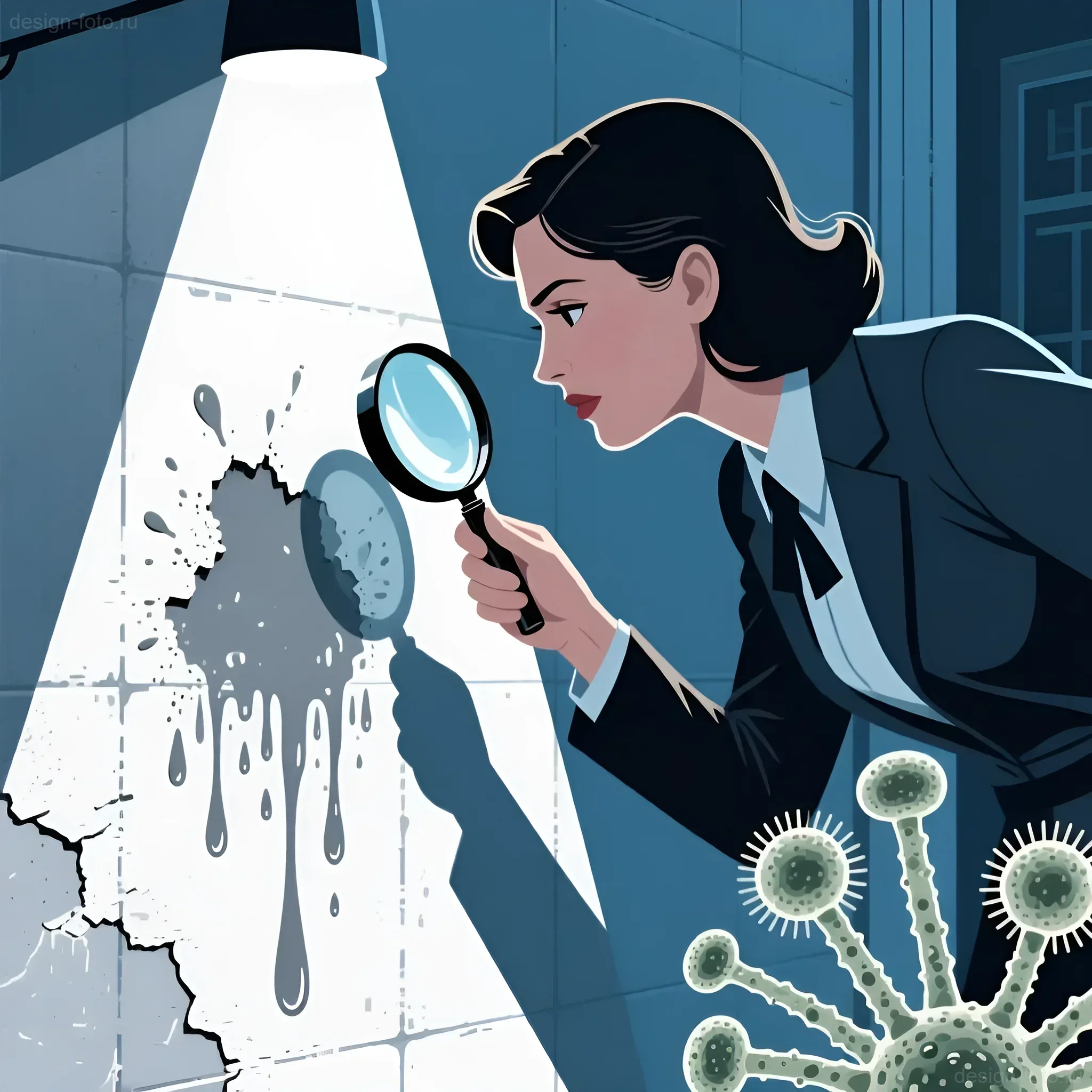
Before you start fighting, you need to understand that an odor is always a consequence, not a cause. In residential premises, odor sources can be divided into three main categories: household, technical, and biological.
- Household sources: Stale food, garbage bins, overflowing ashtrays, pet odors, old or damp clothes. These problems are solved by regular cleaning and improved storage organization.
- Technical sources: Malfunctions in the ventilation system, backdraft, problems with sewage traps (siphons), gas leaks (require immediate intervention by emergency services), odors from new building materials (phenol, formaldehyde).
- Biological sources: Mold and mildew (most often in bathrooms or corners with poor insulation), decaying organic matter (e.g., under floors or in wall cavities), odors from insect or rodent activity.
Expert approach: We always start by checking the engineering systems. If the odor appears periodically or intensifies when the exhaust fan is turned on, it’s a clear sign of problems with ventilation or sewage. If the odor is persistent and doesn’t disappear after airing, look for a hidden source – moisture or mold.
Sources of Unpleasant Odors in an Apartment: Identifying the Root of the Problem
Detailed diagnostics are critically important. A designer or contractor working on a project should be aware of potential “odor traps,” especially in older buildings or with low-quality renovations.
Ventilation and Air Exchange Problems
In modern airtight apartments (with plastic windows and tight doors), natural ventilation is often compromised. Check the draft in the ventilation shafts (hold a thin sheet of paper to it). If there is no draft or it’s reversed (the paper is pushed away), it means odors from the building’s main stack or from neighbors are entering your apartment. The solution is to install a forced ventilation system with a check valve or to install supply air valves (KIV) on windows/walls to ensure air intake.
Sewage Siphons and Water Seals
The smell of hydrogen sulfide (sewage) almost always indicates a dried-out or faulty water seal (a water plug in the S-shaped bend of the siphon). This can happen if the plumbing hasn’t been used for a long time (e.g., in a guest bathroom) or if the siphon was installed incorrectly (insufficient bend). Regularly pour water into rarely used drains.
Hidden Mold and Dampness
The smell of dampness, mustiness, or “earth” is a sure sign of mold growth. Look for it behind furniture, under baseboards, in corners with cold bridges or leaks. In such cases, not just treatment, but elimination of the cause of moisture (waterproofing, insulation) is required.
Effective Means for Eliminating Odors: Review and Comparison
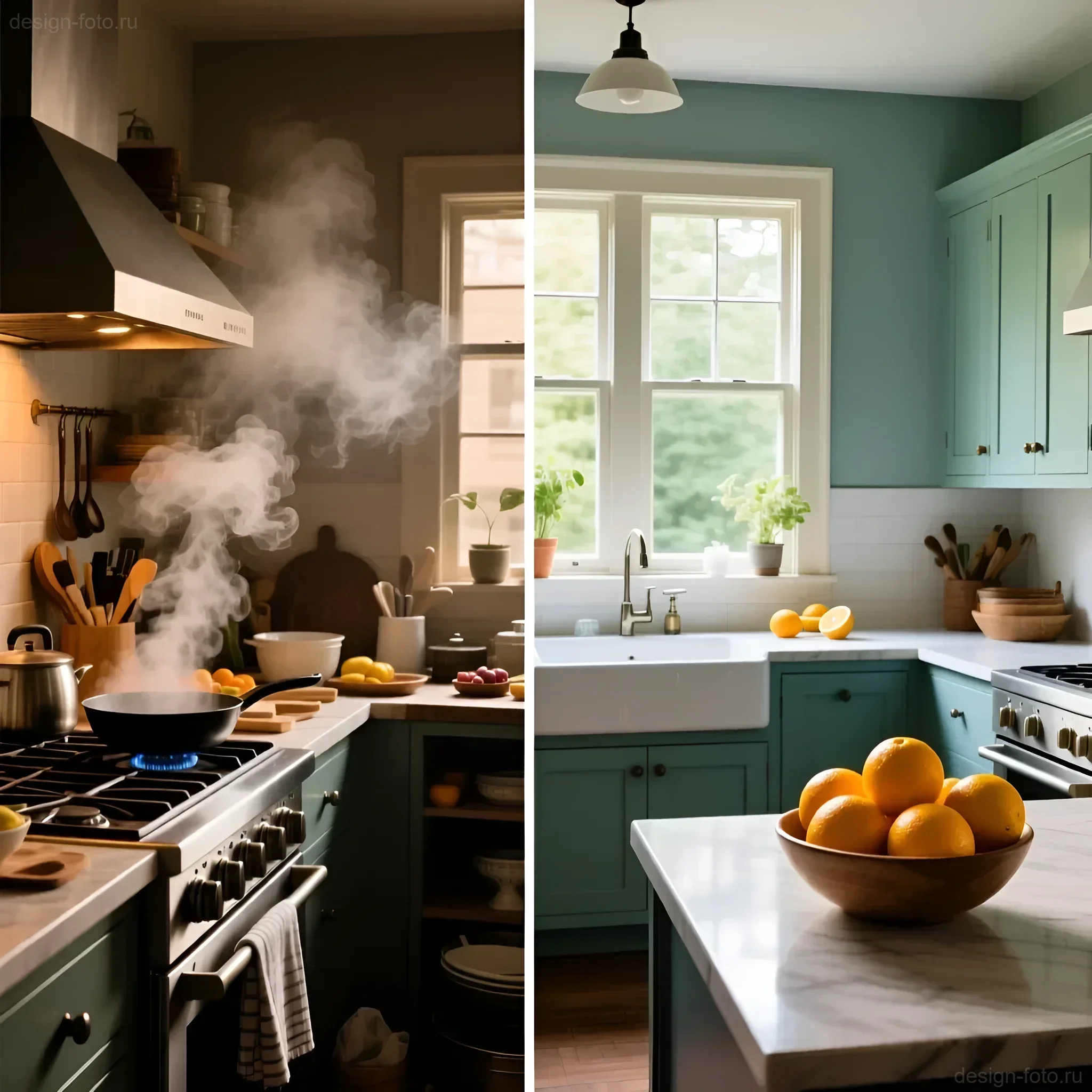
Once the source of the odor is found and eliminated (e.g., you’ve cleaned the siphon or washed the refrigerator), you need to neutralize the residual molecules in the air and on surfaces. We strongly advise against using only masking aerosols.
- Absorbents:
- Activated or charcoal: Has a highly porous structure, effectively absorbs odors. Ideal for refrigerators, cabinets, pantries. A long-term, safe solution.
- Zeolite: A natural mineral, often used in industrial filters. Effective for removing ammonia and moisture odors.
- Baking soda (sodium bicarbonate): Excellent at neutralizing acidic and alkaline odors. Suitable for cleaning carpets and upholstery.
- Neutralizers (Enzymatic agents):
- These agents contain live enzymes that break down organic odor molecules (pet urine, vomit, decay). They don’t mask but destroy the odor source at a molecular level. Essential for pet owners.
- Technological solutions:
- Ozonators: Used for deep disinfection and removal of stubborn odors (after fires, cigarette smoke). Important: the room must be empty during ozonation, as ozone in high concentrations is dangerous to health.
- Air purifiers with HEPA and carbon filters: Continuously circulate air, capturing particulate matter and adsorbing gaseous pollutants.
Eliminating Odors in Different Rooms: Kitchen, Bathroom, Living Room, Bedroom
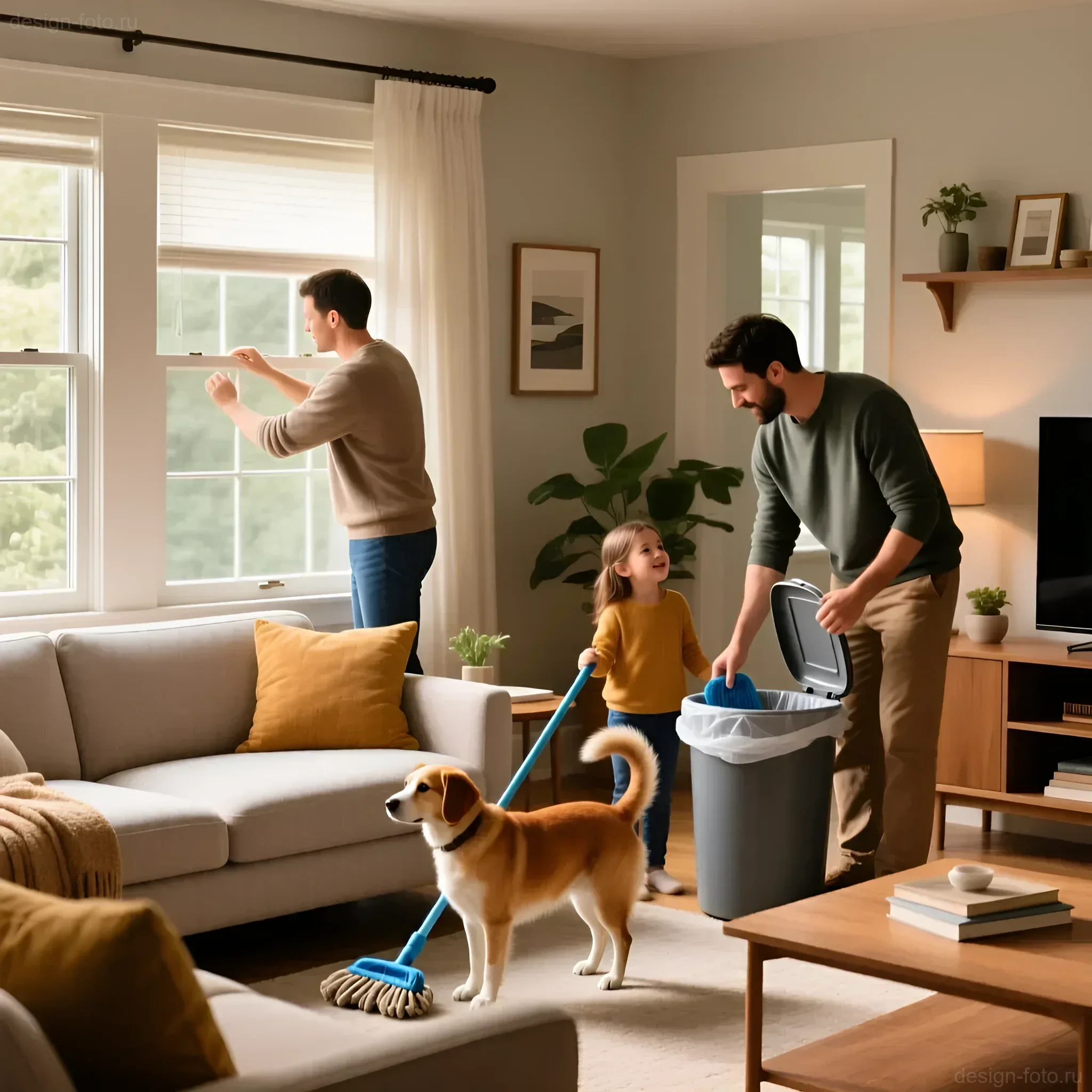
Kitchen: High-Risk Zone
The kitchen is the champion of odor generation. Food aromas, decay, and grease odors mix here.
- Exhaust system: Ensure the hood’s power is adequate for the kitchen’s volume (at least 10–12 air changes per hour). Regularly clean the grease filters (usually once a month).
- Trash can: Use containers with tightly fitting lids. For organic waste, consider installing a garbage disposal (waste grinder) in the sink.
- Refrigerator and freezer: Regular defrosting and cleaning. Place an open box of baking soda or a special gel absorber inside.
- Microwave/Oven: Burnt grease is a persistent odor source. Clean them immediately. To neutralize odors inside the oven, boil water with lemon in it.
Bathroom: Fighting Dampness and Sewage Odors
The main enemies here are mold and plumbing issues.
- Ventilation: Install a forced fan with a timer or humidity sensor. The fan should run not only during showers but also for another 15–20 minutes afterward.
- Sealing: Check the integrity of the silicone sealant around the bathtub and shower stall. Damaged sealant is an ideal breeding ground for mold.
- Drains: Regularly clean drains with special products to prevent the buildup of hair and soap scum, which begins to rot.
Living Room and Bedroom: Textiles and Furniture
In these areas, odors are absorbed by upholstery, carpets, and curtains.
- Dry cleaning: Have carpets and upholstered furniture professionally dry-cleaned at least once a year.
- Bedding: Regularly air out mattresses and pillows. Use protective covers.
- Tobacco: If smoking has occurred in the room, comprehensive treatment of all surfaces, including walls, ceiling, and replacement of textiles, is necessary, as nicotine resins penetrate deeply.
Preventing Unpleasant Odors: Simple Daily Habits

Prevention is always cheaper and easier than dealing with the consequences. These rules should become part of your operational procedures.
- Humidity control: Maintain relative humidity between 40–60%. Use humidifiers in winter, and dehumidifiers or air conditioners in summer. Excessive humidity is a direct path to mold.
- Daily airing: Even in winter, open windows for 5–10 minutes, creating a cross-breeze. This is critically important for air renewal.
- Trash can inspection: Take out the trash daily, especially organic waste. If you practice separate waste collection, wash the containers regularly.
- Cleaning household appliances: Regularly wipe the refrigerator seals and the washing machine door (residual water and detergent in the rubber folds cause a strong musty smell). Run the washing machine empty with citric acid to clean the drum from scale and mold.
- Pet care: Wash litter boxes and pet beds daily. Use special absorbent fillers, not masking fragrances.
Folk Remedies Against Odors in the Apartment: Proven Recipes
While professional chemicals are needed for complex cases, natural and accessible remedies are excellent for quick neutralization and daily freshness.
- Vinegar (White distilled):
- Application: Vinegar is an excellent disinfectant and neutralizer. To remove stubborn odors (e.g., after renovation or cooking fish), boil water in a pot with 100 ml of vinegar added. The vinegar steam absorbs odors.
- For cleaning: Use a solution of vinegar and water (1:1) to wipe kitchen surfaces and the inside of the refrigerator.
- Lemon and citrus fruits:
- Application: Run lemon slices through the garbage disposal or use the zest as a natural air freshener. Citric acid also effectively removes scale and neutralizes odors in the dishwasher.
- Coffee (Ground or beans):
- Application: Coffee has powerful absorbent properties and a pleasant aroma. Place small containers with dry ground coffee in places where you need to remove odors (e.g., in a shoe cabinet or near the trash can).
- Baking soda and essential oils:
- Application: Mix baking soda with a few drops of your favorite essential oil (e.g., tea tree, lavender, or eucalyptus). Use this mixture as a dry deodorizer for carpets: sprinkle, leave for 30 minutes, and vacuum.
Common Mistakes in Fighting Odors and How to Avoid Them
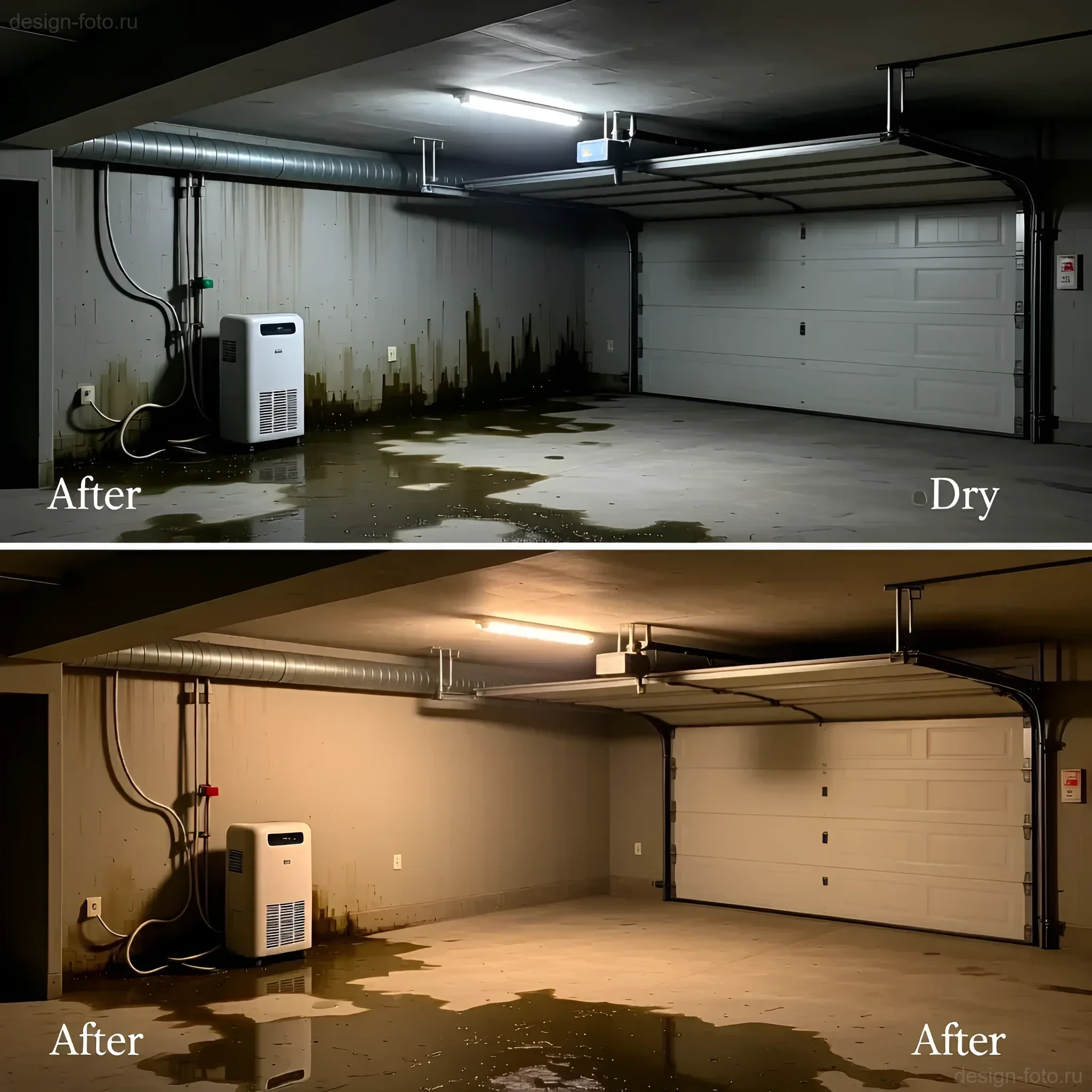
Many homeowners waste time and money on ineffective methods that don’t solve the problem but only mask it.
Mistake #1: Masking Instead of Neutralizing
Essence: Using strong-smelling sprays, scented candles, or diffusers in the hope of “overpowering” the odor. This leads to the creation of a more complex, heavy, and often allergenic “cocktail” of smells.
How to avoid: Always find and eliminate the source. Masking is acceptable only after the room has been completely cleaned, as a light aroma.
Mistake #2: Ignoring Textiles and Porous Materials
Essence: Odors are absorbed into upholstery, curtains, wallpaper, and even plaster. If the source is eliminated, but the room continues to smell, it means odor molecules remain in the porous materials.
How to avoid: For severe contamination (e.g., from tobacco smoke or pet odors), professional steam cleaning or enzymatic cleaners may be required, and in extreme cases, replacement of contaminated finishing materials.
Mistake #3: Incorrect Diagnosis of Sewage Problems
Essence: Attempting to pour chemicals down the drain when the problem lies in a faulty ventilation of the sewage stack or incorrect pipe slope. Chemicals may temporarily clear a blockage but won’t solve the issue of a drying water seal or backdraft.
How to avoid: If the sewage odor is persistent, call a plumber to check the operation of siphons, traps, and the vent pipe.
Examples of Comprehensive Solutions: Getting Rid of Stubborn Odors

When dealing with properties that require the removal of stubborn, ingrained odors (e.g., from previous tenants, smokers, or long periods of disuse), a comprehensive protocol is applied.
Case Study: Removing Odor After Tobacco Smoke
- Stage 1: Demolition. Removal of all porous materials that cannot be cleaned: wallpaper, carpets, curtains, possibly the top layer of plaster.
- Stage 2: Surface Treatment. All walls, ceiling, and floor are treated with a special odor neutralizer (often enzyme-based or industrial alcohol).
- Stage 3: Ozonation. Professional treatment of the premises with a high-power ozonator (at least 2 sessions of 4–6 hours each). Ozone penetrates all crevices and neutralizes organic molecules.
- Stage 4: Sealing. Priming all surfaces with special blocking primers that prevent residual odors from escaping from deep layers of concrete or wood.
- Stage 5: Ventilation. Installation or inspection of a forced supply-exhaust ventilation system.
Case Study: Eliminating Mold Odor in the Bathroom
- Stage 1: Identifying the moisture source. Checking waterproofing, joints, pipes. Eliminating leaks.
- Stage 2: Mold removal. Physical removal of affected materials (replacing sealant, cleaning grout, possibly removing some tiles). Treatment with antifungal agents (fungicides).
- Stage 3: Drying. Using heat guns or industrial dehumidifiers to reduce room humidity to normal levels.
- Stage 4: Improving air exchange. Installing a powerful exhaust fan set to automatically turn on when humidity rises above 65%.
FAQ: Answering the Most Popular Questions About Odors in an Apartment

1. Does aromatherapy help to completely get rid of odors?
Answer: No. Aromatherapy and the use of essential oils are purely for masking and creating ambiance. They can be used for prevention and to create a pleasant background, but they will never replace eliminating the odor source.
2. How often should a sofa be cleaned so it doesn’t smell?
Answer: If you don’t have pets and don’t smoke, a deep dry cleaning once every 12–18 months is sufficient. If you have pets or small children, clean every 6–8 months. Weekly, use a vacuum cleaner with an upholstery attachment and, if necessary, an enzymatic spray for localized stains.
3. What to do if there’s a “new furniture” or “new renovation” smell?
Answer: This smell is often caused by volatile organic compounds (VOCs), such as formaldehyde, released from particleboard, varnishes, paints, and adhesives. In the first few weeks, ensure maximum ventilation. Choose furniture and finishing materials with low VOC content (E0 or E1 labeling) and safety certificates.
4. Can bleach be used to remove mold odor?
Answer: Bleach (sodium hypochlorite) is very effective on non-porous surfaces (tiles, glass). However, if mold has penetrated deep into a porous material (drywall, wood), bleach will only kill the surface layer, and the water from the solution will soak in, which can provoke new mold growth. For deep penetration, it’s better to use specialized fungicides or vinegar.
Interesting Facts About Odors and Their Impact on Our Well-being
The sense of smell is one of our most powerful senses, directly connected to the limbic system of the brain, which is responsible for emotions, memory, and motivation. Thus, the quality of air in your home directly affects your psychological and physical state.
- Impact on health: Constantly inhaling odors of decay, mold, or VOCs (from low-quality furniture) can cause chronic headaches, allergic reactions, and fatigue. Unpleasant odors signal an unhealthy microclimate.
- Olfactory adaptation: Humans quickly adapt to constant odors in their homes (olfactory fatigue phenomenon). You may not notice a slight musty smell, but guests will notice it immediately. This makes regular checks and prevention even more important.
- Aroma design: Modern functional design uses the concept of “aroma marketing” or “aroma design” for living spaces. For example, citrus scents (lemon, grapefruit) enhance concentration and alertness (ideal for home offices), while lavender and chamomile promote relaxation (for bedrooms).
Remember that clean, neutral air is the foundation of a healthy and comfortable living space. Approach odor elimination as an engineering task, and your interior will always be pleasing not only to the eye but also to the sense of smell.
Рекомендуем:
 What to do if mold or mildew appears on the walls?
 Joint filler for tiles: how to choose the color and apply it correctly
Grout for tiles: how to choose the color and apply it correctly
Joint filler for tiles: how to choose the color and apply it correctly
Grout for tiles: how to choose the color and apply it correctly
 Internal Wall Insulation: Materials and Technology
 Washable wallpaper for the kitchen: why it’s the best idea for your renovation?
 How to Tile Walls in a Bathroom: A Detailed Guide
 How to Hang Vinyl Wallpaper on a Paper Backing?
 Liquid Wallpaper: Pros, Cons, and Application Technology
 Bathroom: Tile or Paint. What Will Everyone Face?
 DIY Decorative Stone Wall Installation: Your Guide to Home Transformation
 Wall Cladding with Wood Paneling: A Step-by-Step Guide
 Comment se débarrasser des mauvaises odeurs dans un appartement : Guide expert pour l’élimination et la prévention
 PVC Wall Panels: Cheap and Cheerful. Installation Guide
 How to Update Old Tiles Without Removing Them: 99 Ways to Transform Your Bathroom and Kitchen
 How to Hang Wallpaper Without Seams: The Technique for Perfect Joints
 The Ideal Mattress in Ukraine: Choosing with mebeltops for Healthy Sleep
 How to Wallpaper Behind a Radiator
 Priming Walls Before Wallpapering and Painting: The Ideal Foundation for Renovation
 MDF Panel Wall Finishing: Installation Guide
 Betonokontakt: A Comprehensive Guide to Application for Perfect Renovation